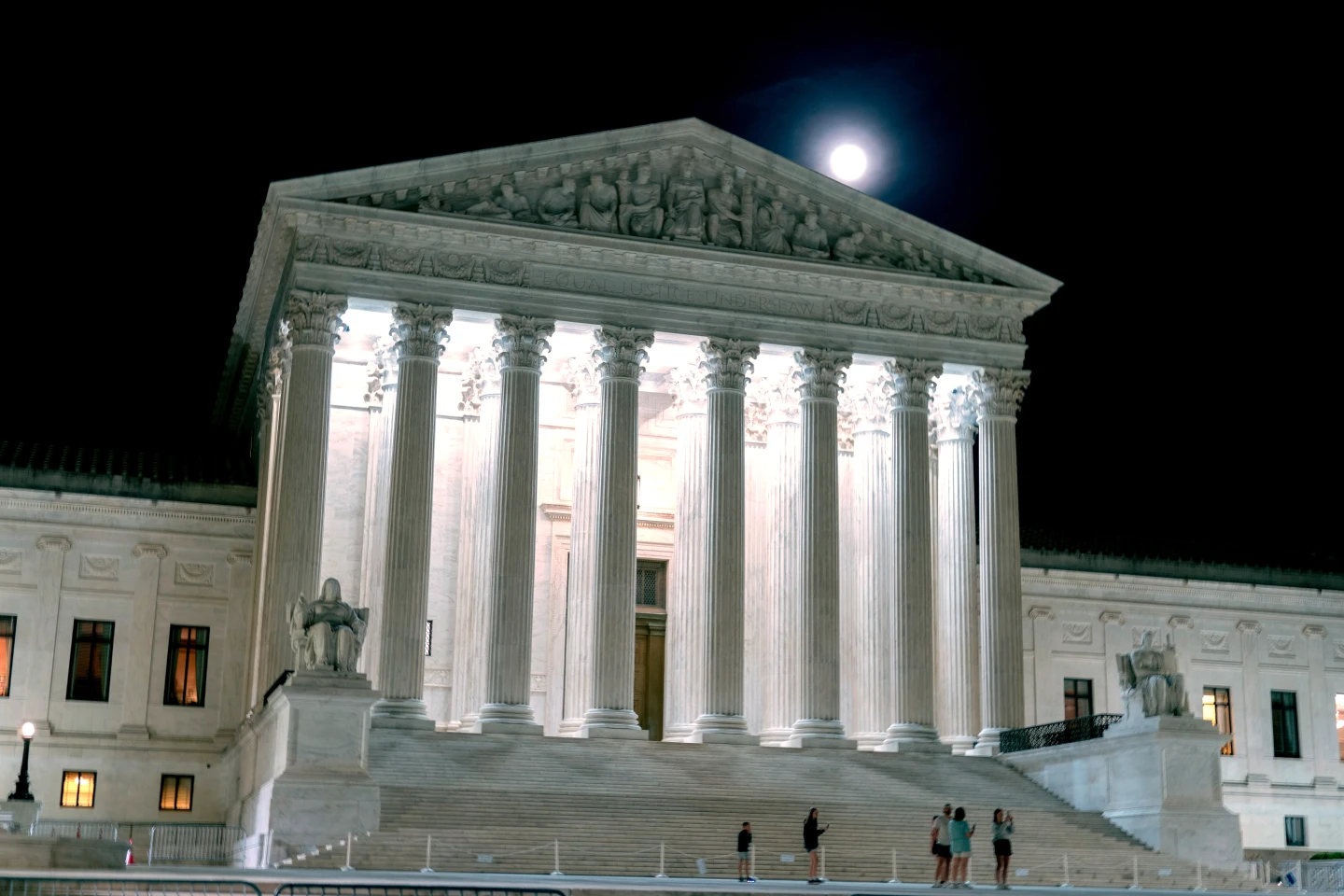
WASHINGTON (AP) — The Supreme Court is set to hear arguments today concerning state laws that ban transgender girls and women from participating in school athletic teams.
Following lower court decisions that upheld the rights of transgender athletes in Idaho and West Virginia, the conservative-majority Supreme Court's stance remains uncertain.
Over the past year, the Court has frequently favored state restrictions related to transgender individuals, including bans on gender-affirming care for minors and various other restrictions.
The ongoing legal conflict emerges against the backdrop of President Donald Trump's broader campaign to impose regulations against transgender Americans, which began in his administration's outset. This includes actions such as barring transgender individuals from military service and reaffirming that gender is established at birth.
Legal disputes from Idaho and West Virginia represent some of the initial challenges among many Republican-led states implementing bans on transgender athletes in women's sports.
Arguments will assess claims of sex discrimination made by transgender individuals against the rationale of maintaining fair competition for female athletes raised by the states involved.
Lindsay Hecox, a 25-year-old, has brought suit over Idaho’s unique ban to gain eligibility for women’s track teams at Boise State University, although she did not secure a spot on either team.
In West Virginia, Becky Pepper-Jackson, a 15-year-old sophomore, has undergone puberty-blocking treatment and currently identifies as female, earning a birth certificate that reflects her gender identity. She is the sole transgender individual attempting to compete in women's sports in the state.
Prominent female athletes are split, with some, including Martina Navratilova and Kerri Walsh-Jennings, supporting the bans, while others such as Megan Rapinoe and Breanna Stewart advocate for transgender athletes.
The justices will deliberate on whether these sports bans infringe upon the Constitution or violate Title IX, the federal law which forbids sex discrimination in education.
In a significant 2020 ruling, the Supreme Court affirmed protections for LGBTQ individuals against employment discrimination in light of federal civil rights law. However, last year, the conservative justices declined a similar application regarding bans on gender-affirming care for transgender minors.
While states supporting these bans argue against extending workplace discrimination findings to Title IX protections, advocacy teams for Pepper-Jackson argue she deserves protection from discrimination due to her early transition.
The American public largely supports restrictions, with a recent poll indicating approximately 60% favoring the requirement for transgender youth to compete according to the sex assigned at birth.
The Court's ruling is anticipated by early summer, further influencing the landscape of transgender rights in competitive sports.