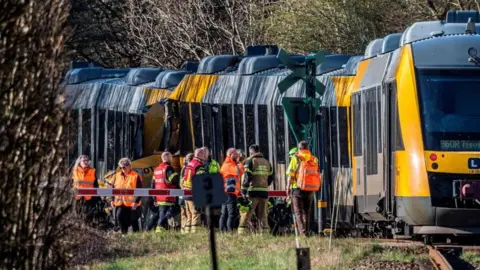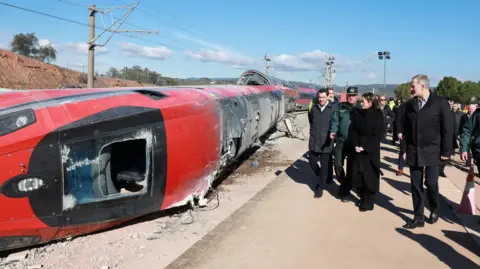
On January 18, 2026, a high-speed train crash in southern Spain marked one of the worst rail disasters in the country, resulting in the tragic loss of at least 42 lives. As the nation mourns, questions arise regarding how such a failure could occur on a rail system renowned for its safety and efficiency.
According to investigators from the CIAF rail commission, a train traveling north from Málaga was derailed on a straight segment of track, colliding with an oncoming train. The Spanish government characterized the accident as extremely strange, given the historical reliability of the AVE network established in the early 1990s.
Recovery efforts on January 20 revealed three additional bodies amongst the wreckage, as King Felipe and Queen Letizia of Spain visited the crash site to pay their respects.
Despite early investigations dismissing human error and sabotage, attention is gradually shifting to the integrity of the tracks. Speculation has intensified surrounding a broken track at the incident site—a possible failing in a system that has drawn scrutiny for reported maintenance issues in the past year.
Rail infrastructure administrator Adif had recently raised concerns on social media about several technical aspects of the line, leading to further investigations focused on the equipment and structural health of the network. Key figures, including Transport Minister Óscar Puente, indicated that the condition of the train's carriages, particularly the first to derail, would be rigorously examined.
Amidst this investigation, the AVE network, backed by significant EU investment, faces mounting calls for a thorough overhaul. The government has pledged transparency as it seeks answers for not just the victims' families but the entire nation. As Prime Minister Pedro Sánchez stated, clear answers will be forthcoming, critical for the future of Spain's rail system.