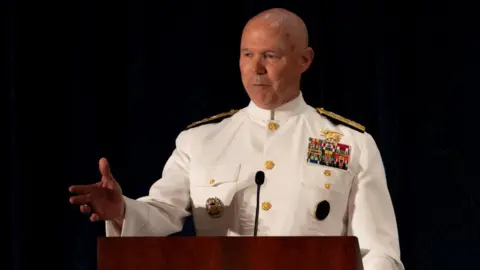
A US Navy admiral testified that Defence Secretary Pete Hegseth did not give the order to kill them all during a controversial second US military strike on an alleged drug boat in the Caribbean, multiple lawmakers have said.
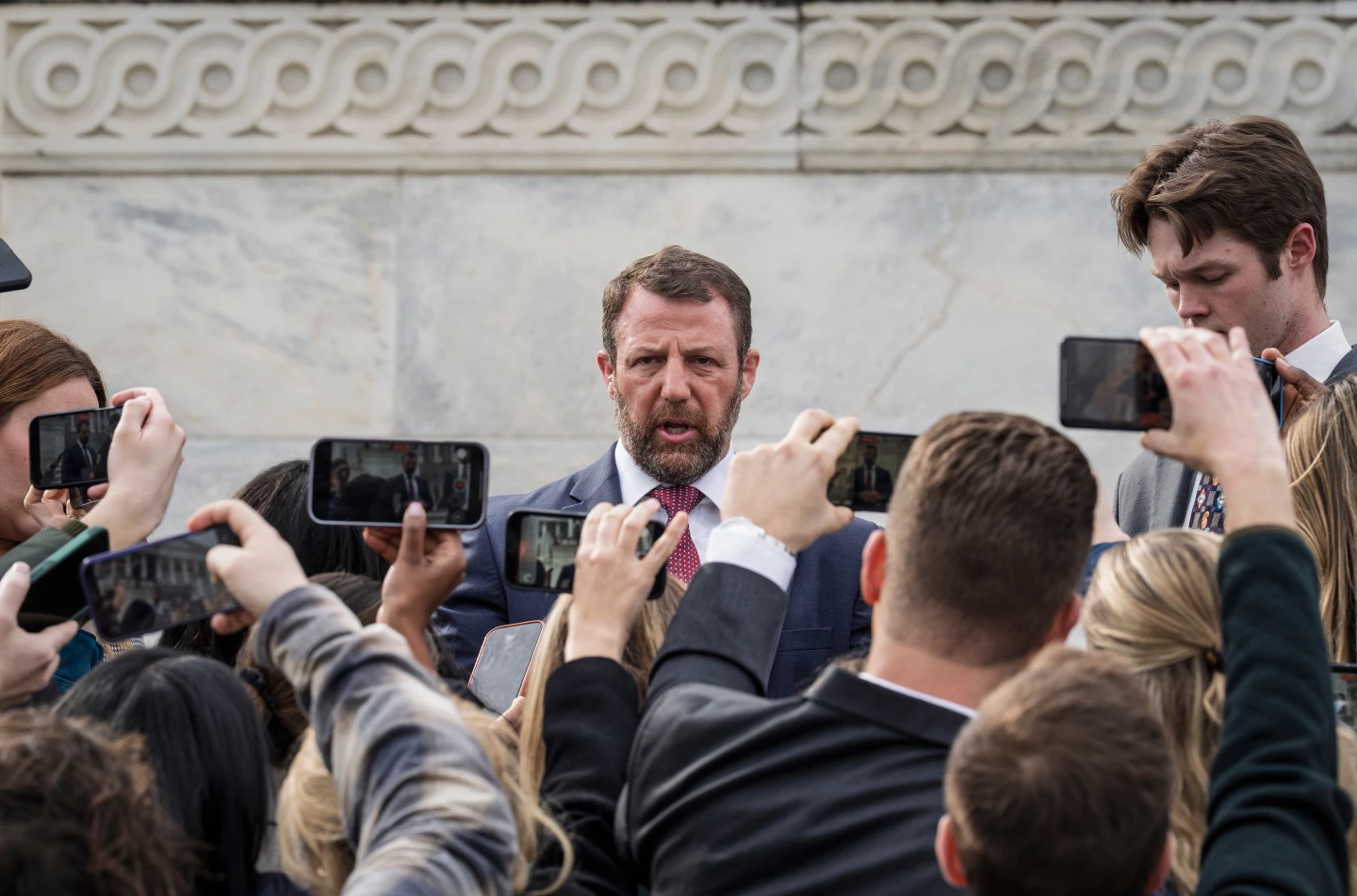
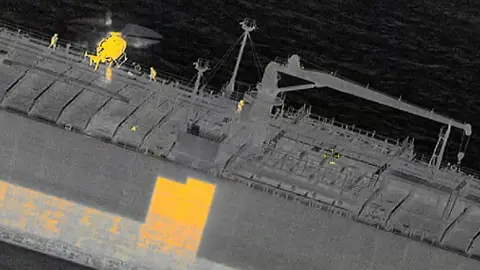
The affirmations by Democratic and Republican lawmakers were made after viewing footage of the 2 September double-strike incident and hearing from Adm Frank Bradley in closed-door hearings.
The briefing before members of the House of Representatives and later the Senate came as questions continued around the legality of military force used against suspected drug boats.
The White House has said Adm Bradley was responsible for the strikes and that he acted within the law.
On Thursday evening the US military posted on X that it had killed four people in another boat strike in the eastern Pacific Ocean, at Hegseth's direction.
Prior to news of the latest strike, lawmakers reacted to the testimony, with the most senior Democrat on the House intelligence committee, Jim Himes, saying Adm Bradley had his respect and should have the respect of all of us.
He added: But what I saw in that room was one of the most troubling things I've seen in my time in public service.
Yes, they were carrying drugs. They were not in the position to continue their mission in any way, Himes said.
After the briefing, Representative Adam Smith, the highest-ranking Democrat on the House Armed Services Committee, released a joint statement with Himes calling for the video to be released publicly.
They expressed that the briefing left them with more questions than answers, emphasizing the necessity for continued investigation and oversight by Congress.
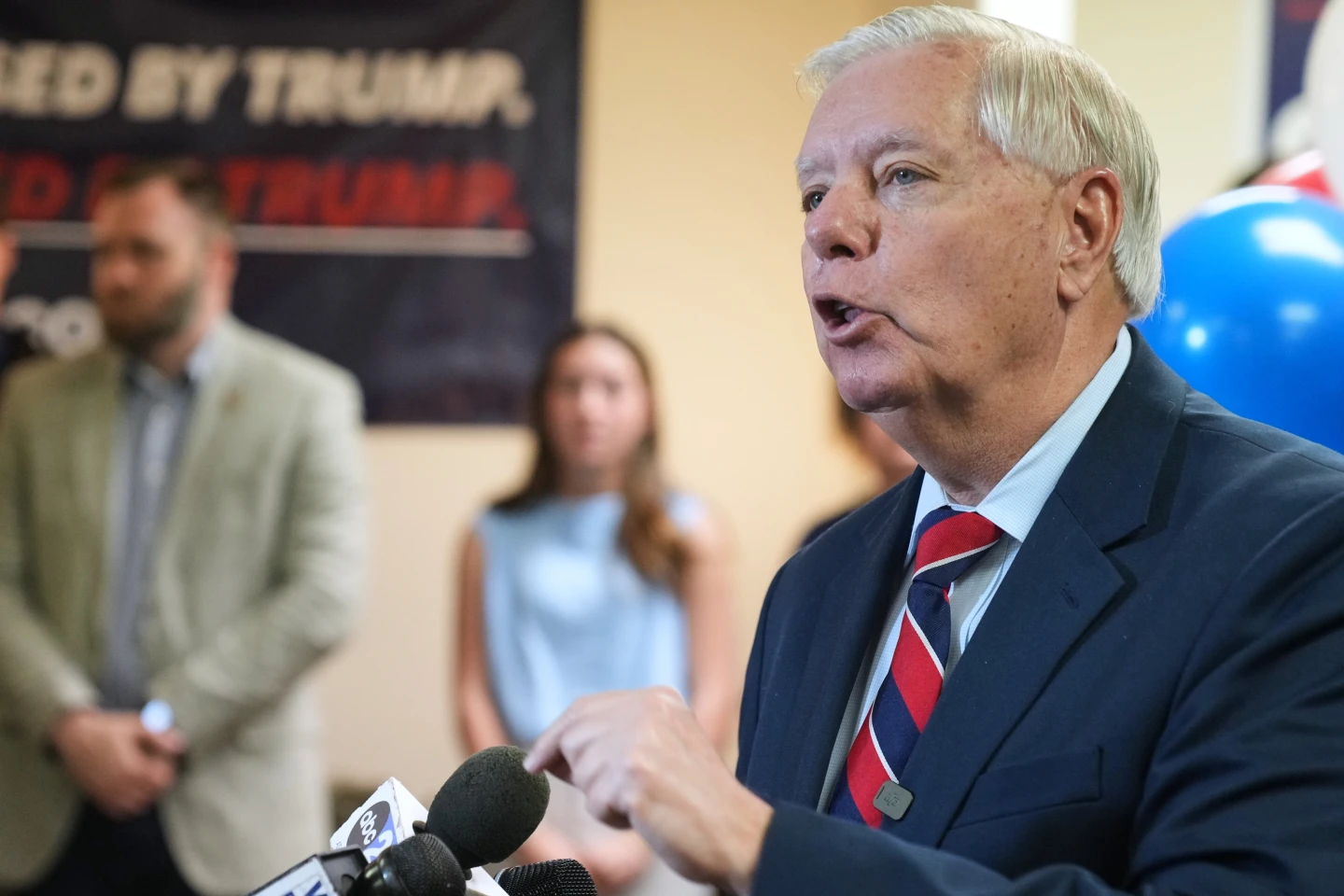
Senator Tom Cotton, chair of the Senate Intelligence Committee, defended the actions of Adm Bradley and Hegseth, stating they acted as expected in the situation. In contrast, Democratic Senator Jack Reed expressed disturbance regarding the events, indicating ongoing investigation is essential.
Concerns regarding the legality of the military campaign persist, especially following the revelation that a second strike occurred targeting survivors of the initial strike, raising ethical and legal dilemmas under international law.
As congruously highlighted by lawmakers, the situation exemplifies the complexities surrounding military interventions against alleged drug trafficking activities and their implications on human rights.
}