Romania shuts only nuclear plant as heat drops Danube River level
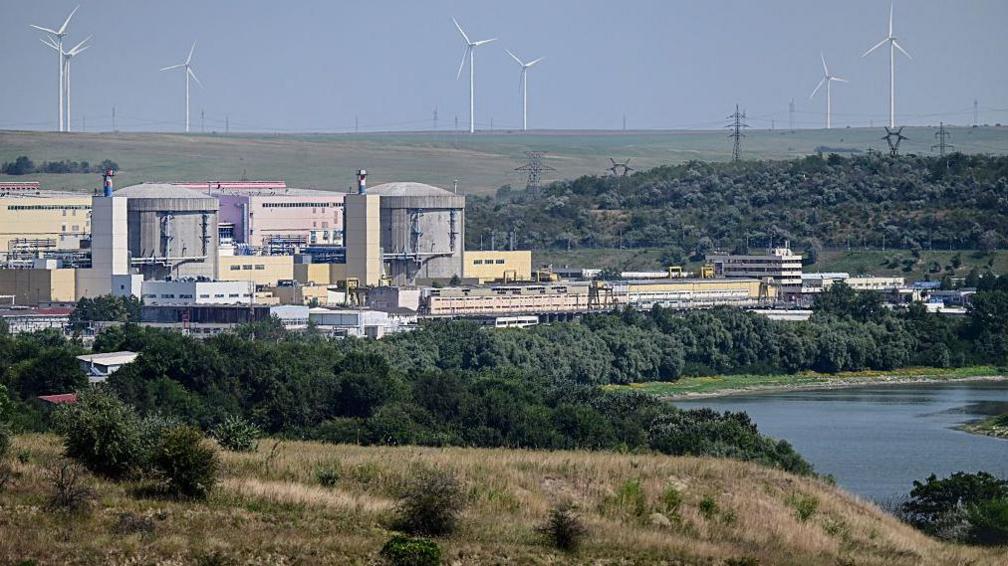
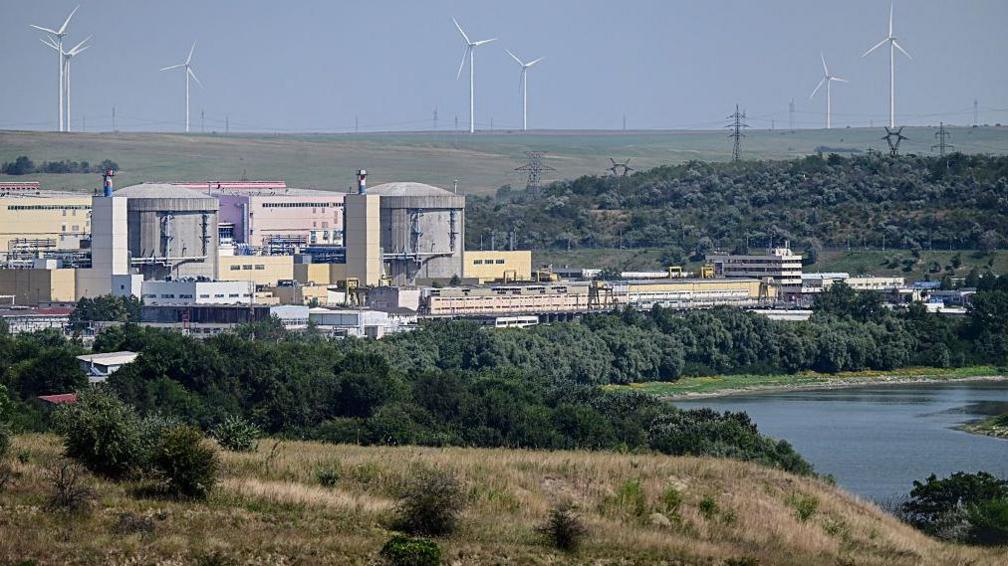
Romania’s sole nuclear power station, Cernavodă, has permanently shut down its second 706‑megawatt reactor after the Danube River fell to dangerously low levels, preventing the plant’s cooling system from operating.
The Cernavodă plant supplies roughly 20% of the country’s electricity, and the shutdown will keep the reactor offline for at least ten days. In the meantime, the country relies on solar and wind during hot daytime hours, and turns to coal, gas and imported power during evening peaks.
To raise water flow, authorities sank barges laden with rocks into the river, but the low water prevented the suction nozzles from reaching the current. Neighboring Hungary’s Paks nuclear plant, which also draws cooling water from the Danube, is under threat of a similar shutdown.
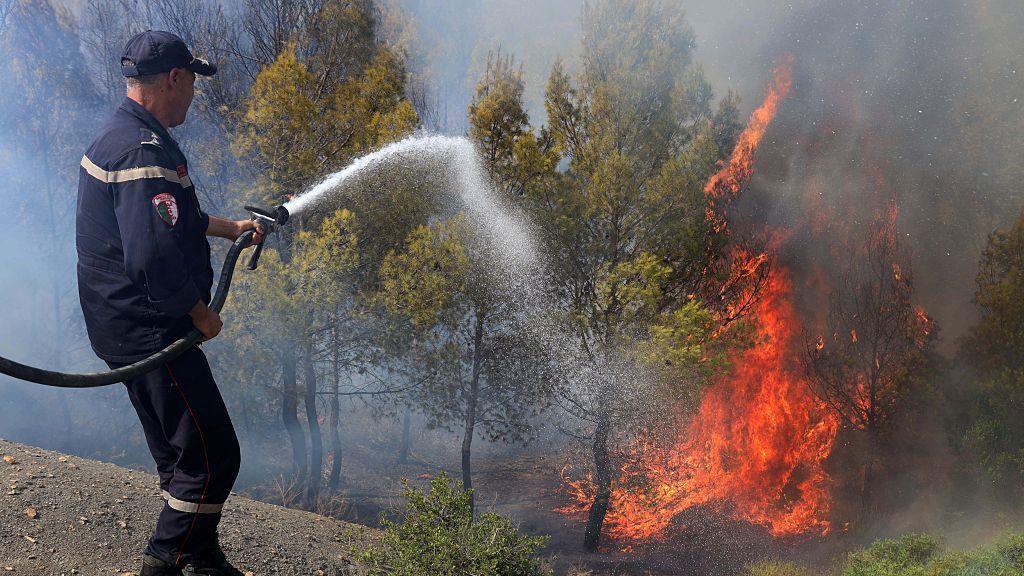
The crisis is an illustration of how heatwaves, driven by climate change, strain transboundary water resources and energy supply chains. Europe is heating twice as fast as the global average, with persistent heatwaves, low river flows, wildfires and supply disruptions becoming more common.
The low Danube levels have also hit record lows for the Rhine, severely limiting river traffic, while agricultural sectors in Italy, France and elsewhere face high costs from hail, drought and fires that could exceed €3 billion.
Overall, the shutdown underscores the urgency of diversifying energy sources and protecting water infrastructure from the impacts of a rapidly warming climate.