In brief
A sudden glacial collapse caused the latest flash floods along the Nepal‑Tibet boundary, overturning initial reports that blamed an earthquake. The US Geological Survey confirmed the event without pinpointing the exact trigger, though experts warn of escalating glacier melt due to rising temperatures. The collapse released vast amounts of water, flooding communities and infrastructure. The incident underscores the growing vulnerability of Himalayan communities to climate‑related hazards.
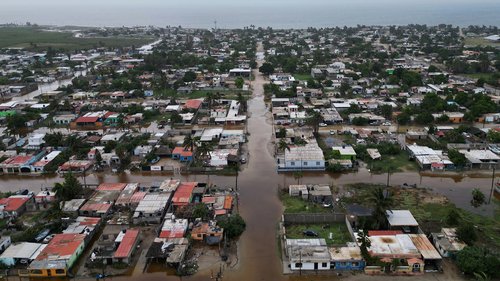
A sudden glacial collapse triggered the most recent flash floods along the Nepal‑Tibet border, laboratories of the US Geological Survey (USGS) confirmed, alerting authorities that the disaster was not caused by an earthquake as first suspected. The collapse—meaning a large portion of a glacier broke off and plunged into downstream valleys—released a torrent of meltwater that inundated low‑lying villages, damaged roads, and buried key transit routes.
While the exact trigger of the collapse remains undetermined, scientists warn that the Himalayan glaciers are retreating at an accelerated rate due to higher temperatures and shifting precipitation patterns. This rapid melt can destabilise ice shelves and trigger abrupt flows of water, a risk that is now increasing as global warming continues.
Officials are working to assess the damage and mobilize emergency support for communities affected by the sudden deluge. The USGS has advised that longer‑term solutions include better monitoring of glacial movements and investment in early‑warning systems across borders.
For a closer look at the pattern of such disasters, read Collapsed glacier likely caused devastating Nepal‑Tibet floods, scientists say.