In brief
Canada’s federal initiative of C$504 million has pulled 64 professors—thirds from U.S. institutions—to Canadian universities, focusing on climate, medicine and other priority fields. U.S. academics cite dwindling federal funding and a hostile research climate under the Trump administration as reasons to move. Canadian officials view the influx as a boost amid trade tensions and a showcase of a welcoming academic environment. U.S. leaders warning of a brain‑drain warn that the short‑term migration could lead to a long‑term loss of scientific prestige. The shift reflects deeper geopolitical rivalry and a growing contest over science leadership.
Canada’s new investment programme of C$504 million has pulled 64 senior academics to its universities, most of whom come from the United States.
The scholarship is aimed at bolstering research in high‑profile areas such as climate resilience, oncology and public health, offering a generous budget that can be allocated over eight‑year research cycles.
Many professors cite a steep loss of federal grant money in the United States—particularly under President Donald Trump’s cuts to national science programmes—as a key trigger to relocate.
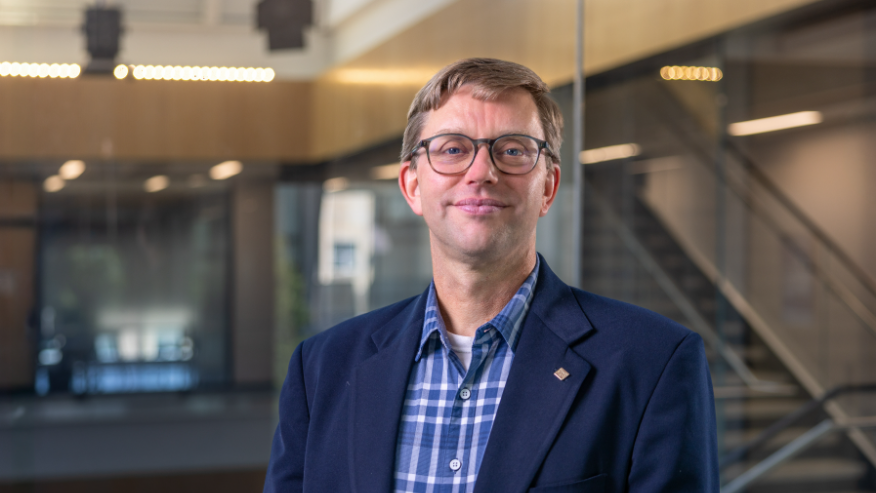
One climate scientist, Seth Guikema of the University of Michigan, explained that “the funding environment in the U.S. for anything related to climate and resilience has become challenging” and that Canada provides a “good intellectual home where I could have practical impact.”
Canada’s Industry Minister, Melanie Joly, welcomed the arrivals as a “fantastic win for Canadian higher education” and highlighted the programme’s intellectual promise.
U.S. institutions, still top‑ranked worldwide with MIT, Stanford and Harvard in the upper echelon, face calls to review policies that have reduced grant funding and increased political influence.
U.S. higher‑education leaders warn that the short‑term brain drain could lead to a long‑term loss of scientific prestige for the United States.
The migration of talent sits at the intersection of science, politics and trade—a real‑time reshuffling of academic capital that underscores a broader turf war between the two neighbours.