Collapsed Glacier Triggered Devastating Nepal‑Tibet Flood, Scientists Reveal
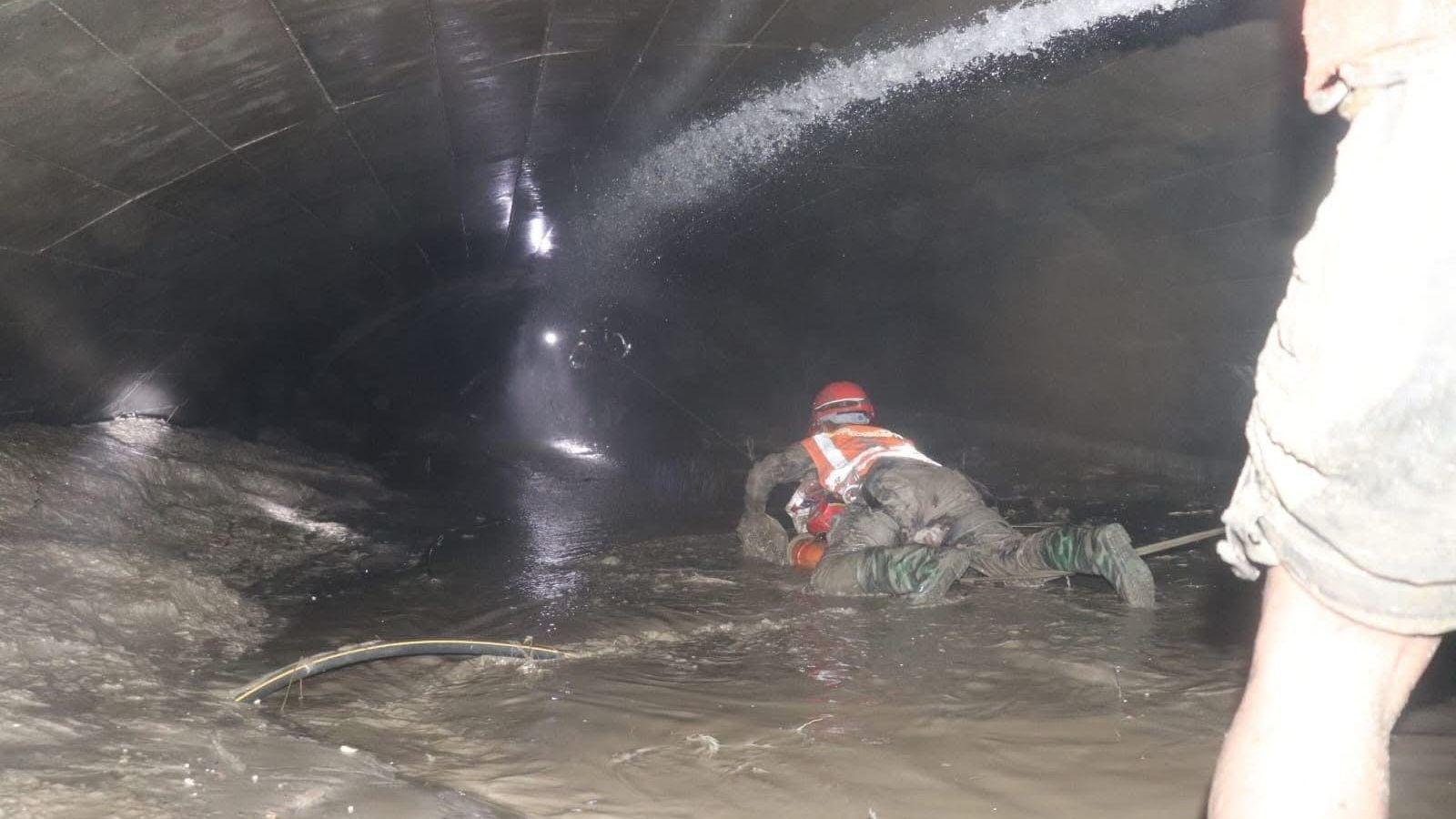
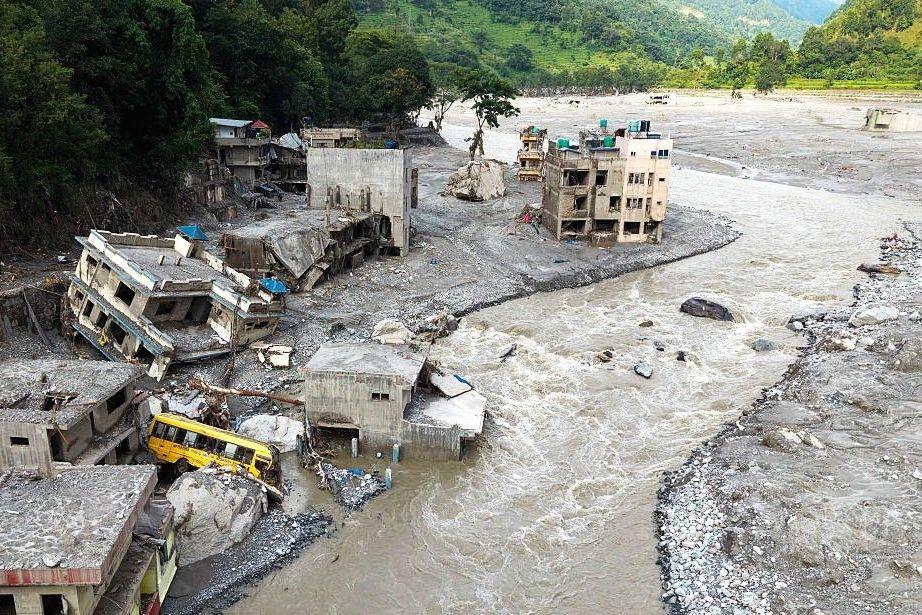
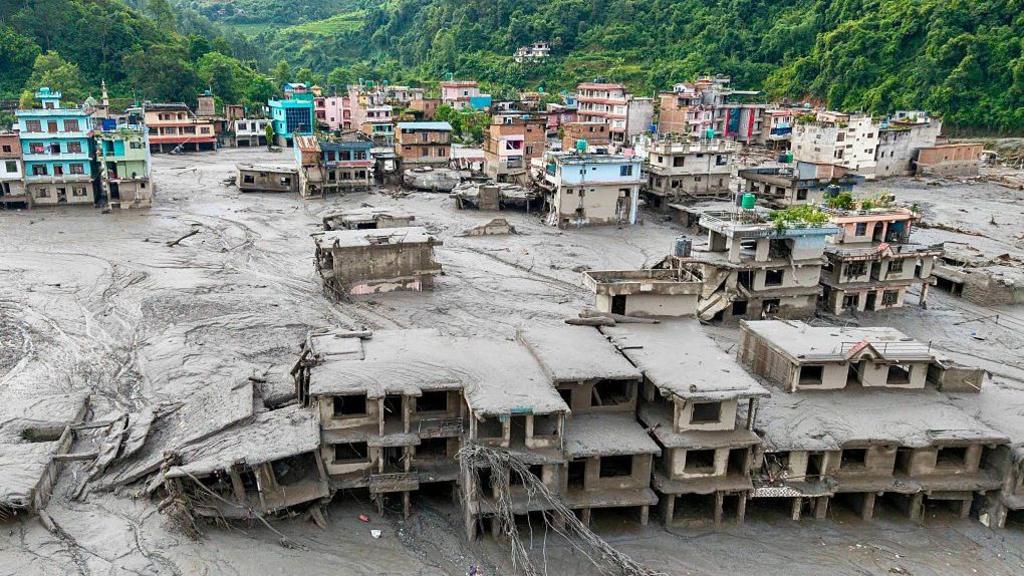
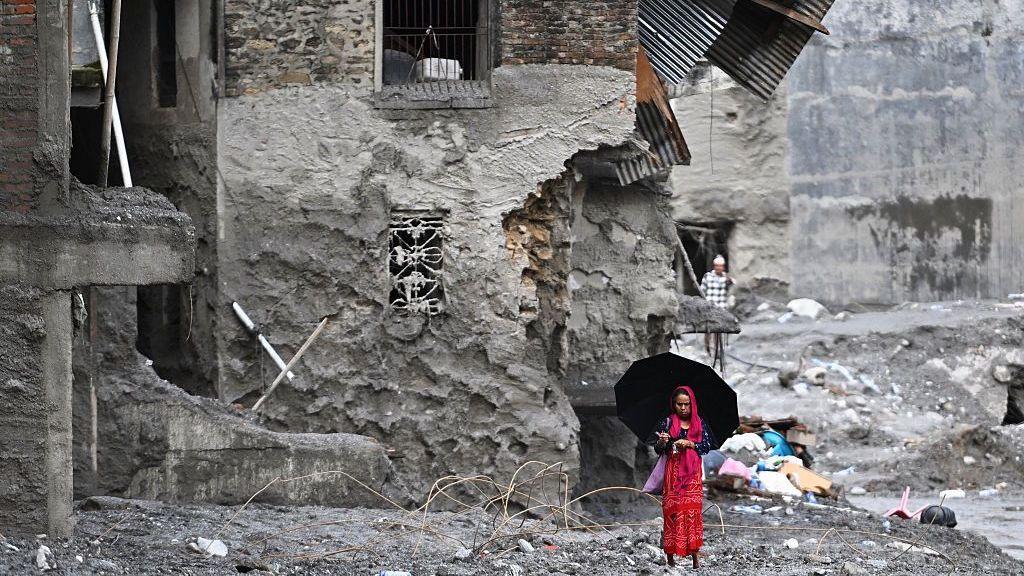
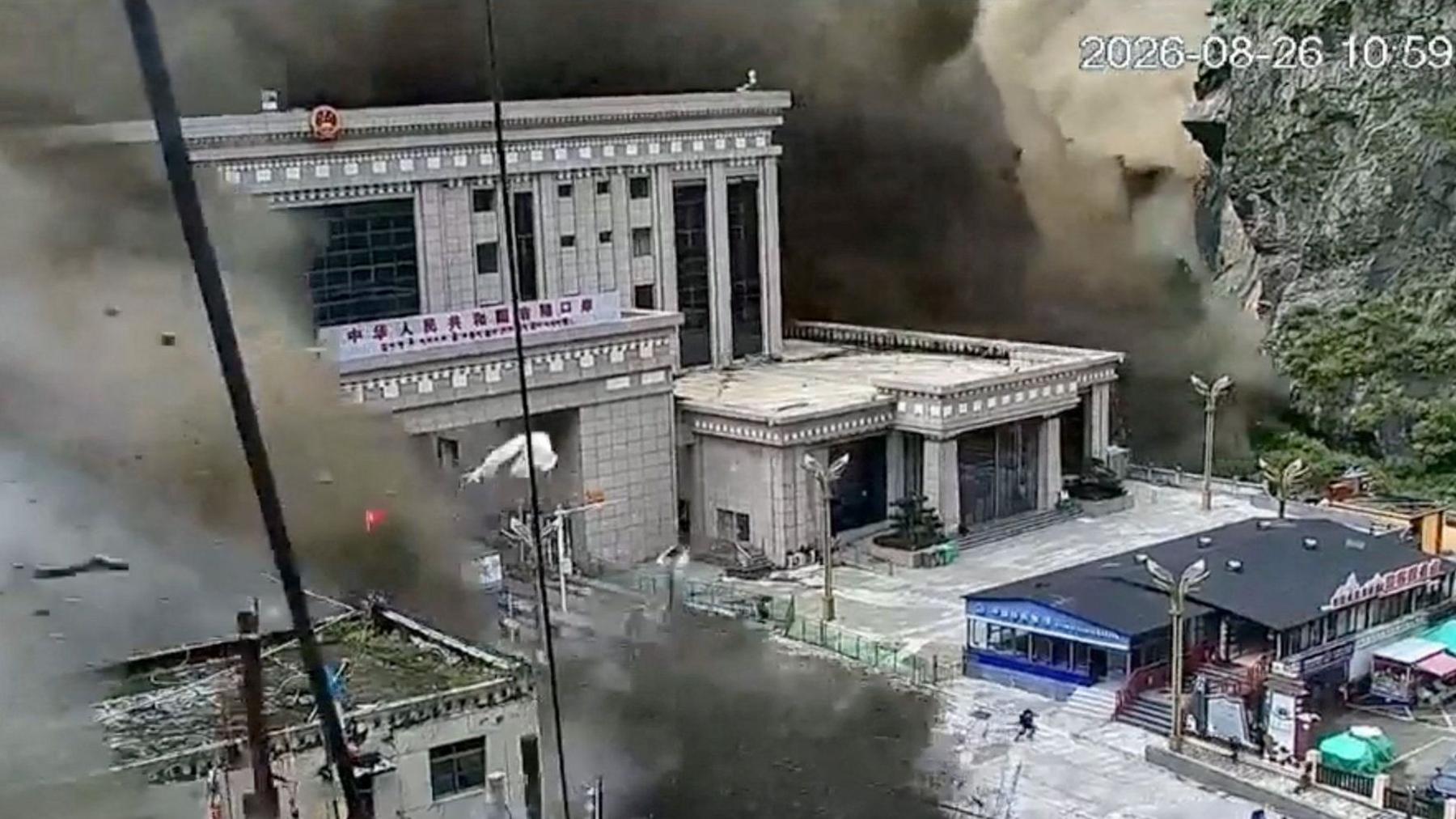
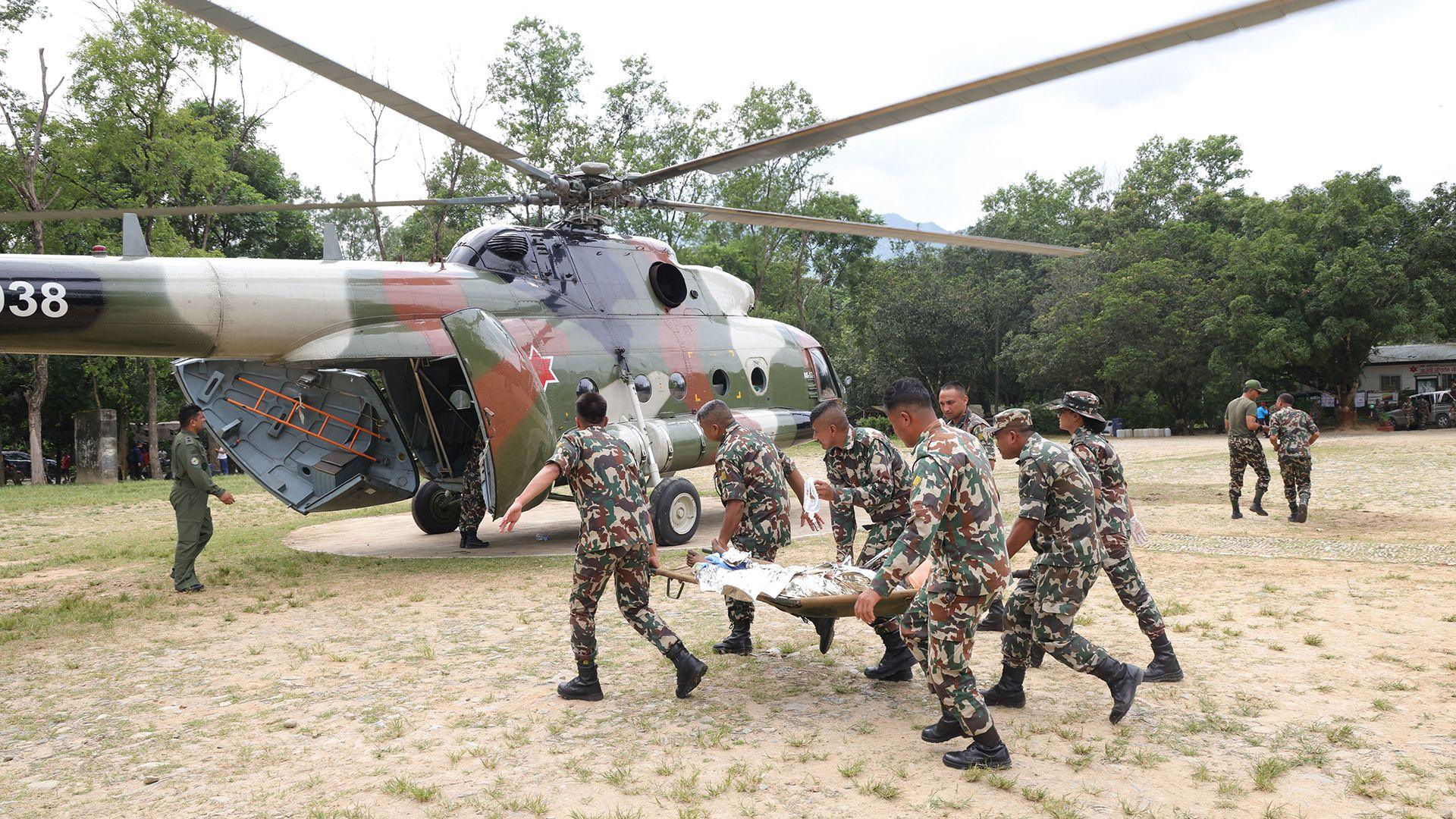
In the early hours of Saturday, a surge of water and debris swept across the Nepal‑Tibet border, killing 177 people and leaving more than 800 missing. Initial reports blamed a local earthquake, but the United States Geological Survey (USGS) has now identified a glacial collapse as the true cause.
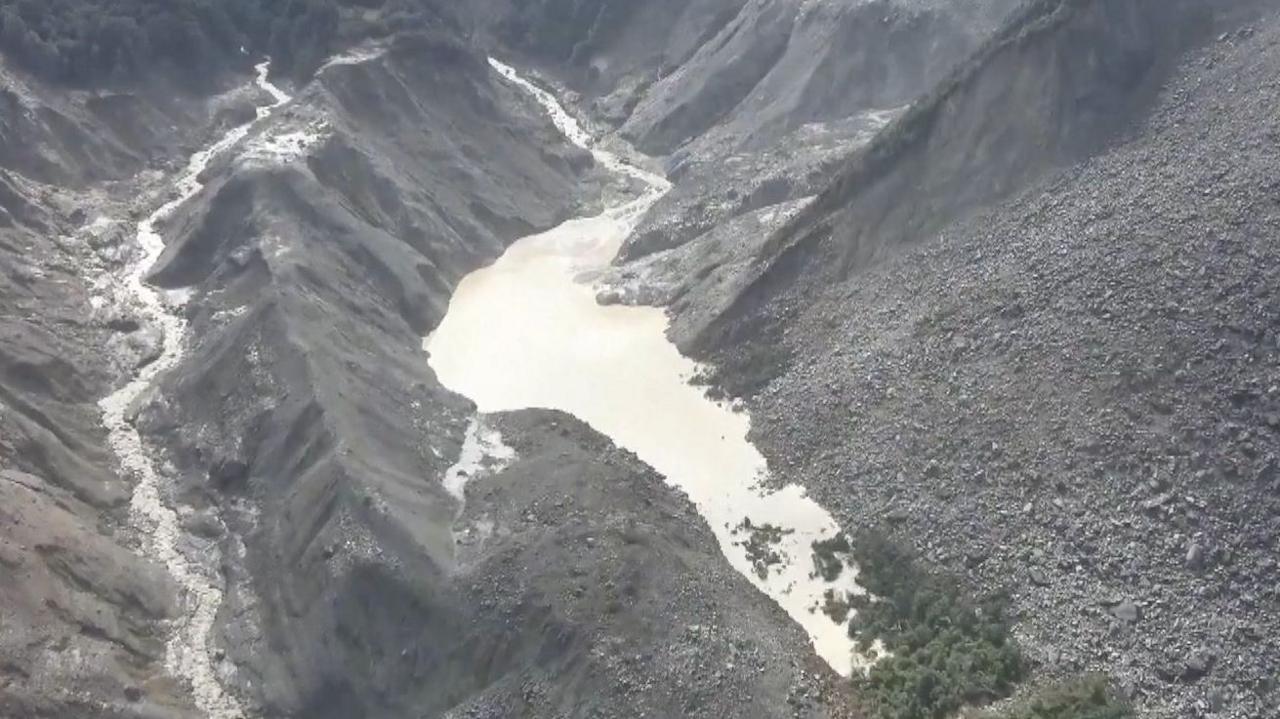
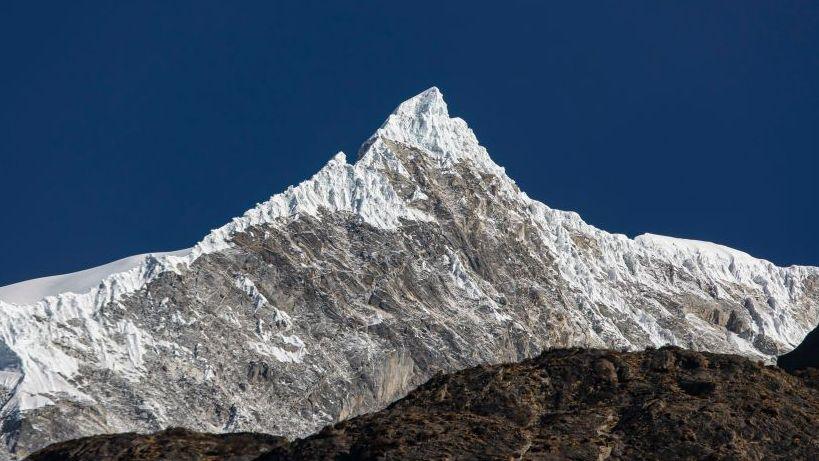
The collapse originated from a lower section of a glacier near Langtang Lirung, approximately 15 km (9 mi) west of the flood site. Dr. Simon Cook, a glacier specialist at the University of Dundee, said the ice mass broke apart and flowed downstream, creating a shockwave that registered a 5.2‑magnitude event on seismic instruments. The force of the collapse discharged a vast volume of ice, rock and water into the valley, generating a rapid, dangerous flood.
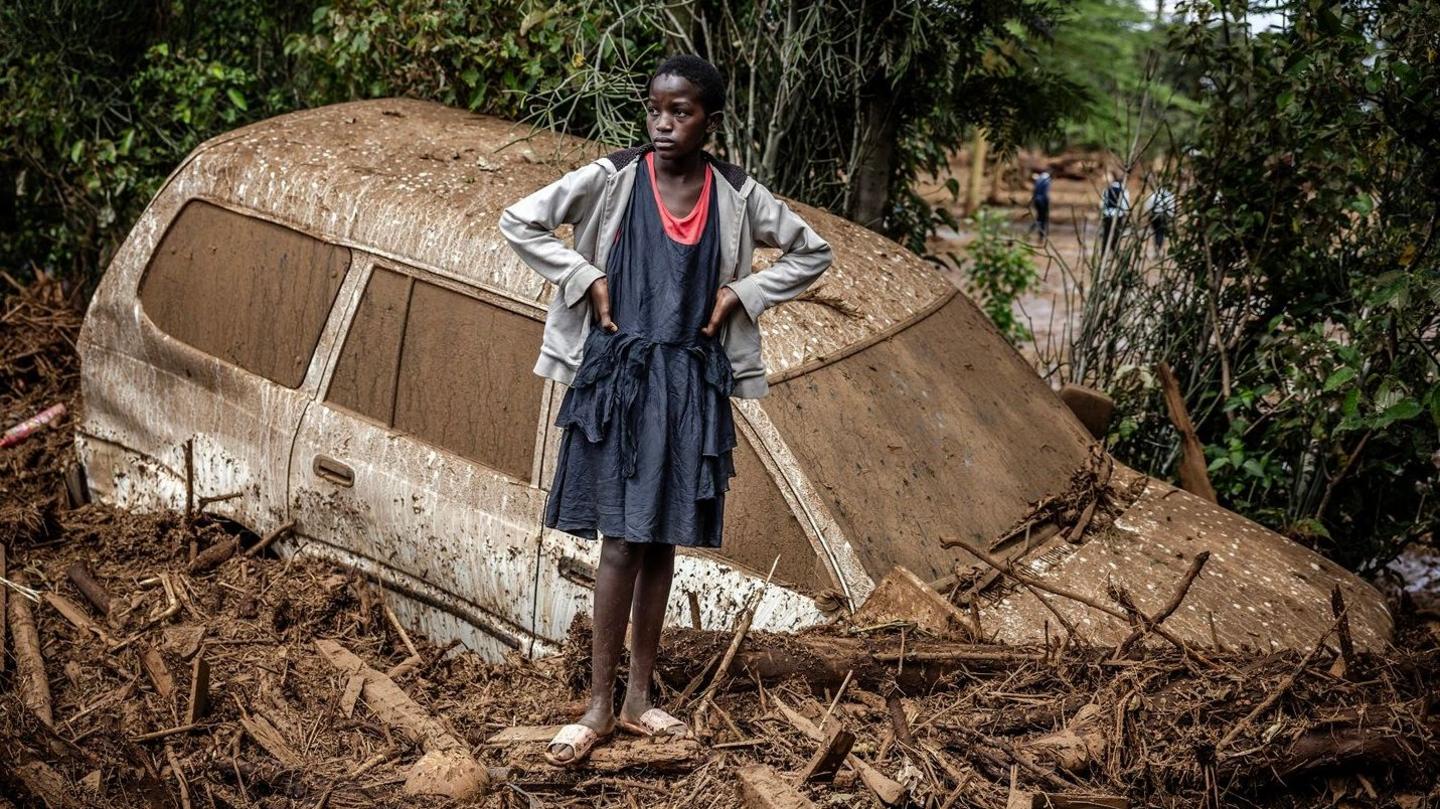
Satellite imagery and on‑ground monitoring indicated that water levels in rivers rose between seven and nine metres within 30 minutes, overwhelming drainage systems and washing away monitoring stations. The debris‑laden surge carried boulders and mud, producing a catastrophic surge that swept thousands of residents into the river.
The International Centre for Integrated Mountain Development (ICIMOD) analysed the event and concluded that the flood was caused by an ice‑rock avalanche originating from a high‑altitude area. The avalanche’s mass of ice and rock entered the Lende Khola, a tributary of the Bhote Koshi river, amplifying the upstream surge and creating a sudden, high‑volume flow downstream.
Experts warn that the Himalayas are experiencing accelerated glacier melt and permafrost thaw due to rising temperatures. An ICIMOD study released earlier this year found that Hindu Kush Himalayan glaciers have been losing ice at double the rate of the past two decades, increasing the risk of floods and landslides. Dr. Cook highlighted similar incidents in India, Switzerland, and Italy, where glacier collapses have caused catastrophic downstream damage.
In 2021, a large chunk of a Himalayan glacier collapsed in Chamoli, India, producing a debris flow that killed 200 people and was estimated to have had energy equivalent to 15 atomic bombs. Recent floods on Nepal’s border, linked to glacial lake outbursts in Tibet, underscore the growing frequency of such events.
"The pace of change is so rapid that current efforts are struggling to keep up," said Mohd Farooq Azam, a specialist with ICIMOD. "With a warming planet, the permafrost that holds mountain slopes together is thawing, leading to more landslides, debris flows, glacial meltwater, and glacier collapses."
The tragedy in Nepal‑Tibet signals a critical need for heightened monitoring, early‑warning systems, and international cooperation to mitigate the growing threat of glacial hazards as the world confronts a warming climate. It also highlights the urgent importance of developing resilient infrastructure in high‑mountain regions that are increasingly vulnerable to sudden geological disasters.