
In brief
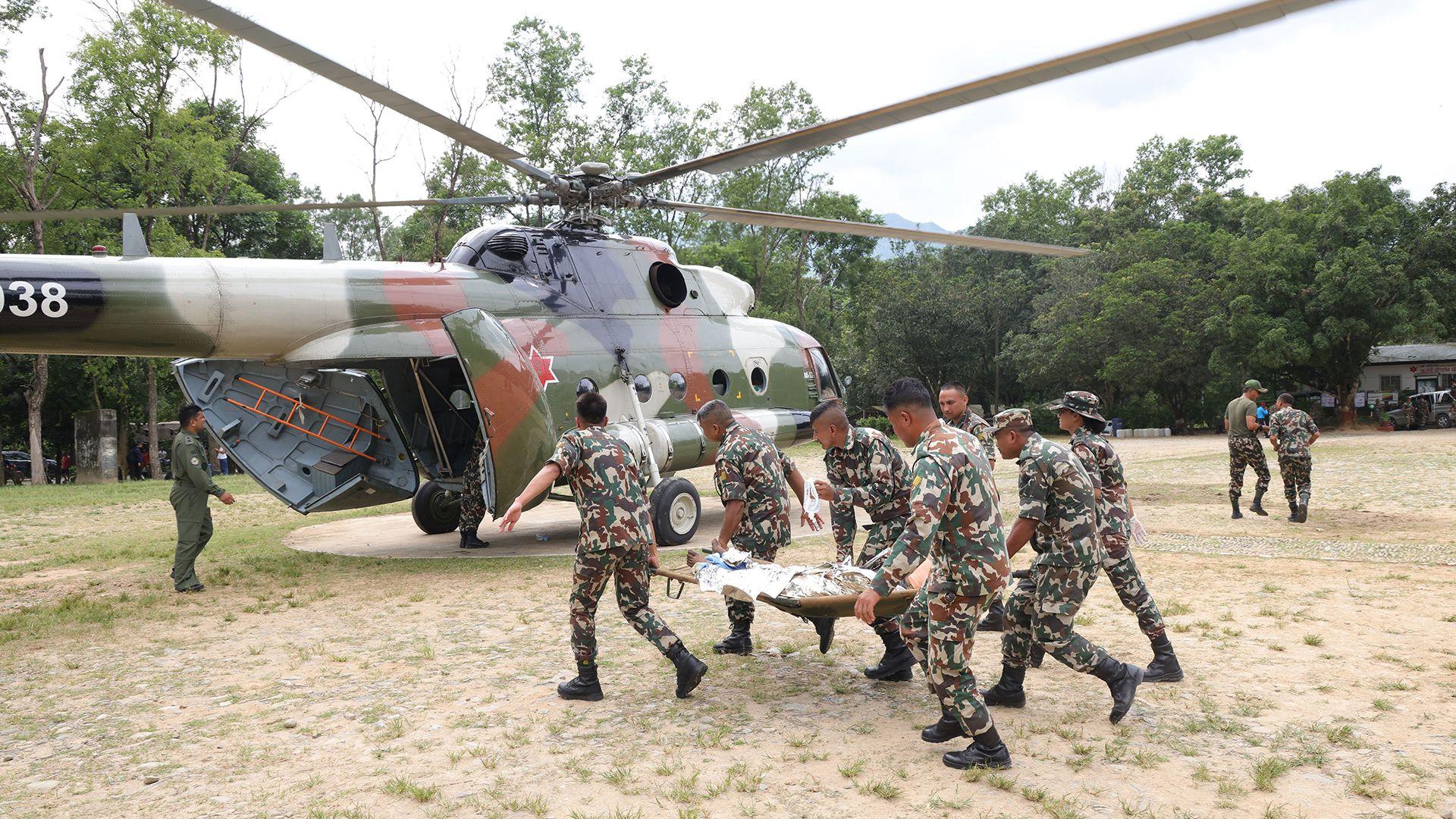
A catastrophic landslide and flash flood on the Nepal‑Tibet border claimed at least 270 lives and left more than 800 missing, many of them tourists. Initial reports blamed an earthquake, but scientists determined the root cause was a glacial collapse and debris flow that triggered the flood. The disaster devastated towns along the Trishuli River and drew rapid responses from China, India, the United States and the UK, who pledged aid and search‑and‑rescue teams.
Massive landslides and flash floods on the Nepal‑Tibet border have left at least 270 dead and more than 800 missing, with international aid rushing in to help rescue and relief efforts.
What caused the deadly landslide?
Initial reports suggested a 4.4‑magnitude earthquake triggered the disaster, but the US Geological Survey clarified it was a glacial collapse and debris flow that in turn triggered the flash flood.
Human toll
At least 270 people have perished, with 826 missing—over 529 tourists, including 466 foreign nationals. The highest numbers of missing come from India (178), Ukraine (53), Malaysia (51), the UK (33), Canada (24) and the US (65).
International response
China’s President Xi Jinping has called for an all‑out search effort and pledged better early warning systems. Nepal’s Prime Minister said the nation was "shocked and deeply distressed." India has pledged humanitarian assistance; the United States has donated $500,000 for emergency shelter and water supplies; and the UK is supporting its nationals in the region.
