In brief
At the Gravelines nuclear power station, a sudden influx of jellyfish clogging the cooling seawater filters led to the shutdown of units one, two, three, four and six. The plant, which normally produces 5.4 GW from its six 900‑MW reactors, has seen its output sharply reduced while it attempts to clear filters and prevent future biological blockages. Analysts say that although the country’s grid can compensate, the incident highlights vulnerabilities in marine‑cooled power plants to natural marine phenomena. EDF plans to partner with local fisheries to tackle the jellyfish swarm and has already started a new filtration‑cleaning protocol. Similar closures have happened only a handful of times globally, underscoring the rare but real risk jellyfish pose to nuclear infrastructure.
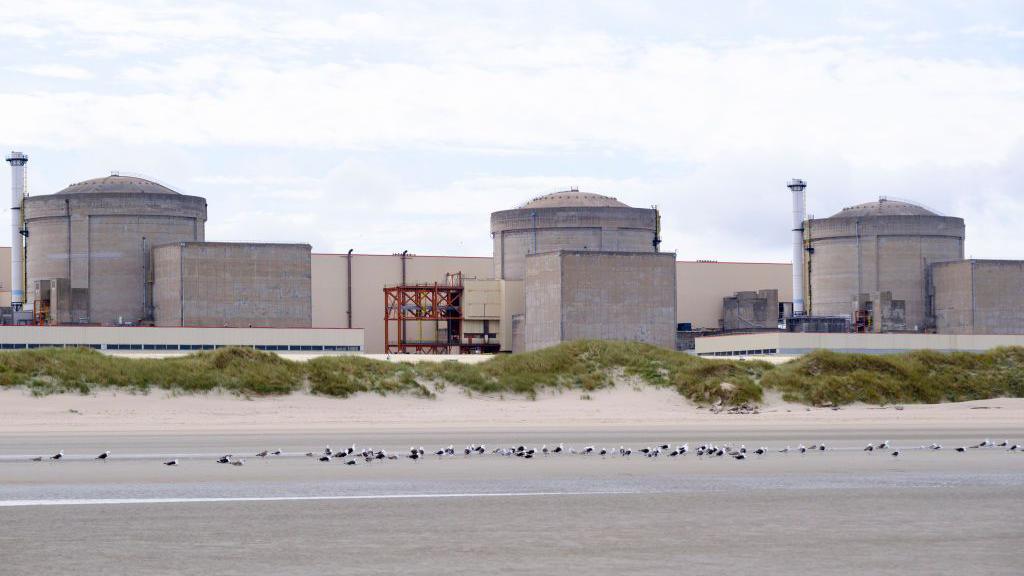
On Wednesday and Thursday a surge of jellyfish clogged the cooling system of Germany’s Gravelines nuclear power station, forcing the shutdown of a majority of its six reactors.
EDF reported that units one and two were throttled to reduced output as a precaution, while units three, four and six were closed entirely and unit three had been offline since 10 August before only regaining connection on 18 August. The plant’s cooling is supplied via a canal linked to the North Sea, and the influx of jellyfish has obstructed the filters that remove marine debris from the water before it cools the reactors.
Each unit at Gravelines generates 900 megawatts, meaning the shutdowns account for a loss of roughly 4.5 gigawatts of power during daylight hours. While France’s grid can compensate with reserves and other power plants, the incident shows how a marine storm can threaten the reliability of nuclear supply.
Jellyfish are native to the French coast but flourish during warmer months, when increased plankton production at the surface draws them upriver. EDF and local authorities have begun collaborating with fishermen to capture and relocate jellyfish further offshore, an approach that was used in 2025 to reduce the influx that caused the previous shutdown.
Nuclear plants worldwide have faced similar, although infrequent, closures. Sweden’s Oskarshamn plant was shut in 2013 and the UK’s Torness facility came offline in 2011 due to jellyfish.
With climate change potentially increasing water temperatures, experts warn that such incidents may become more common. EDF has said it is reviewing its filtration systems and considering additional biological barriers to keep jellyfish out of the cooling circuit, in a bid to restore all six units to full operation without compromising safety.