(Warsaw) – Prosecution in Poland has charged an 18‑year‑old Ukrainian man, identified as Illia K, with a series of sabotage acts allegedly carried out on behalf of Russian intelligence. The suspect faces up to life imprisonment if convicted.
Illia K was accused of 47 separate criminal acts between November 2024 and August 2025, when he was detained. The offences included vandalising memorials to Polish victims of the Ukrainian Insurgent Army (UPA) and the Volyhnia massacre, as well as preparing a drone assault during the last Polish Armed Forces’ Day parade, where he allegedly intended to fly a drone over the Polish president’s motorcade on 15 August.
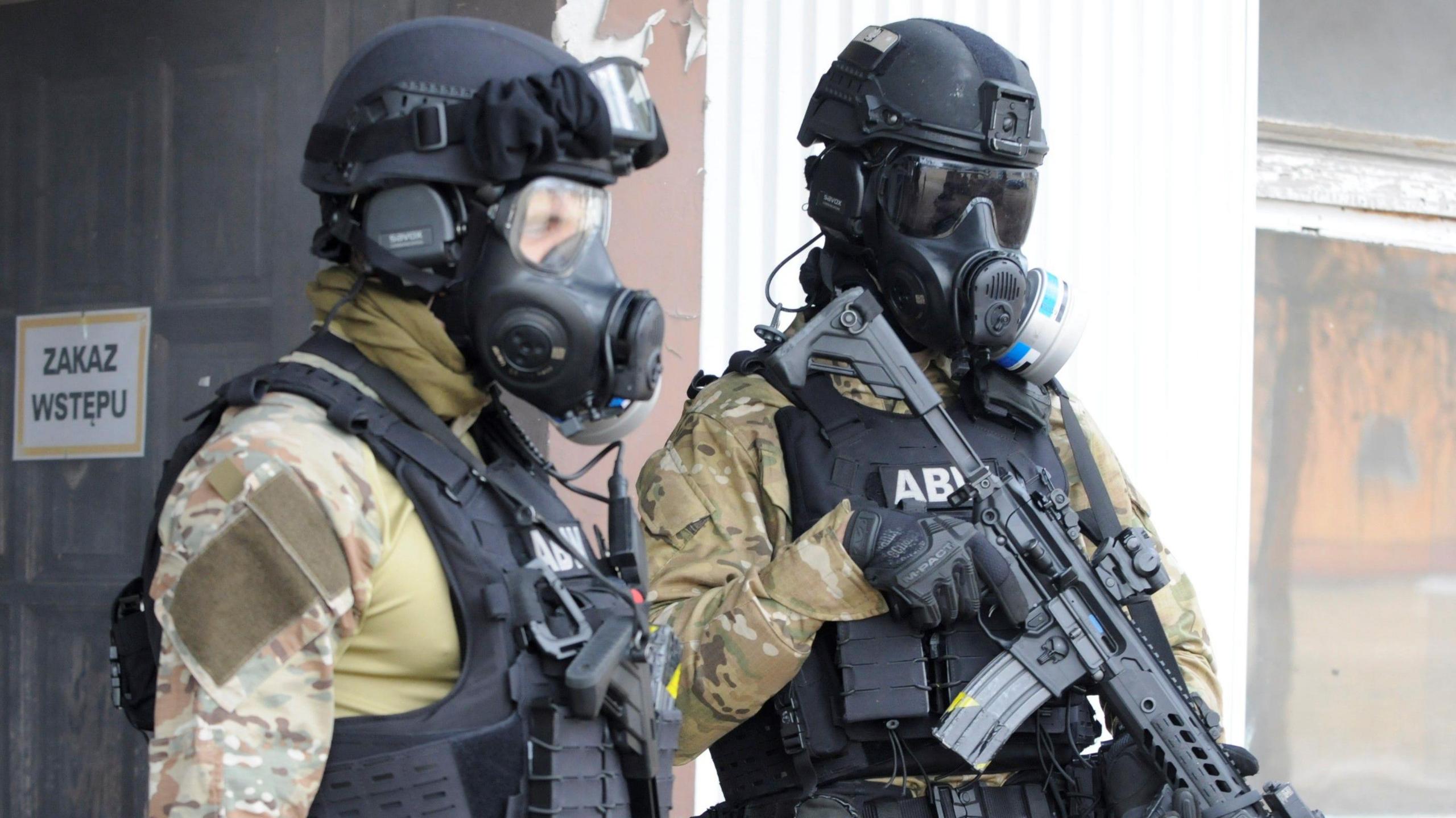
Poland’s Internal Security Agency (ABW) said the overarching goal of the sabotage was “to incite ethnic tensions between Poland and Ukraine.” Prosecutors emphasized that while the suspect acted for financial reasons, the majority of the alleged acts benefited foreign intelligence.
According to ABW statements, the teen recruited others to commit the crimes, paid them using cryptocurrencies registered in Russia and China, and transmitted instructions via an anonymous messaging service. He maintained proof by sending photographs of the completed tasks. The ABW reports that it launched 48 espionage investigations last year, more than twice the number undertaken in 2024.
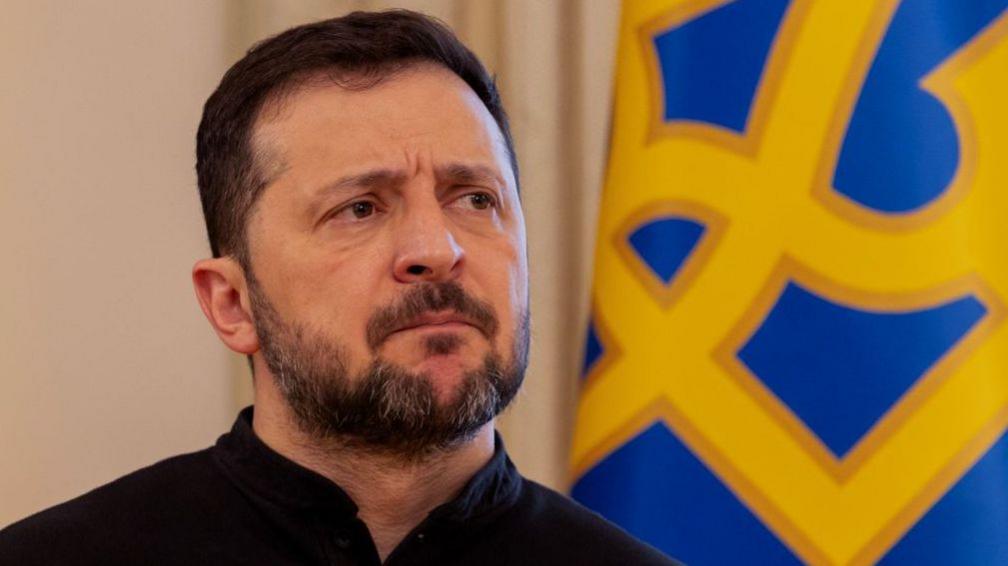
The Ukrainian‑Polish dispute over the UPA’s legacy has tainted relations for decades. The UPA, involved in the mass murder of tens of thousands of Poles during World War II, is viewed by Poles as a criminal organization, whereas many Ukrainians see it as a heroic resistance against Soviet occupation. Recent diplomatic tensions emerged when Ukrainian President Volodymyr Zelensky named a military unit after the “Heroes of the UPA,” prompting Polish President Karol Nawrocki to strip the Ukrainian leader of Poland’s highest state honour, the Order of the White Eagle, a rare action in 300 years.
Experts point out that the historical narrative continues to influence political discourse, making the nation‑state’s stability vulnerable to impersonally driven sabotage, especially linked to Russian strategic objectives. The ongoing investigation into Illia K’s case underscores the broader geopolitical gamesmanship around historic ethnic grievances.
(Contact the OnPoint investigative arm for further analysis and real‑time updates on the case.)