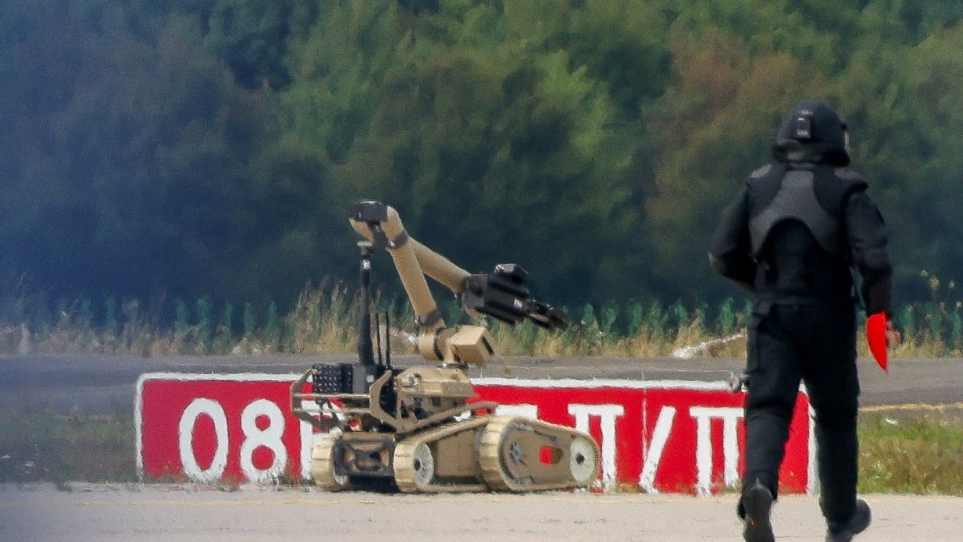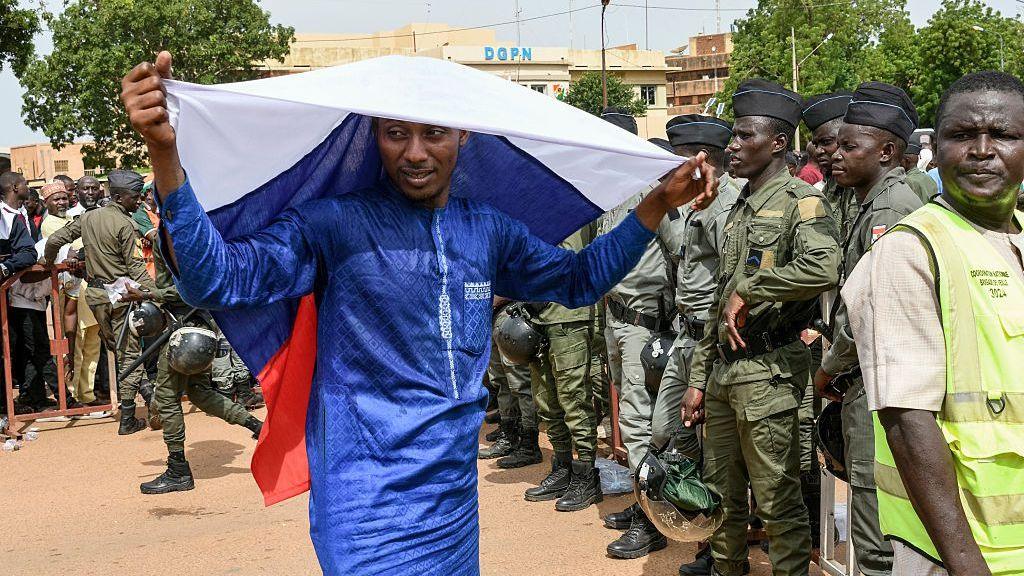
On Saturday night soldiers in Niger’s capital seized a strategic air base, sparking a brief but intense confrontation that forced the ruling junta to call on its long‑standing ally, Russia, for assistance.
The Russia‑led Africa Corps, a unit officially under the defence ministry rather than the private Wagner Group, deployed between 200 and 300 troops to help loyalist forces reclaim Diori Hamani International Airport. The corps’ presence was publicly acknowledged by Russia’s ambassador Viktor Voropaev, who said the intervention had “re‑pressed a mutiny.”
Senior analyst Beverly Ochieng from Control Risks described the operation as a symbolic victory that will keep the junta at the centre of both counter‑insurgency and the “prolongation of military rule.” The mutiny is an early sign that the Africa Corps’ role extends beyond fighting insurgents to securing the political footing of Niger’s leadership.
Since the 2023 coup that brought Gen Abdourahamane Tiani to power, Niger has faced relentless attacks from al‑Qaeda and Islamic State affiliates, yet the government claims it has largely contained the threat. The army’s recent mutiny highlighted long‑standing grievances within its forces, reflecting a wider struggle to maintain morale and resources amid ongoing jihadist incursions.
Russia’s involvement has arguably become more about protecting allied governments than simply revising counter‑insurgency tactics. Analysts point to Africa Corps’ protection of mineral resources such as uranium in Niger, gold in Mali and other assets that benefit Moscow’s interests while reinforcing the regime’s legitimacy.
The move also positions the Sahel states to align against former colonial powers. By sidelining France and withdrawing from regional blocs like Eco‑was, the juntas seek to project a narrative of sovereignty and anti‑colonialism—an image that Russia claims respects that autonomy.
However, the strain imposed by the war in Ukraine limits Russia’s capacity to maintain a wide‑scale offensive in the Sahel. Its strategy now focuses on supplying just enough “weapons, supplies and logistics” to keep the allied militaries afloat, a tactic that could last in the foreseeable future but is unlikely to end the underlying insurgent threat.
In short, the September mutiny illustrates Russia’s dual approach in the Sahel: it offers immediate military support to keep power structures intact, while simultaneously deepening its strategic foothold through resource access and political influence. The alliance may hold for now, but the region’s unresolved insurgency and the limits of Moscow’s resources could spark future instability.