In brief
Odesa, a predominantly Russian‑speaking port on the Black Sea, is debating a municipal decree that would ban Russian‑language content in publicly funded arts and cultural venues, extending national mandates against Russian influence. Proponents argue the ban will safeguard Ukrainian identity amid Russian aggression, while critics warn it marginalises residents and erodes cultural heritage. The move follows a national push to promote Ukrainian language and a history of debates over dual language use. Key figures include local lawyer Artem Kartashov, popular comic Borys Barsky and language ombudswoman Anna Nerush, each offering contrasting perspectives on the law’s impact.
Odesa, Ukraine’s third‑largest city on the Black Sea, has long been a linguistic crossroads, with the majority of residents speaking Russian at home.
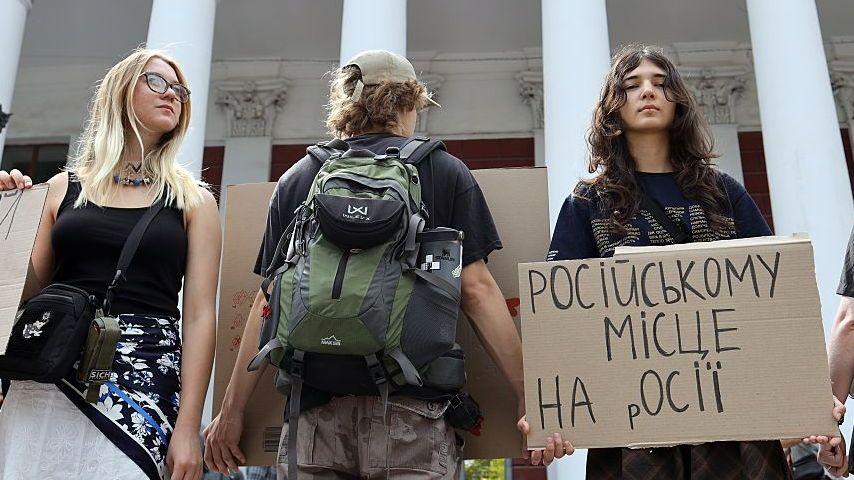
Now city councillors are considering a decree that would ban Russian‑language content in publicly funded music, literature and cultural venues, an extension of the national “Ukrainian‑first” law that was passed following the 2022 invasion of Russia.
Proponents say the ban protects Ukrainian identity and prevents Russian cultural propaganda from reaching civilians, especially after Russian drones and missiles have struck the port city day‑to‑day.
Opponents, including comedy star Borys Barsky and lawyer Artem Kartashov, argue that the law would criminalise a large part of the population’s heritage, turning language into a tool of social division.
Anna Nerush, the city’s language ombudswoman, notes that while individuals can use Russian privately, public streets and institutions would be forced to switch to Ukrainian, a move she says could pressure businesses to comply out of fear of losing permits.
The debate comes on the backdrop of a wider national push: in 2022 an 80‑percent poll showed robust support for Ukrainian dominance in official arenas, yet recent student surveys reveal that over 80 % still speak Russian at school recess.
Odesa’s local media and academics, including anthropologist Anastasia Piliavsky, warn that this soft‑law push may turn Russian speakers into symbolic minorities, undermining the country’s post‑war aspirations for freedom of expression.
At least two public venues have already seen fines, such as the Mask Theatre for ads in Russian and a café whose sign read “Coffee” in Russian.
The city council is set to vote this week. The outcome could set a precedent for other Ukrainian municipalities contemplating similar language restrictions.