Zelensky Warns Airlines to Avoid Russian Airspace Amid Rising Drone Threats
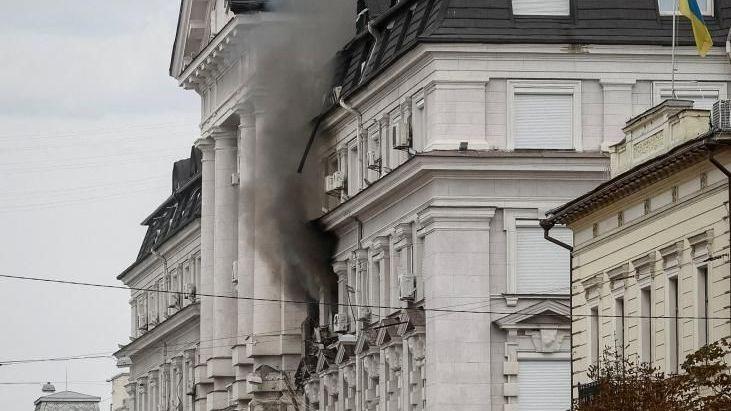
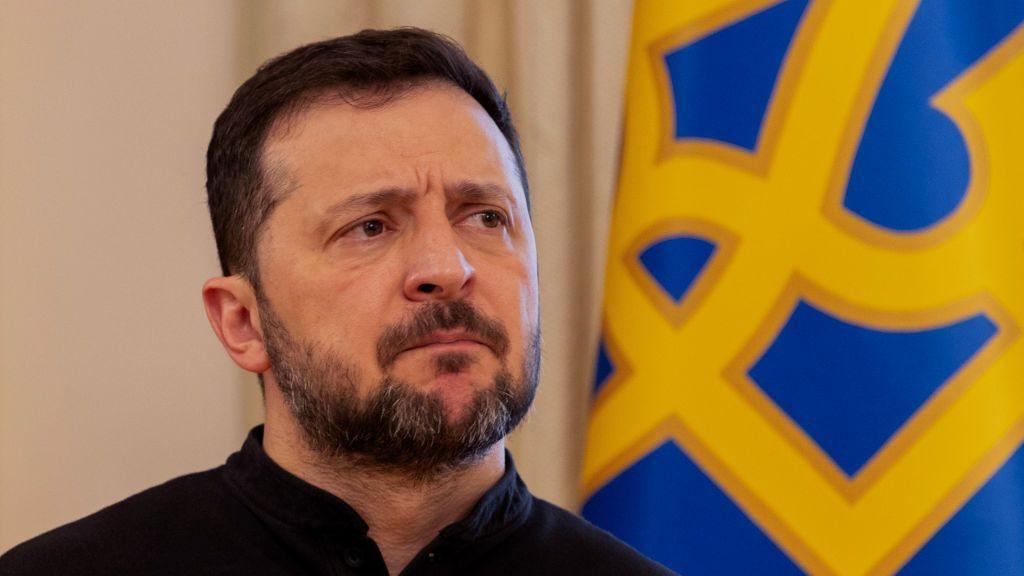
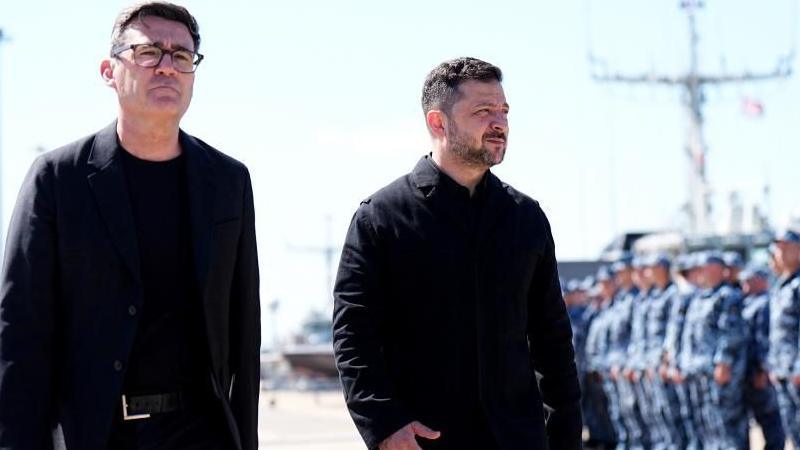
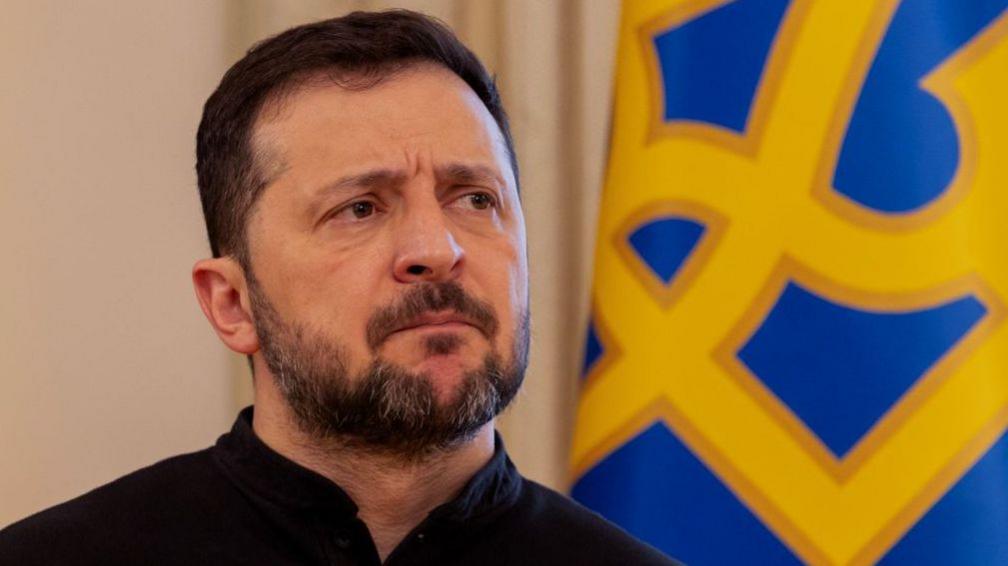
President Volodymyr Zelensky has addressed the aviation community in a bid to deter aircraft from entering Russian airspace. In a televised briefing he said the “Russian sky is becoming completely dangerous” amid an escalation of drone operations launched from Ukraine into Russian airspace.
The Ukrainian leader also told airlines, insurers and any operators that still utilise Russian airports—especially major hubs in St Petersburg and Moscow—to prepare for potential drone encounters. He added that Ukraine has formally notified the United Nations of the risks posed to civil aviation, with the International Civil Aviation Organization now factoring this threat into its safety assessments.
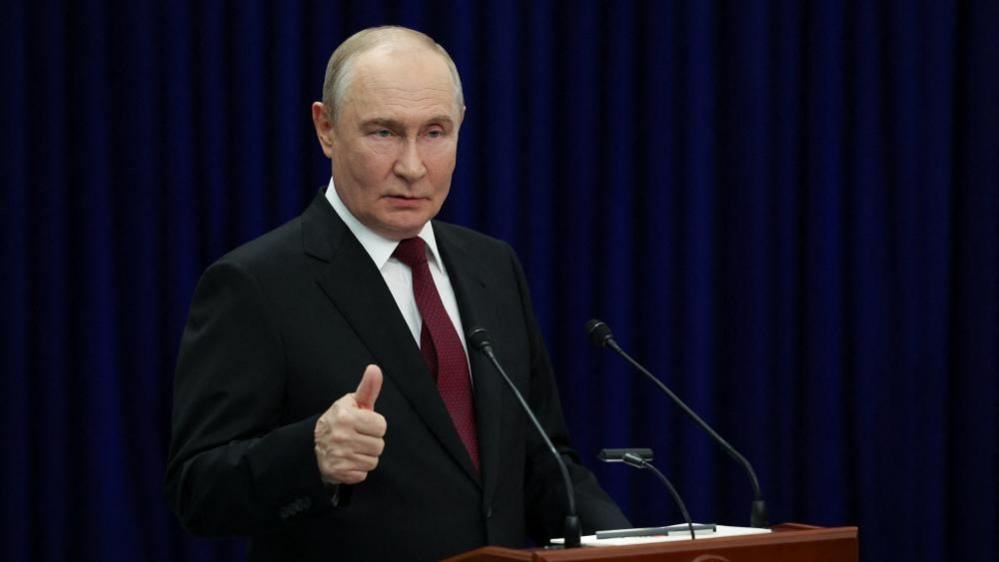
Responding to the warning, Russian President Vladimir Putin characterised the remarks as a “declaration of state terrorism.” He criticised the Ukrainian direction, asserting that Ukraine does not threaten civilian aircraft and is “not looking to cause innocent lives to be lost.”
Most Western carriers have already ceased flying over Russia since February 2022, but airlines from Turkey, China, Gulf states and other regions continue to use Russian air corridors to reduce flight time and fuel costs. They are now monitoring the situation closely and are adjusting flight plans on a day‑by‑day basis.
An X‑post from Foreign Minister Andrii Sybiha confirmed that Ukraine has formally informed the International Civil Aviation Organization that the Russian skies are unsafe for civilian aviation. He stressed that “the war is returning home to Russia” and that the goal is to prevent unintentional incidents.
FlightRadar24 data released later in the day showed that while a number of aircraft were still on Russian routes, flights into and out of the country’s two largest airports endured minor delays but relatively few cancellations. Operators said they are keeping an eye on the evolving threat and will adjust routes as needed.
Qatar Airways has stated that its flight planning remains “guided by rigorous and continuous monitoring of airspace security, safety assessments, and geopolitical developments.” Pegasus Airlines, a Turkish budget carrier, temporarily cancelled flights to Russia citing “technical and operational reasons” but indicated that future services would resume as scheduled, while FlyDubai announced it will “closely monitor the evolving situation and adjust schedules and routings as necessary.”
Historically, Ukrainian military operations have targeted Russian energy facilities and major commercial hubs. Drone strikes have repeatedly disrupted Russian airports, particularly in Moscow where all four major airports at times faced grounded operations. The military’s “Kovyor” carpet‑area defence plan instructs flights to halt if a drone is detected in the area. In an advisory for clients, Osprey Flight Solutions warned that daily strikes deep inside Russian territory could continue throughout 2026, highlighting the risk of miscalculation or misidentification in conflict zones.
The wider context of the Ukraine conflict fuels international aviation concerns. By 2014, a Russian‑made missile had downed a Ukrainian passenger jet, killing all 298 passengers. The UN aviation agency later ruled Russia responsible for the same 2014 incident. More recently, Poland-backed skeptics sought to clarify that the loss of life in 2024 was a consequence of Russian air‑defence responding to Ukrainian drones, but the Kremlin has declined to levy responsibility.
Despite Ukraine’s continued closure of its own airspace to civilian aircraft, there remains a critical need for aviation authorities worldwide to adapt operational protocols to complex geopolitical realities. The evolving threat landscape underscores that even established carriers must remain vigilant as the front of the conflict expands beyond Ukraine’s borders.