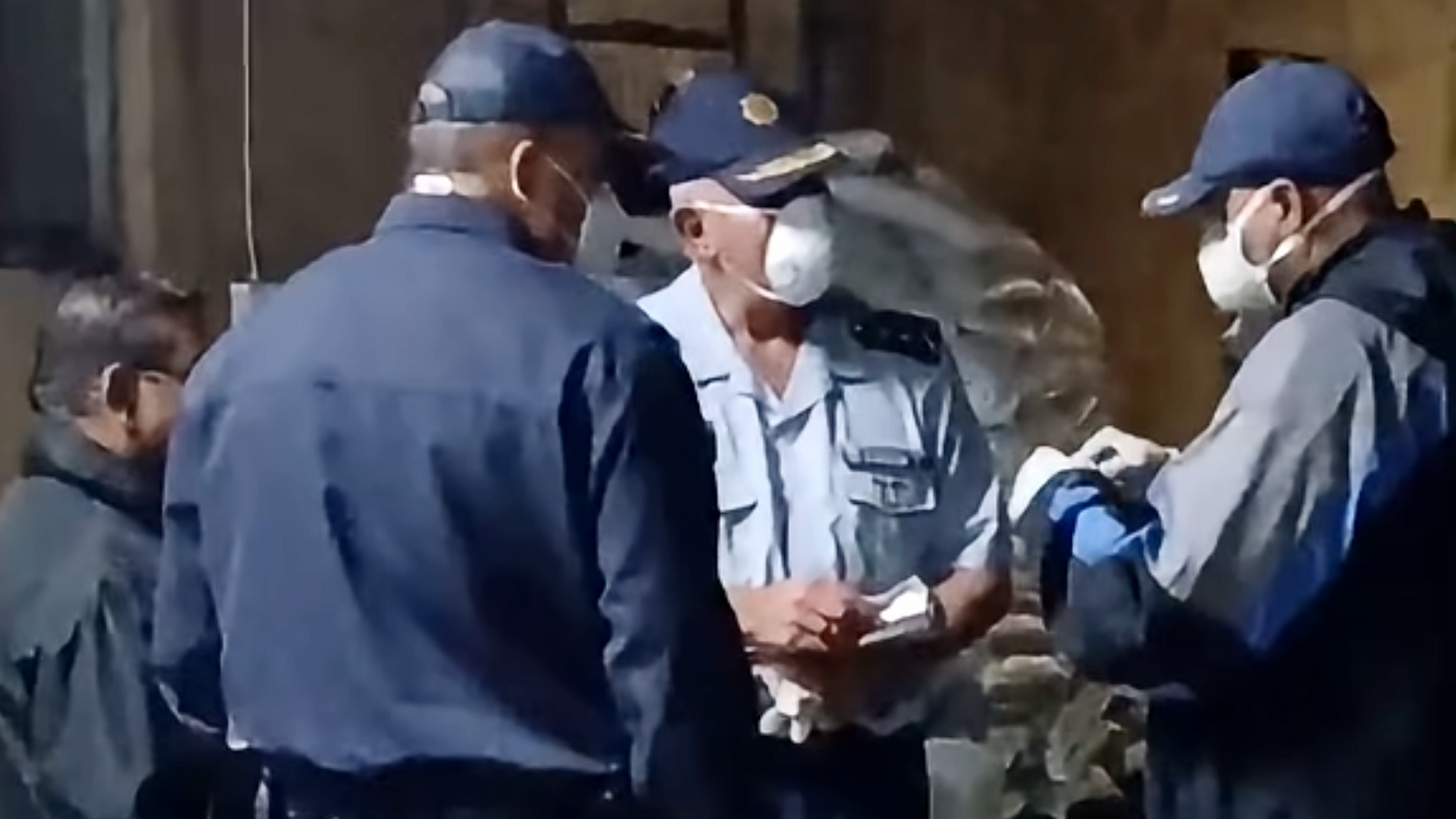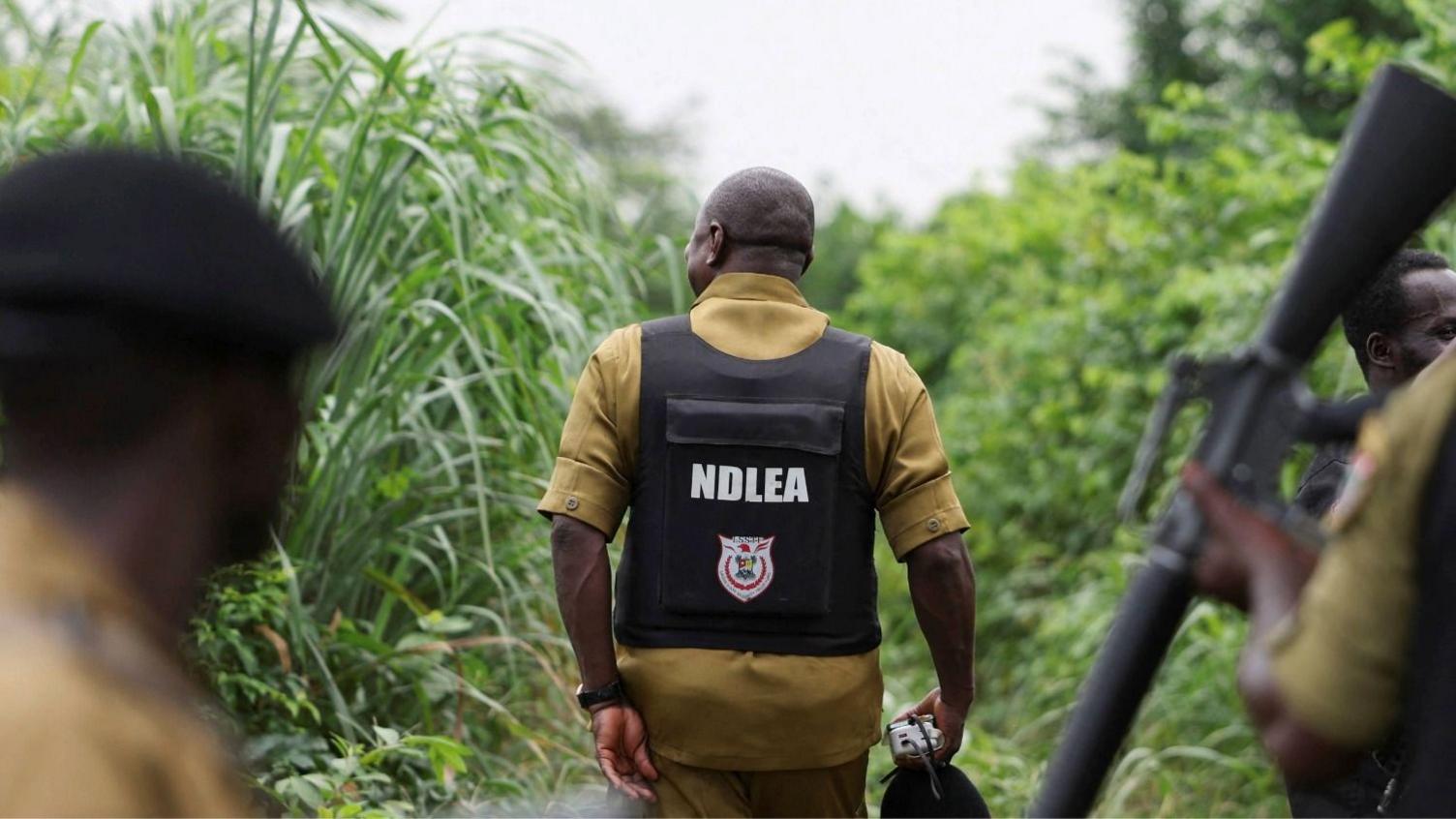
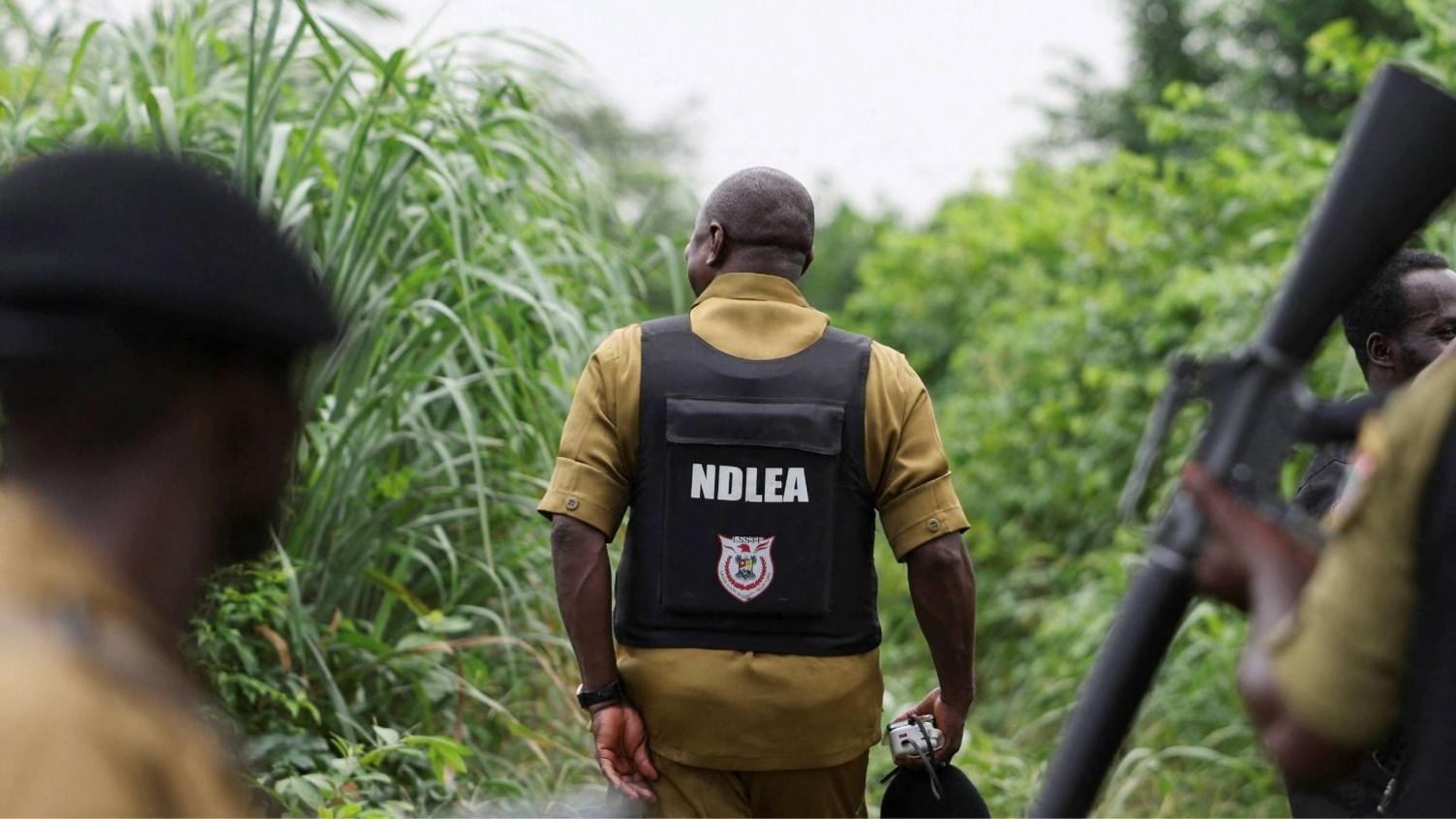
In an unprecedented move, a Nigerian court convened in a makeshift courtroom inside a clandestine meth lab deep within a Nigerian forest on the outskirts of Lagos. The raid dispersed three Mexican suspects and seven Nigerians, all handcuffed and escorted to the courthouse.
The lab was a cadre of chemical reagents: a large drum of liquid meth crystallising, vats of unprocessed, dark‑sludgy meth and piles of propane cylinders and caustic soda. The smell of ammonia and burnt plastic filled the vicinity, an ominous reminder of how dangerous synthetic drugs can be.
According to the National Drug Law Enforcement Agency (NDLEA), the operation was Nigeria’s largest ever meth bust, seizing more than two tonnes that would have been worth some $360 million, or £270 million.
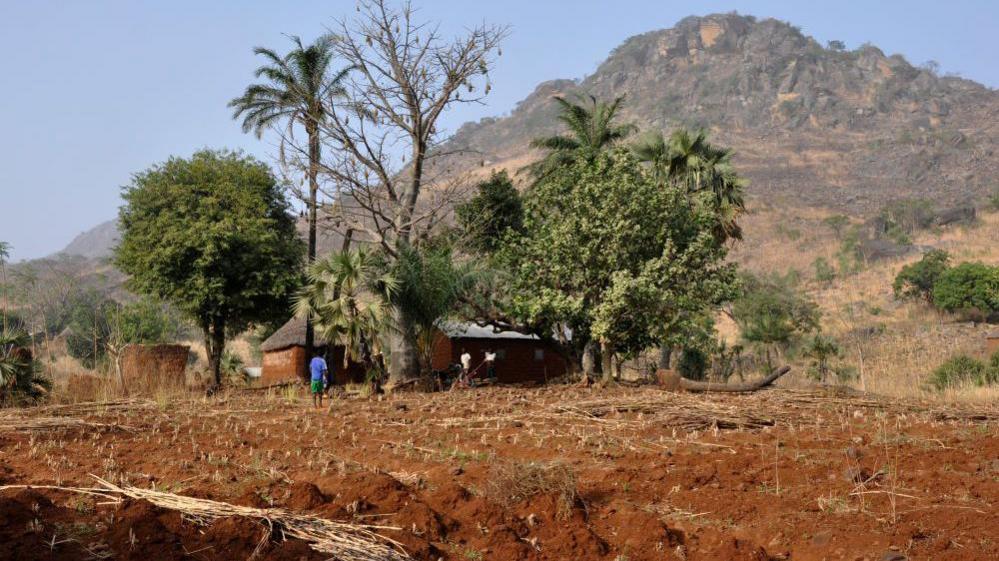
Mexico’s Sinaloa and Jalisco New General cartels have long operated on the continent, but the shift to production sites in West Africa is a new chapter. Their “cooks”, expertly fashioned a sophisticated operation in forested valleys, where they use locally sourced precursors and produce high‑purity meth that is now making its way to Europe and Asia.
US‑African Command’s James Griego, who leads counter‑narcotics operations, stressed that the cartels refine the process to produce one of the most potent strains on the global market.
The overlap of intelligence from Africom and the US Drug Enforcement Administration supports NDLEA’s raids. The cartel’s network is not just a transit corridor but a production hub, offering them a shorter supply line to lucrative markets.
West Africa’s logistical advantages—dense forest for secrecy, porous borders for smuggling, and a youthful labour market—make it an attractive base for cartel operations, according to NDLEA spokesperson Femi Babafemi. He warned that meth use could surge in Nigeria, where a 2018 survey found 14.4 % of adults had used illicit drugs, double the global average.
The Puerto‑Quechua drug markets have grown under the shadow of these labs; the law‑enforcement agencies in Nigeria and neighbouring countries are stepping up surveillance, holding temporary court hearings inside the labs themselves to deny cartels a quiet refuge. The Nigerian judiciary’s willingness to confront suspects right within the production site signals a willingness to counter the cartels before they can disseminate the drug into Nigerian communities and beyond.
Source: BBC Africa, 28 July 2026.