In brief
The Peoples Democratic Party (PDP), long seen as Nigeria’s dominant political force, is now at risk of dissolution. A decade of successive presidents and victories has been overturned by the 2015 electoral shock and a wave of defections in 2025. Internal factional battles, court wrangles over leadership and the loss of high‑ranking personalities have left the party fragmented. While hardline factions fight over ballot lines, loyalists argue the party still has a grassroots base that could be rebuilt for a future comeback. The outcome may hinge on whether the PDP can unify its warring elements or forge alliances before the next electoral cycle.
Once the undisputed juggernaut of Nigerian politics, the Peoples Democratic Party (PDP) now teeters on the brink of extinction.
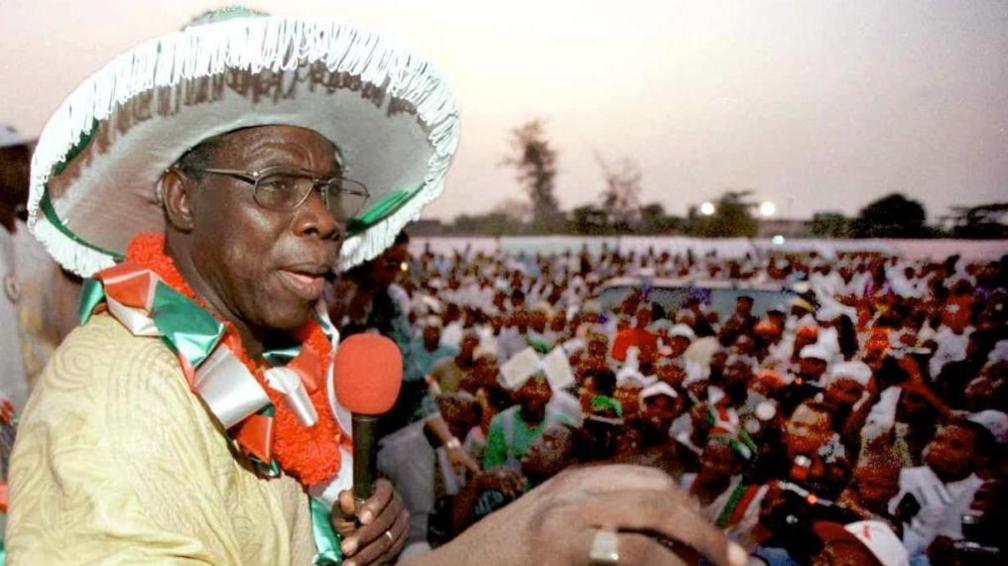
The party that ruled the country for 16 years – under presidents Olusegun Obasanjo, Umaru Musa Yar’Adua and Goodluck Jonathan – faced its first critical blow in 2015, when Muhammadu Buhari and the newly formed All‑Progressive Congress (APC) won the presidential vote. That defeat turned the PDP into an opposition force that struggled to find its footing.
In 2025 the crisis deepened. A wave of defections saw five state governors – from Delta, Akwa Ibom, Enugu, Bayelsa and Rivers – jump ship to the APC, short‑circuiting the PDP’s state‑level base. By the end of the year the party had slipped from eight to zero governorships, and its flagship city of Oyo was lost just last month.
A credential‑needing split erupted in November, when a majority‑faction convention in Ibadan declared Nyesom Wike, a party founder now a minister in President Bola Tinubu’s government, a traitor. The caravan‑pushed group was barred by court orders yet proceeded, expelling Wike and igniting a dead‑lock that left rival factions unable to present their candidates to the electoral commission.
Amidst the chaos, loyalists insist the PDP still “has a grassroots network” – offices, activists and local leaders that could be the key to a revival. Politics analyst Deji Olarenwaju sees the only lifeline as an alliance with the African Democratic Congress or Peter Obi’s Nigeria Democratic Congress.
The next few years will test whether the PDP can reconcile its factions, restore voter trust and re‑enter the ballot as a realistic contender. The party’s future hangs in the balance, with the specter of extinction looming if unity is not restored before the next election cycle.