In brief
In July, four Flock Safety cameras were vandalised in Houston’s affluent Old Braeswood neighbourhood, highlighting growing concerns over the nationwide spread of AI‑powered surveillance. The incident drew attention to Flock’s expansive network that claims to be used by more than 7,000 communities, raising questions about data retention, access, and potential misuse. Critics argue that cameras, which record the rear of every passing vehicle, blur the line between safety and unjust mass surveillance. Law enforcement officials defend the technology as essential for crime‑solving, noting significant reductions in thefts and missing‑person recoveries, yet some jurisdictions have begun cancelling contracts in response to privacy fears and incidents involving law‑enforcement overreach. As the technology matures, policymakers are calling for stricter guardrails and greater transparency to balance security and civil liberties.
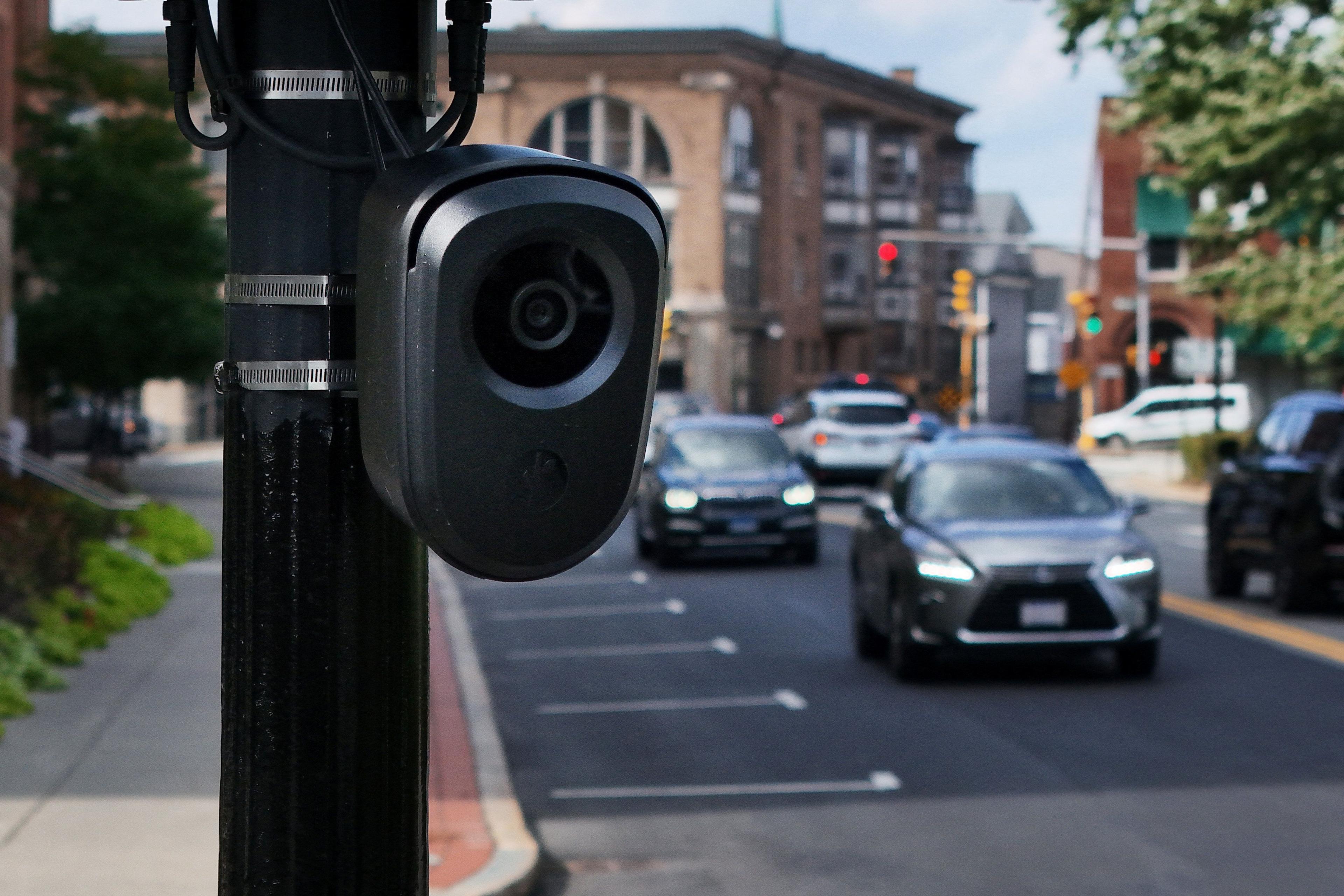
On a quiet July night, residents of Houston’s tree‑lined Old Braeswood neighbourhood woke to the sight of four black oval Flock Safety cameras lying on the ground, their metal poles severed. The vandalised devices, each mounted on a solar panel and bearing a red “Notice. 24/7 video recording” sign, raised an immediate question: why target a system that proponents claim is making communities safer?
Flock Safety, founded in 2017, has grown into one of the country’s largest providers of Automatic Licence Plate Readers (ALPRs). Its cameras capture an image of the rear of every passing car, storing footage for a company‑set period. Though the firm reports serving over 7,000 communities with roughly 100,000 cameras nationwide, the precise scale and usage of the network remain opaque, sparking debate over privacy and oversight.
The Network Behind the Cameras
Documents released to the BBC revealed that same‑city metropolitan transit authorities access thousands of remote cameras beyond their own installations. For instance, Houston’s METRO Transit Authority’s 35 local cameras grant it insight into a network of roughly 20,000 Flock systems spread as far east as Albany County, New York. As Flock’s database expands, law‑enforcement agents report being able to conduct searches that separate a vehicle’s licence plate from contextual details—such as “Caucasian male, blue shirt”—a capability absent from older, purely ALPR devices.
One high‑profile example involved a Kentucky officer charged with using Flock to track a former partner over 2,000 times, triggering a new AI‑driven audit tool that flagged misuse. Critics argue such breadth of data can “scrape out our routes to work, where our children go to school, and where we worship,” a line echoed by Texas Civil Rights Project lawyer Christopher Rivera.
Community Pushback and Contract Cancellations
Despite endorsements from police departments—such as Houston’s Memorial Villages police reporting a jump from three stolen-car recoveries a year to 45 after adopting Flock—many cities are pulling the plug. In August alone, 90 of 200+ communities discontinued service, citing costs and data‑privacy concerns. The San‑Diego‑based advocacy group Secure Justice reported these mass cancellations, prompting federal lawmakers to propose legislation enforcing warrant‑based access to Flock datasets.
Flock’s CEO, Garrett Langley, maintains that the company merely provides technology and leaves jurisdictional policy to local governments, yet the organization has subsequently tightened retention periods from 30 to 7 days for default storage and introduced mandatory audits. Critics, however, remain skeptical of whether this slow‑roll adjustment sufficiently protects civil liberties.
Fears of Federal Collaboration and ICE
Immigrant rights activist Jasmine Khadem Gonzalez voices concern that the Flock database might inform federal immigration enforcement. Although the U.S. Immigration and Customs Enforcement (ICE) agency has no direct contract with Flock, there have been reported cases of law‑enforcement officers citing “immigration” as a search rationale. Khadem, fearing surveillance might impact her pending green‑card extension, now alters her commute to avoid predictable patterns.
The Bigger Picture
As the technology evolves, a new class of cameras—those that read facial features using platforms such as Clearview AI—is already in operation in parts of Texas. The Harris County Sheriff’s Office, for example, maintains a contract that spans to March 2027 for a database containing over 70 billion images sourced from social media. While such tools can aid investigations, they also raise questions about bias, false identification, and the erosion of privacy.
In sum, the incident at Old Braeswood highlights a national conversation: can a surveillance system that promises safety coexist with public confidence in privacy and civil rights? The answer appears to hinge on transparent oversight, clear policies on data use, and a public dialogue that balances law‑enforcement needs with individual freedoms. The vandalism may be damaging on the surface, but it signals a deeper reckoning with how we shape cities in the age of AI.