In brief
Amid a wave of riots that saw historic sites set on fire and thousands arrested, France’s president has limited Saturday’s demonstrations to authorised unions. The decree follows Lyon and Nice’s blanket bans and a 20% police deployment increase. Authorities say 'illegitimate' marches will be prohibited while unions receive 'alternative routes.' The move comes as Macron heads into his final campaign season, and as courts begin to sentence riot participants.
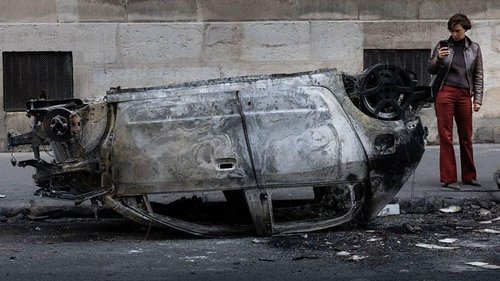
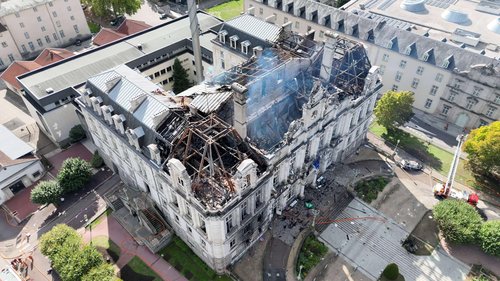
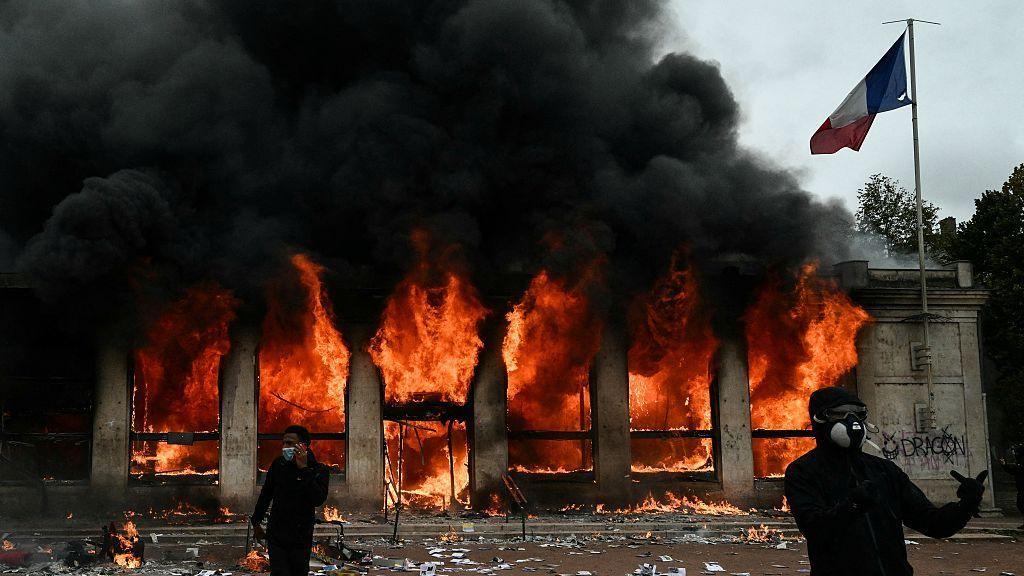
President Emmanuel Macron has ordered that only authorised union demonstrations will be permitted on Saturday in French cities, a decision that follows a weekend of violent protests that saw historic buildings torched and police arrested more than 2,700 people.
The decree, announced after Lyon and Nice had prohibited all demonstrations for the day, promises that unions will be offered ‘alternative routes’ by prefects, while ‘illegitimate’ marches will face bans.
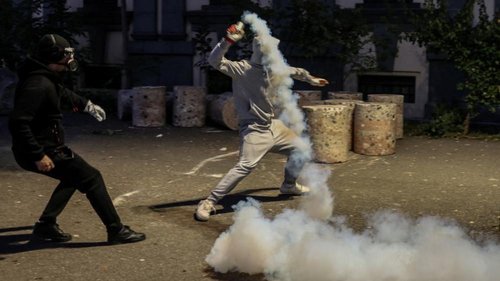
Saturday’s demonstrations—initially sparked by soaring fuel prices and a cost‑of‑living backlash that drew some 550,000 participants—were quickly overtaken by looting and rioting, leaving the city’s tourism office and a street‑corner courthouse ablaze.
Interior Minister Jean‑Didier Berger said police would be calibrated for a 20 % increase in deployment for the coming weekend, a move that follows the government’s claim of being blindsided by the scale of the unrest.
Courts have already committed 217 defendants to jail from the weekend’s unrest, with the number expected to rise as more people appear before magistrates, while 1,000 people have already tried to face their sentences.
Political commentators characterise the violence as a threat to the Republic, with far‑left groups accused of inciting ‘seditious acts.’ The unrest has come at a crucial time, as President Macron faces a campaign for the 2027 election in the next few months.
Official statements from prefects indicate that the Lyon authorities have imposed a blanket ban on demonstrations for Saturday, an approach mirrored in Toulon, Rouen, and Grenoble. Many cities have also enacted partial curfews targeting youths to curtail gatherings.
The government’s action is seen as a balancing act between preserving public order and allowing dissenting unions to exercise their right to protest. Whether the new restrictions will curtail further violence remains to be seen as Paris, Marseille, and other capitals prepare for the Saturday demonstrations.