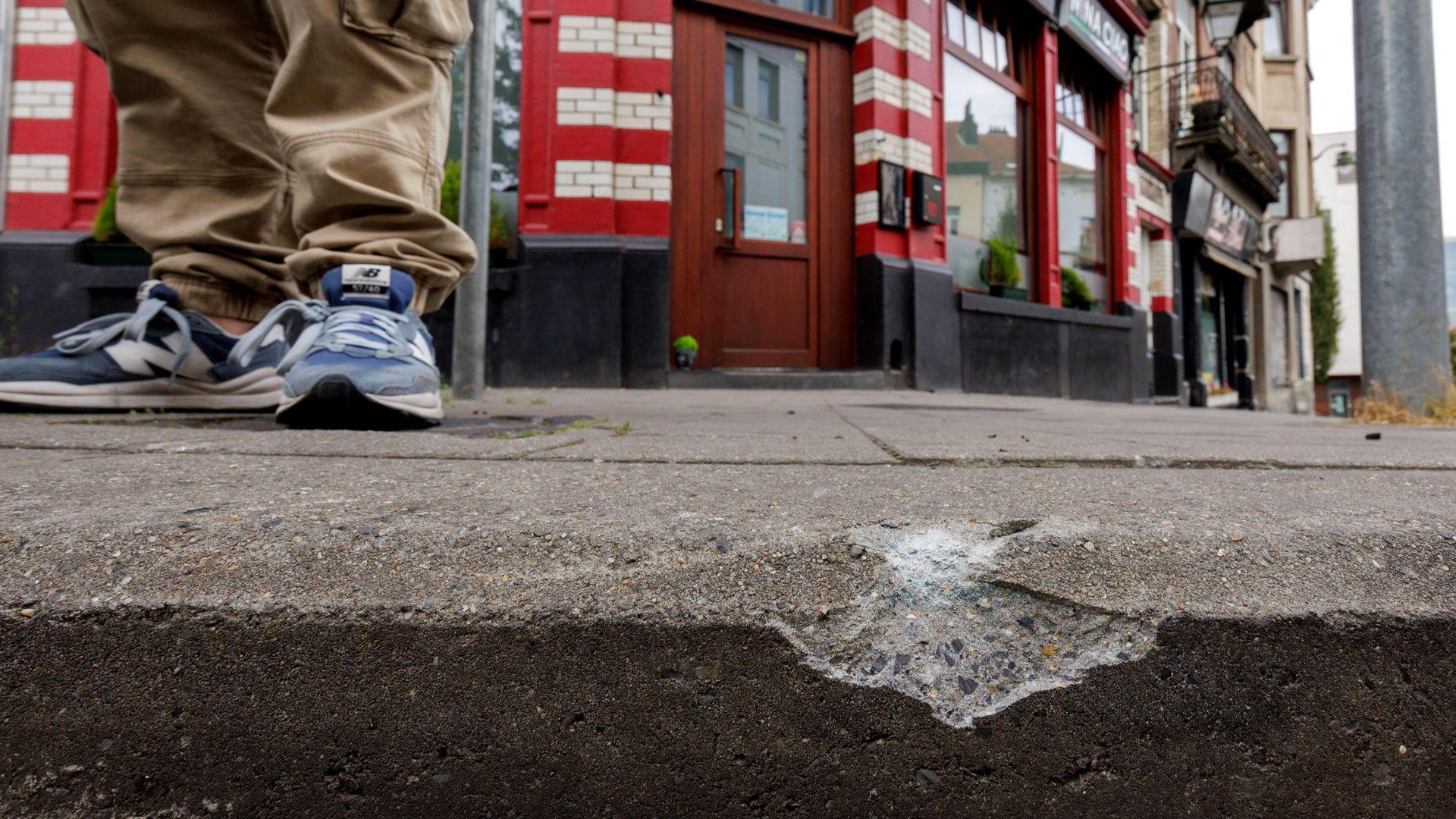
On Monday night, the quiet streets of Brussels’s St Gilles turned chaotic when drug‑related gunmen turned Salvatore’s pizzeria into a crime scene. Surveillance footage shows bullet impacts dotted on the wall and the exteriors of nearby terraces, as clients fled the terrace with children in tow.
The Escalating Trend
The Dutch‑based charts are stark: over 100 drug‑trafficking shootings in 2025 alone, with more than 65 in the first six months of 2026. In St Gilles, the third shooting in just three days has residents fearing an American‑style gangster film playing on the streets.
Community Voices
"We've always called them polite, decent. Now the street has nothing but bruises and fear," says Murielle, 70, who watches the wrecked spot from her balcony.
She recalls a day before when a suspected dealer was hit in the leg, and the pool of blood still stains street tiles. Her dog Chéva sits calmly beside her, offering a surreal calm amid broken peace.
Police Perspective
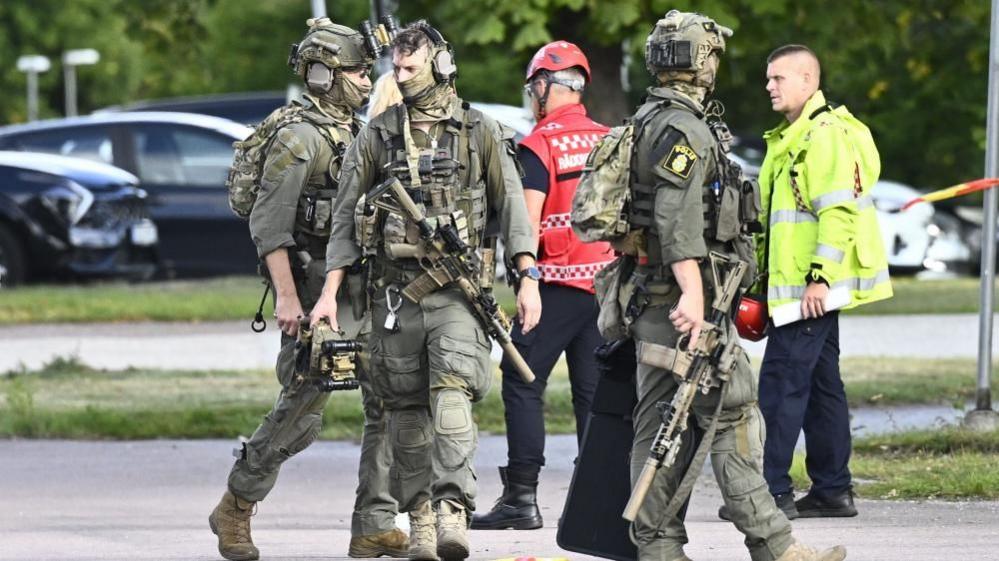
"There is no magic solution; we need prevention over repression," says chief of Brussels South Police, Jurgen de Landsheer, standing on a rooftop in a blue shirt as police cars circle the area.
The chief warns that gangs now hold tools typical of Marseille violence: AK‑47s, heavy weaponry, and young recruits as shy as 12 years old. He notes that a single stray bullet can end a life.
Broader Context
The uptick is tied to the European drug economy. Antwerp’s port, only 40 km away, has seized cocaine record volumes in recent years, feeding a network that turns Brussels into a distribution hub. The city now hosts over 200 active drug‑dealing points, earning up to €50,000 a day for traffickers, according to police estimates.
Government Response
Facing the crisis, interior minister Belgium announced the addition of 40 police officers in the trouble zone. Yet, as de Landsheer reminds, law‑enforcement alone will not restore order.
"We can do our part and be present on the street, but our society also needs to give the young people hope, to do something with them," he stresses, reflecting a social angle to counteract the cycle of crime.
Back in St Gilles, local businesses feel the shock: property values are dropping as people consider moving out. Residents like Salvatore call for the violence to end, fearful of what tomorrow may bring.
For now, the city’s streets echo with gunfire, warnings, and the urgent need for both policing and preventive social programs. The next chapter is uncertain, but the concrete debate has begun.