In brief
In July 2026, dozens of villagers in Zamfara state were murdered by motorcycle bandits who burned homes, shot those who fled, and commandeered the village. Fatima, a 55‑year‑old widow, reports that seven of her family, including her husband, were killed while she and children were displaced to a temporary camp in Gusau, where food was scarce and security was tenuous. The violence reflects a surge in bandit activity across northwest Nigeria, as noted by UN monitoring bodies and government reports. Local militias and government‑backed vigilantes are now filling the gaps in security but raising concerns about extrajudicial control. Fatima’s story highlights the growing crisis of kidnappings, terror, and displacement threatening millions in the region.
In July 2026 the village of Bia Buki in Zamfara state faced a brutal raid by motorcycle‑driven bandits who set a room on fire when villagers sought refuge inside, and shot anyone who tried to escape. The attackers split into three groups—at the entrance, in the centre and at the back—advancing with up to 100 motorcycles, each carrying about three men.
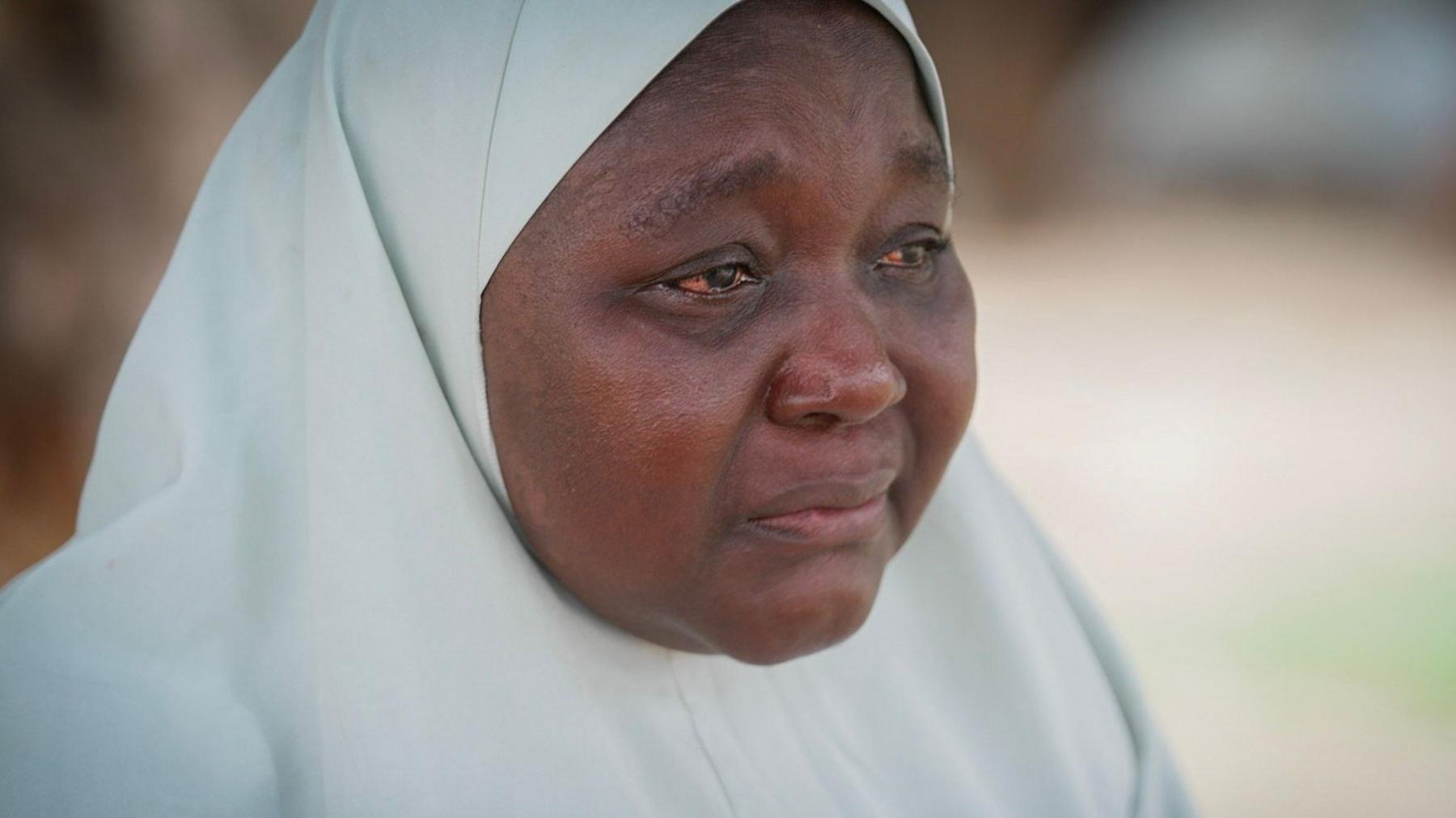
Fatima, 55, whose husband and six of his seven siblings were among the victims, fled with her seven children to the nearby forest and then to the state capital Gusau, where a makeshift camp now houses roughly 1,000 residents. Food is scarce, aid is irregular, and children have been kidnapped when gathering firewood.
The violence is part of a wider surge of motorcycle banditry across northwest Nigeria. According to data from the conflict monitoring group Acled, incidents increased 78 % in the first half of this year compared to the same period last year, while the UN’s National Human Rights Commission reports a doubling in kidnappings nationwide.
Government‑backed vigilante groups have stepped in to fill gaps left by overstretched army and police forces, yet concerns abound: in 2020 Zamfara banned a large vigilante group for alleged extrajudicial killings, and critics warn that arming civilians may create a “time bomb” when the crisis subsides.
Across the country, the interlocking security crises—from Islamist insurgencies in the north‑east to separatist unrest in the south‑east—stretch Nigeria’s security apparatus thin. Despite a 10 % increase in the defence budget and the recruitment of 28,000 new soldiers, many communities still feel unsafe.
Fatima urges the government to intensify security measures, noting that villages once vibrated with confidence are now empty, survivors speak in hushed tones, and the presence of a bandit leader has turned former homes into fortresses of terror.
Learn more about Nigeria’s security challenges and the humanitarian impact of bandit violence through BBC’s Africa coverage.