In brief
The Israeli Defence Forces closed all West Bank crossings on the day of Israel’s election, banning Palestinian workers from entering settlements amid a crackdown that began after two soldiers were killed by gunmen. Demolitions in Hebron displaced roughly 2,000 residents, and economic activity in the West Bank has been sharply curtailed. The timing of the restrictions fuels accusations of a strategy to secure far‑right and settler votes, while opposition groups call for accountability and a state inquiry.
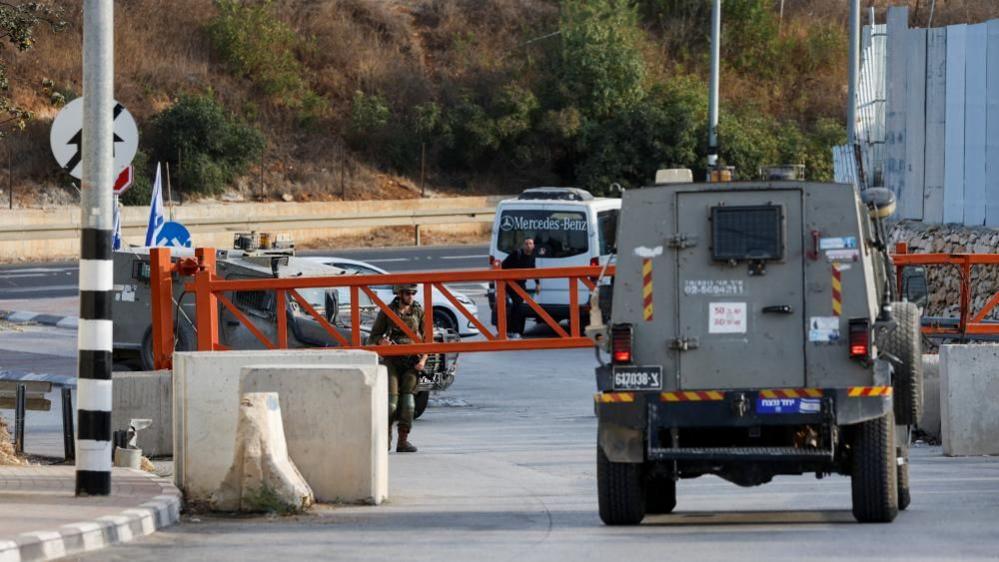
On the day of Israel’s October 25 election, the Israeli Defence Forces ordered the closure of all West Bank land crossings and barred Palestinian workers from entering settlements.
The move follows the killing of two Israeli soldiers by Palestinian gunmen at a checkpoint in Judea and Samaria, triggering a sharp surge in security measures and a wave of demolitions across the occupied territory.
The IDF said the "ban on the entry and exit of Palestinian workers throughout Judea and Samaria, the Jordan Valley, and industrial zones" would take effect immediately, with a near‑total halt to cross‑border traffic except for a handful of limited areas.
Prior to the Hamas‑led October 7 2023 attack, more than 100,000 Palestinian workers crossed into Israel each week. Only a small fraction have been permitted to return since the conflict erupted.
In Hebron, the army has cordoned the city and uprooted hundreds of homes in an operation that displaced roughly 2,000 residents, according to Defence Minister Israel Katz. Video footage shows a street laid flat but the police claim the actions target al‑shahadat suspected of supporting militant attacks.
The timing of the restrictions, leading up to the national vote, points to a coalition strategy aimed at consolidating support from far‑right voters and settler communities. Hebron’s mayor, Youssef al‑Jaabari, criticised the operation as "driven by the elections."
Nationally, opposition and protest groups called for government accountability. An anti‑government march in Tel Aviv attracted thousands, including leaders from four opposition parties who formed the October Council to push for a state commission of inquiry.
The tightening of movement controls has intensified humanitarian concerns, sharply reducing employment opportunities for Palestinians and deepening the economic impact in the West Bank during a politically volatile period.