In brief
An explosive finish to Brazil’s election saw Lula edge out Bolsonaro by a razor‑thin margin, securing a historic fourth presidency on a single ballot. The result, decided in the last moments of voting, underscores a country deeply divided along ideological lines. Political analysts note Lula’s campaign leveraged a last‑minute surge on social media, turning a narrowly opened race into a decisive win. The crushing victory raises pivotal questions for Brazil’s future, from economic policy to its role on the global stage. In this piece we unpack how Lula’s survival tactic played out on the electoral battlefield.
On the final day of Brazil’s presidential race, voters in Brasília turned the tide for former president Luiz Inácio Lula da Silva, who edged out federal deputy Flávio Bolsonaro by a crawl of a few thousand ballots—a margin that underscores the country’s deep ideological split.
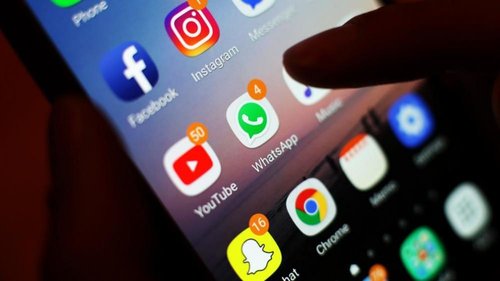
The contest, set against a backdrop of economic uncertainty and social unrest, had been viewed as a free‑for‑all of opinions. Lula’s campaign, rekindled by a late‑night social‑media onslaught, managed to mobilise a significant turnout in key urban centres, translating petulant hope into votes. Bolsonaro, meanwhile, faced a lack of campaign vigor and mounting scepticism over his handling of recent crises, weakening his support base.
Observers note that this win marks the first time a Brazilian incumbent has secured a third consecutive term, a testament to Lula’s resilience and strategic campaigning. The result ends a turbulent period of political oscillation, signalling a possible shift toward more progressive domestic policy.
Politically, the campaign demonstrates the potency of digital mobilisation; Lula’s team used targeted messaging to energise older demographics that traditionally lean left, effectively narrowing Bolsonaro’s footprint. Analysts point out the pragmatic choice to avoid polarising rhetoric, instead focusing on economic revitalisation and social welfare plans that appeal to a broad coalition.
Moreover, the victory places Lula in a position to shape Brazil’s foreign policy, potentially realigning it with left‑leaning administrations in Latin America. One of the key questions now is how he will navigate international trade agreements and climate‑policy commitments while maintaining domestic support.
As the nation prepares to transition to a new chapter, the eyes of the world turn to Brazil. The implications of Lula’s strategic survival maneuver will ripple through both regional alliances and global economic markets.