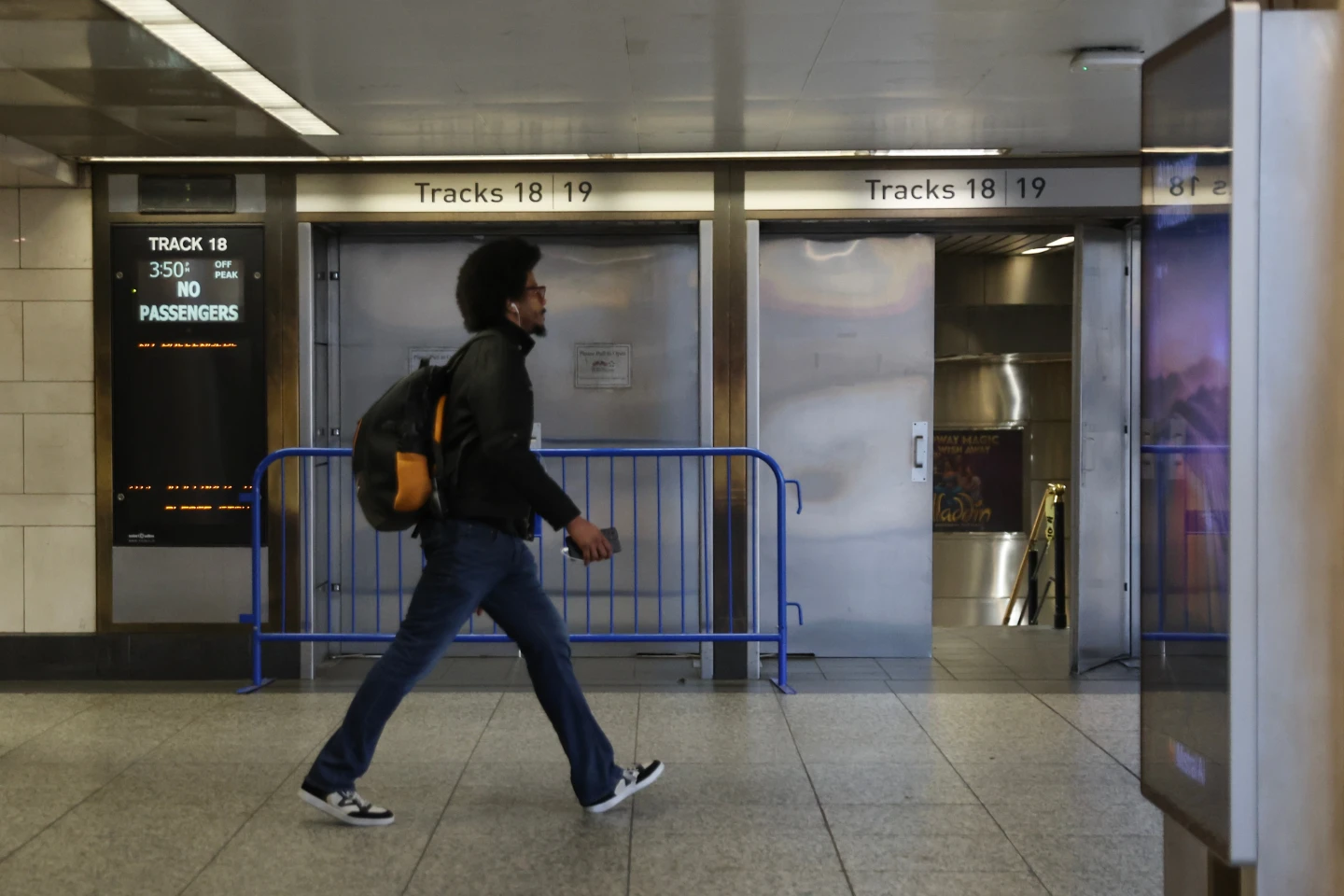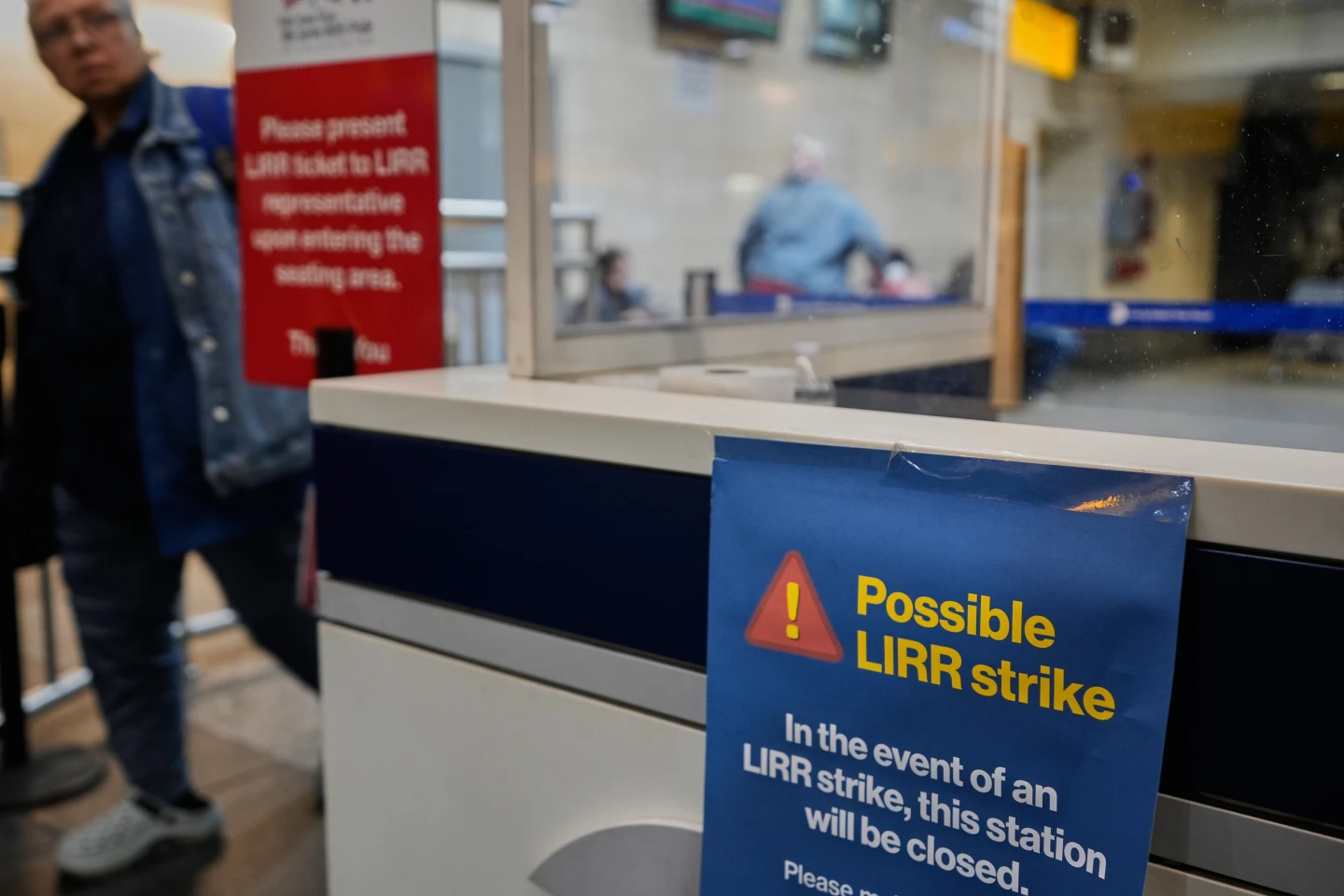
NEW YORK (AP) — Workers on New York’s Long Island Rail Road are on strike, union officials announced early Saturday, effectively paralyzing the busiest commuter rail system in North America.
Five labor unions representing about half of the system’s 7,000 workers, including locomotive engineers, machinists, and signalmen, declared the walkout after contract negotiations with the Metropolitan Transportation Authority (MTA) ended without a resolution Friday night. No further negotiations are scheduled, leaving commuters in the lurch.
Kevin Sexton from the Brotherhood of Locomotive Engineers and Trainmen expressed regret over the situation, stating, We’re far apart at this point. We are truly sorry that we are in this situation.”
The MTA chairman, Janno Lieber, stated that the agency had complied with the unions' pay demands, accusing them of intending to strike all along. The strike could displace the approximately 250,000 daily riders who depend on the LIRR to travel into New York City, forcing many to seek alternative routes or work from home.
Commuters are bracing for a challenging situation, with increased vehicle traffic and lengthier travel times anticipated. Governor Kathy Hochul has recommended that LIRR riders work remotely and indicated that limited shuttle buses will be available to assist essential workers during high-demand hours.
The union and MTA have cited a dispute over wage increases, with the union seeking a 16% raise over four years to keep pace with inflation. The MTA contends that meeting this demand could lead to fare increases.
Many commuters, including electrician Rob Udle, who regularly travels to Manhattan, expressed their frustration and disbelief over the strike's impact. “It’s gonna be such a nightmare trying to get in,” he remarked as he awaited a train at Penn Station. Plans for essential travel over the weekend, such as attending NBA playoff games or baseball matches, are now uncertain.
With the potential for ongoing disruption, commuters are left to ponder their options and adjust to a sudden change in their daily routines. The last LIRR strike took place in 1994, lasting two days, underscoring the severity and rarity of such actions in the region.