Mozambique's political landscape remains tense following disputed elections that claimed around 300 lives in unrest. Venâncio Mondlane, the main opposition leader, has publicly stated his willingness to serve in the government of President Daniel Chapo, provided Chapo adheres to certain demands aimed at restoring stability. Chapo's administration has hinted at an inclusive approach, with discussions underway about possible collaboration with opposition figures.
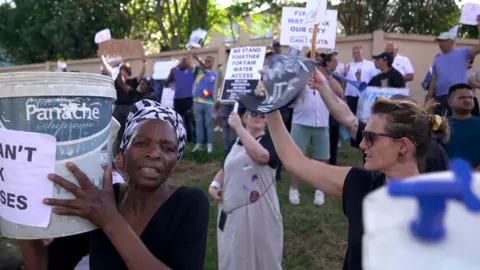
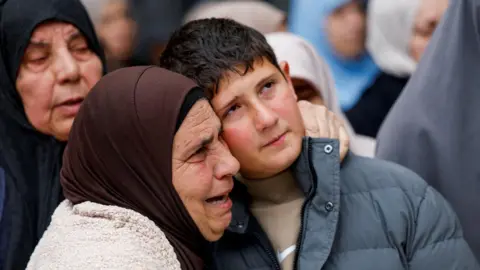
After experiencing a contentious election in October, Mondlane rejected the outcome, which saw Chapo's ruling Frelimo party declared the winner with 65% of the vote. Mondlane, who positioned himself as the "people's president" during a parallel inauguration ceremony, argues that Chapo's victory was achieved through electoral manipulation. With a growing sense of urgency, he has suspended protests for the initial 100 days of Chapo's presidency, contingent on the release of approximately 5,000 detained protestors and compensation for families affected by police violence.
During his interview, Mondlane emphasized that if Chapo demonstrated a genuine commitment to dialogue, he would be willing to join forces to advance reform. Chapo conveyed a desire to implement changes in electoral laws and human rights policies while promoting inclusivity within the governance structure, albeit with criteria regarding merit and patriotism.
As Mozambique navigates this precarious moment, Mondlane's prospect of joining Chapo's government could signify a pivotal shift towards reconciliation. Both leaders are now faced with the challenge of overcoming historical divides and ushering in a new era of cooperation amidst lingering societal tensions.