Israeli Prime Minister Benjamin Netanyahu has ordered his government to begin direct talks with Lebanon, he said in a statement on Thursday. Netanyahu stated that the discussions will focus on the disarmament of Hezbollah, the Iran-backed Lebanese political and militant group, and establishing peaceful relations.
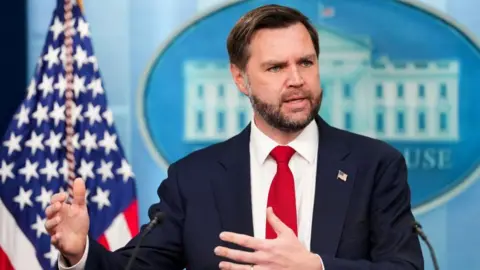
A US State Department official confirmed it will host a meeting next week to discuss ongoing ceasefire negotiations with Israel and Lebanon. Lebanese officials have called for a ceasefire before talks commence, however, Netanyahu responded to residents of northern Israel asserting that there is no ceasefire in Lebanon.
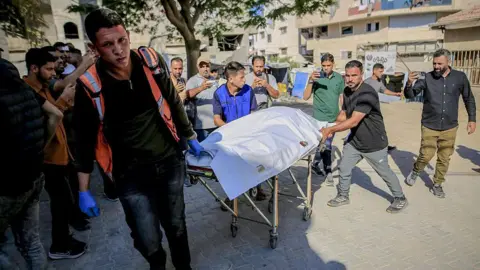
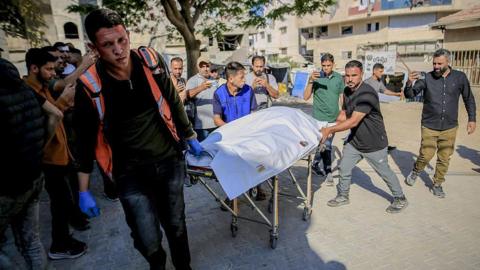
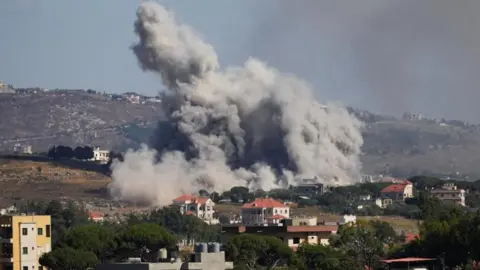
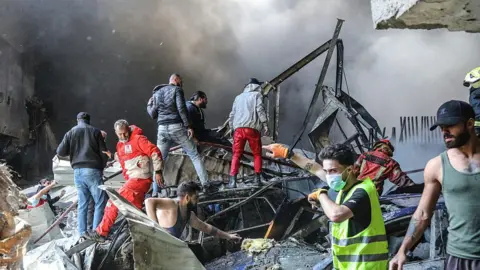
This announcement follows a massive wave of Israeli airstrikes on Lebanon, which, according to Lebanon's health ministry, resulted in the deaths of 303 people, with 1,150 others injured. These strikes pose a significant threat to the fragile ceasefire that involves the US, Israel, and Iran.
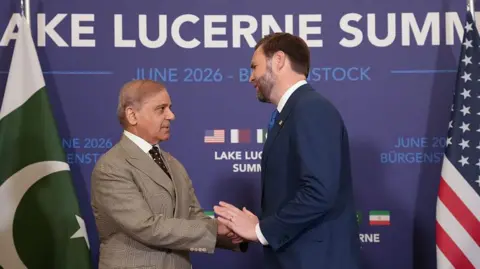
Confusion has surrounded the ceasefire situation, particularly regarding whether Lebanon was included. Iranian officials and mediators from Pakistan indicated it was, while US and Israeli officials denied this. The recent Israeli military strikes against Lebanon were some of the heaviest since the ongoing conflict began six weeks ago and prompted Iran to accuse Israel of violating ceasefire terms, leading to threats of retaliatory measures.
Israel continues to occupy a substantial part of southern Lebanon and has conducted extensive destruction of villages. Without a temporary ceasefire commitment, the potential for productive dialogue remains uncertain. Additionally, the capacity of the Lebanese government to influence Hezbollah’s actions is in question, given its backing by Iran.
Following the cabinet meeting in Lebanon, Prime Minister Nawaf Salam called for a reinforcement of state authority in Beirut, instructing security forces to restrict weapons in the area exclusively to state institutions. Netanyahu's office welcomed this move, emphasizing that peace negotiations will revolve around disarming Hezbollah and fostering better relations with Lebanon.
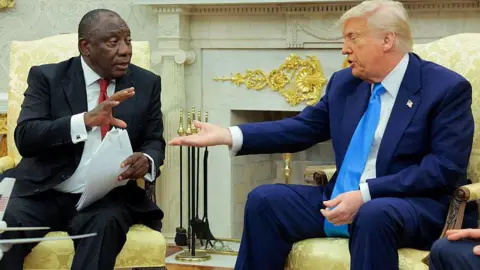
Netanyahu's statements came after discussions with US officials who urged a reduction in Israeli military actions and urged the opening of negotiations. Direct negotiations are expected to commence next week in Washington, with Lebanese President Joseph Aoun previously asserting that a ceasefire is the only viable solution to the conflict. The ongoing violence has escalated due to Hezbollah's retaliatory actions following the killing of Iran's supreme leader in the war’s early stages. As the fighting continues, the civilian toll has risen significantly, highlighting the urgent need for diplomatic resolutions.
A US State Department official confirmed it will host a meeting next week to discuss ongoing ceasefire negotiations with Israel and Lebanon. Lebanese officials have called for a ceasefire before talks commence, however, Netanyahu responded to residents of northern Israel asserting that there is no ceasefire in Lebanon.
This announcement follows a massive wave of Israeli airstrikes on Lebanon, which, according to Lebanon's health ministry, resulted in the deaths of 303 people, with 1,150 others injured. These strikes pose a significant threat to the fragile ceasefire that involves the US, Israel, and Iran.
Confusion has surrounded the ceasefire situation, particularly regarding whether Lebanon was included. Iranian officials and mediators from Pakistan indicated it was, while US and Israeli officials denied this. The recent Israeli military strikes against Lebanon were some of the heaviest since the ongoing conflict began six weeks ago and prompted Iran to accuse Israel of violating ceasefire terms, leading to threats of retaliatory measures.
Israel continues to occupy a substantial part of southern Lebanon and has conducted extensive destruction of villages. Without a temporary ceasefire commitment, the potential for productive dialogue remains uncertain. Additionally, the capacity of the Lebanese government to influence Hezbollah’s actions is in question, given its backing by Iran.
Following the cabinet meeting in Lebanon, Prime Minister Nawaf Salam called for a reinforcement of state authority in Beirut, instructing security forces to restrict weapons in the area exclusively to state institutions. Netanyahu's office welcomed this move, emphasizing that peace negotiations will revolve around disarming Hezbollah and fostering better relations with Lebanon.
Netanyahu's statements came after discussions with US officials who urged a reduction in Israeli military actions and urged the opening of negotiations. Direct negotiations are expected to commence next week in Washington, with Lebanese President Joseph Aoun previously asserting that a ceasefire is the only viable solution to the conflict. The ongoing violence has escalated due to Hezbollah's retaliatory actions following the killing of Iran's supreme leader in the war’s early stages. As the fighting continues, the civilian toll has risen significantly, highlighting the urgent need for diplomatic resolutions.