In a chilling indication of the current political climate in Iran, the number of political executions has surged since the start of the recent war. Mehrab Abdollahzadeh, a voice from death row, expressed desperation as he stated, 'This may be the last time you hear my voice.' Abducted amid the nationwide protests that erupted following the death of Mahsa Amini, Abdollahzadeh faced forced confessions under duress and torture before his recent execution.
The UN has verified at least 32 political prisoner executions since February, revealing a drastic increase in politically motivated deaths contrasting the 45 such executions reported in the entirety of 2025. As the Iranian authorities tighten their grip on dissent through the death penalty, allegations of human rights violations continue to mount, with victims increasingly coming from marginalized communities.
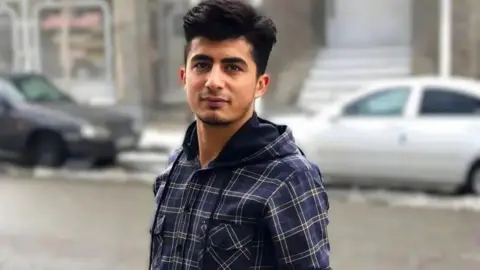
The UN's Human Rights Office has raised alarms regarding the use of the death penalty as a weapon to silence political dissent. Individuals, including 21-year-old karate champion Sasan Azadvar—executed for alleged 'moharabeh'—face consequences often for actions that do not meet international legal standards necessitating the death penalty. The pervasive climate of fear and repression during this turbulent period indicates that authorities are leveraging executions to reassert control amid multiple internal and external crises.
As activists continue to speak out against these violations, there are growing calls for international scrutiny and intervention to safeguard the rights of political dissidents in Iran.
The UN has verified at least 32 political prisoner executions since February, revealing a drastic increase in politically motivated deaths contrasting the 45 such executions reported in the entirety of 2025. As the Iranian authorities tighten their grip on dissent through the death penalty, allegations of human rights violations continue to mount, with victims increasingly coming from marginalized communities.
The UN's Human Rights Office has raised alarms regarding the use of the death penalty as a weapon to silence political dissent. Individuals, including 21-year-old karate champion Sasan Azadvar—executed for alleged 'moharabeh'—face consequences often for actions that do not meet international legal standards necessitating the death penalty. The pervasive climate of fear and repression during this turbulent period indicates that authorities are leveraging executions to reassert control amid multiple internal and external crises.
As activists continue to speak out against these violations, there are growing calls for international scrutiny and intervention to safeguard the rights of political dissidents in Iran.