In brief
In a surprising turn, Ireland will not participate in this year's Eurovision Song Contest, aligning itself with a protest against Israel's inclusion following the ongoing conflict in Gaza. The boycotting nations include Iceland, the Netherlands, Slovenia, and Spain. Irish broadcaster RTÉ has opted to air an episode of 'Father Ted' instead, citing humanitarian concerns over the loss of lives in Gaza. The decision has sparked discussions regarding cultural boycotts and the political implications of participation in the event amidst international tensions.
From Johnny Logan and Dana to years of dominance in the early 1990s, Ireland has a storied history with the Eurovision Song Contest.
Ordinarily the country, which holds the joint record for most wins with Sweden, would join the rest of Europe in eagerly awaiting Saturday's grand final. But not this year.
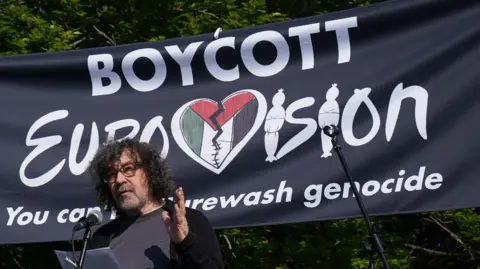
Ireland is one of five countries, alongside Iceland, the Netherlands, Slovenia, and Spain, boycotting the contest over the European Broadcasting Union's (EBU) decision to allow Israel to participate.
The competition will feature no Irish entrant, and national broadcaster RTÉ will instead show a Eurovision-themed episode of sitcom Father Ted.
This boycott is part of a wider trend reflecting Ireland's recent stance on the Israel-Palestine conflict. It demonstrates Ireland's position as one of the most pro-Palestine nations in Europe, especially in light of the war in Gaza which began with a Hamas attack on October 7, 2023. Irish concerns over humanitarian crises led RTÉ to declare that participation in Eurovision under current circumstances would be unconscionable.
Israeli broadcaster Kan criticized the absence of Ireland as a cultural boycott that harms freedom of creation and freedom of expression. Yet, this decision has garnered support among younger generations in Ireland and sparked debates within the Jewish community regarding its implications and progression.
As RTÉ airs an episode of Father Ted, polar opinions emerge from the streets of Dublin. Many young people, such as Niamh Worthington and Celine Flanagan, express support for the boycott, citing moral alignment with Palestine's plight. In contrast, concerns have been raised about the impact of such actions on cultural relations and perceptions of antisemitism in Ireland.
This complex situation sets the stage for future discussions surrounding not only Eurovision but also Ireland's ongoing diplomatic relations with Israel amidst mounting international scrutiny.