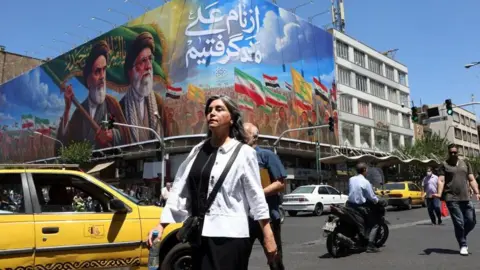
A war that revealed the limits of U.S. influence
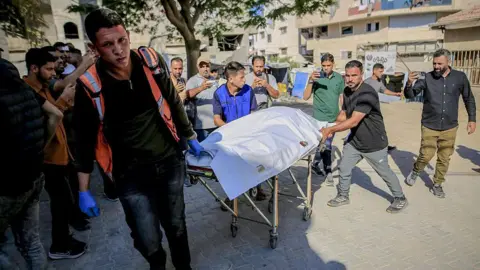
Last month, the United States, under President Donald Trump, launched a brief yet intense campaign against Iran—an action echoed by Israel in deadly strikes that killed supreme leader Ayatollah Ali Khamenei and dozens of civilians. The conflict, however, floundered quickly, exposing the U.S.’s misreading of Iran’s military depth and regional alliances.
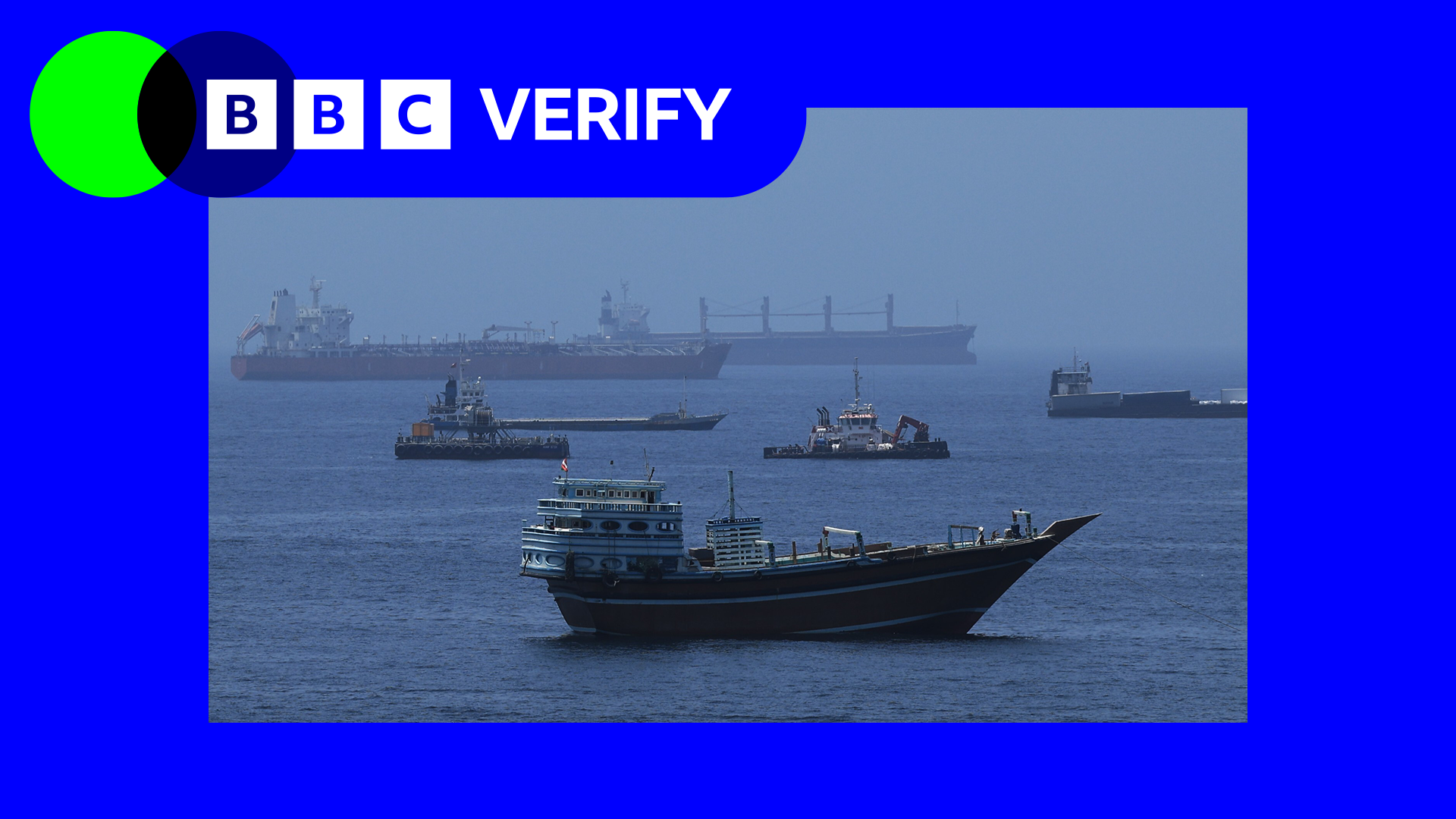
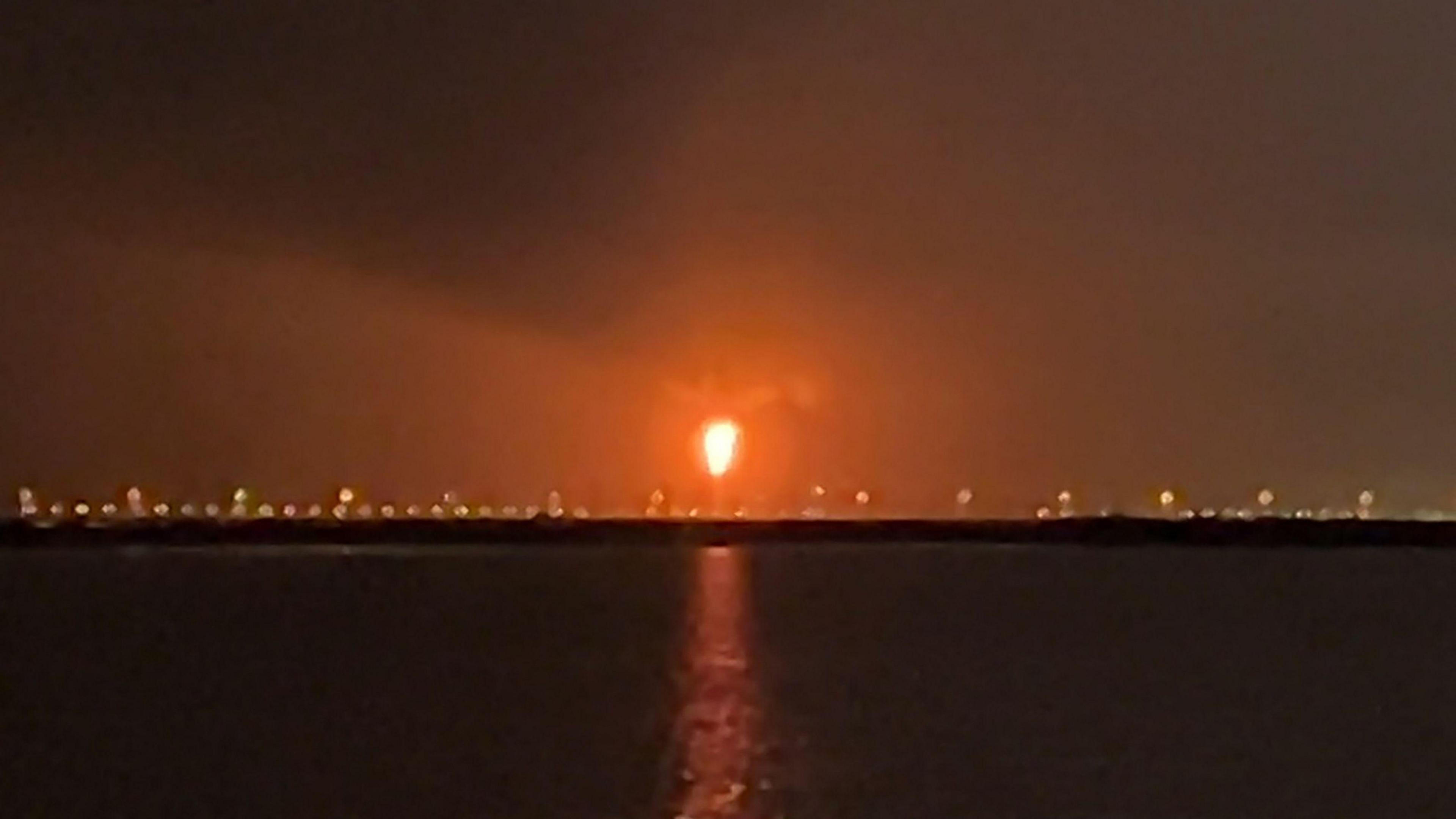
The offensive kicked off with a pre‑planned strike on Iran’s northern territories near the Strait of Hormuz, a waterway through which roughly 20 % of the world’s oil passes. Iran’s sudden retaliation, involving a coordinated attack on the same strait and backed by the Revolutionary Guard, forced the U.S. Navy to lift its blockade and acknowledge that the U.S., with Israel’s full support, could not easily control the region.
While the Americans expected swift victory, the regime’s inner circle had already prepared a swift counter‑action. By February 28, Iranian commanders had replaced the slain leader’s top staff, and the new group—arguably more aggressive yet equally ideological—planted the seeds for a prolonged defence. This resilience reassured many Gulf monarchies that the U.S. could not blunt any single player in the Middle East.
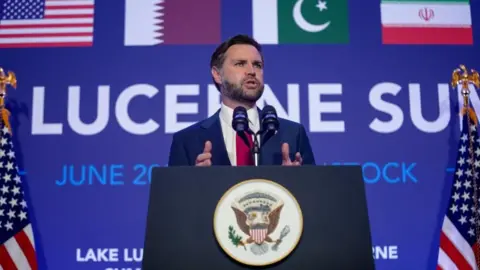
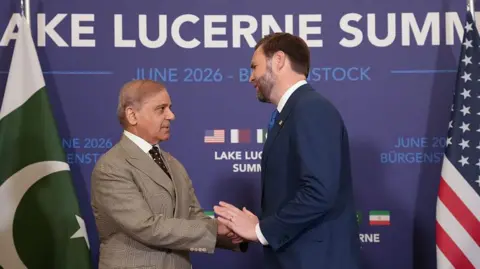
The diplomatic turn‑around came in a memorandum of understanding signed in Geneva just days after the conflict’s peak. The document, though only fourteen points condensed onto two pages, allows the U.S. to lift its naval blockade and opens the Strait of Hormuz for commercial traffic again. It also extends a temporary ceasefire and postpones the hard‑wired questions about Iran’s nuclear programme and the extent of sanctions relief.
The deal has two double‑edged consequences. First, it staves off a catastrophic economic shock for fleets that need hydrocarbons, potentially sparing millions of people from the crisis that would have followed a prolonged blockade. Second, by leaving the nuclear negotiations unresolved, it keeps the wider tension alive—even as the U.S. signals the triumph of a reluctant victory.
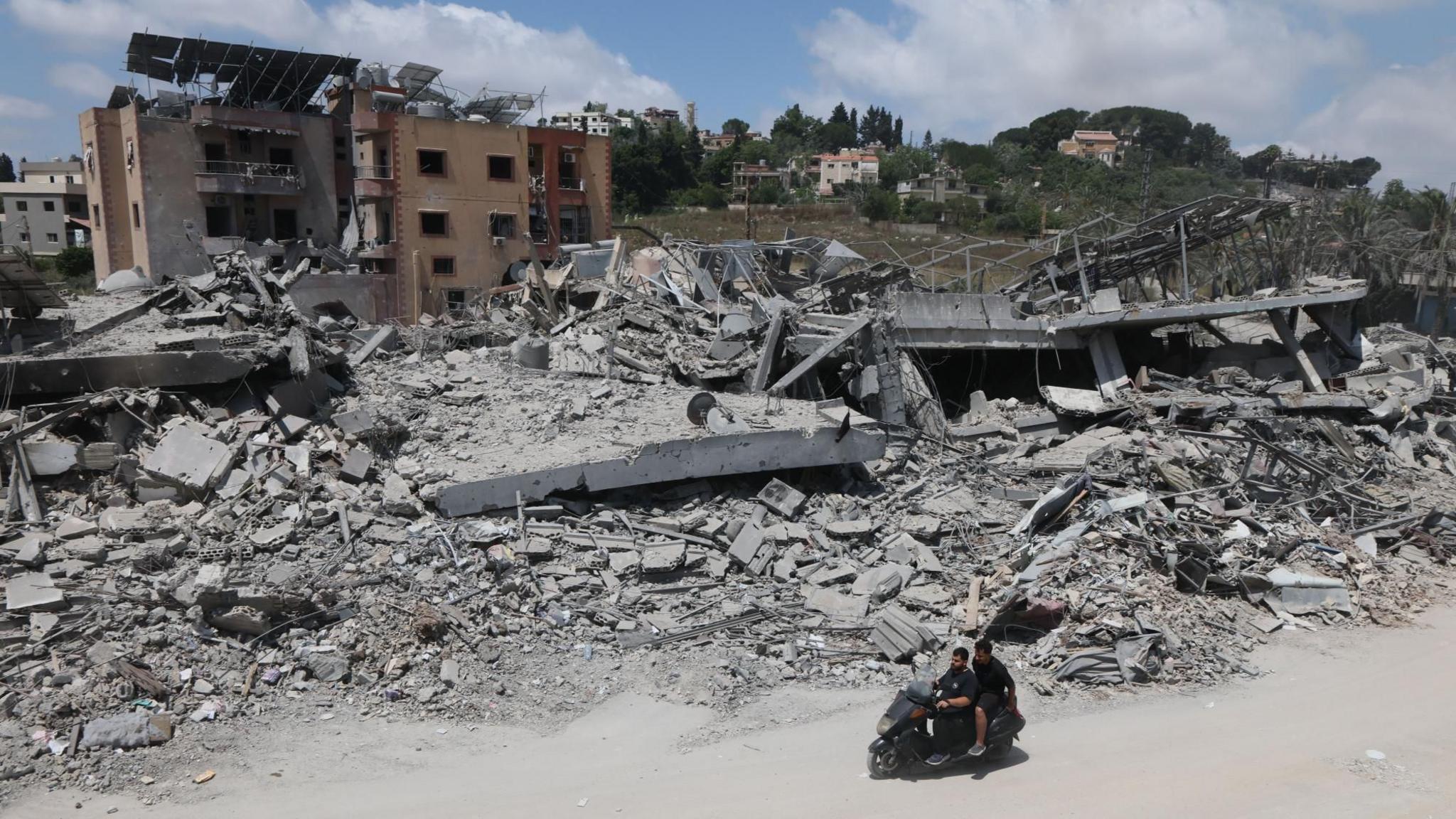
Israel, the war’s closest partner, did not participate in the memorandum. Its Prime Minister Benjamin Netanyahu’s earlier bold statements about destroying the Islamic Republic have put the country's leadership under increasing scrutiny. The country’s aggressive posture in Lebanon, their occupation of southern territories, and its ties to the broader coalition now confront a potential power vacuum that may encourage hard‑liners to seek more expansive control.
In the face of this momentous yet fragile agreement, the U.S. faces an uncertain global landscape. Trump’s sudden decision to plunge the nation into war, which anticipated an unchallenged victory, turned out to be a formidable learning moment. The resilience of Iran’s regime, the interdependence of Gulf allies, and the long‑term side effects on regional stability reveal that great‑power dominance still wrestles with changing realities and local complexities. The agreement may have paused the immediate hostilities, but the real work—building trust and navigating a post‑war Middle East—remains only partially fulfilled.