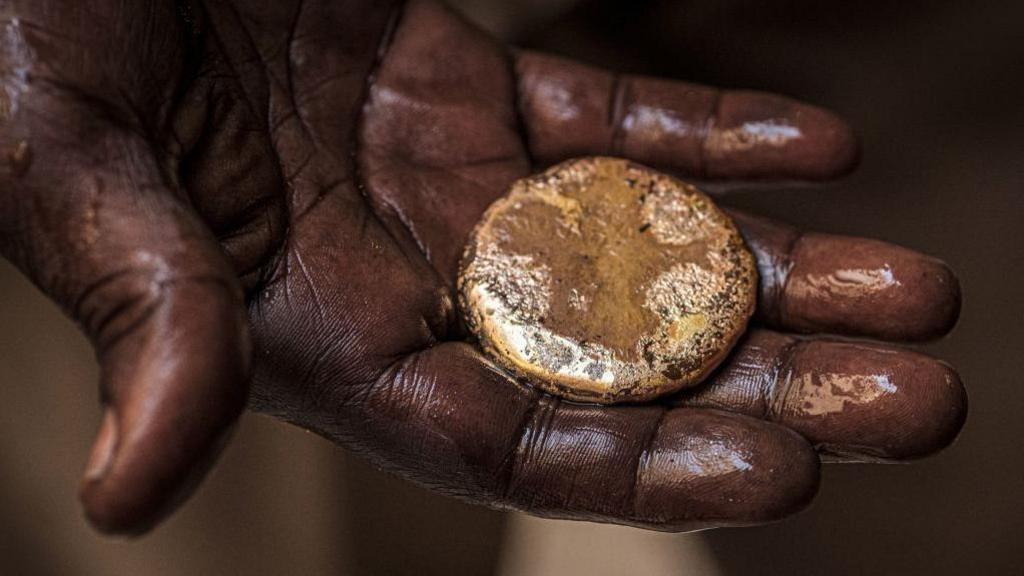
The European Union (EU) has enacted a comprehensive ban on the purchase, import and transfer of gold from Sudan. This decision is based on the belief that the gold trade has become a major source of financing for the ongoing civil war that erupted in April 2023, which has forced more than 14 million people to flee their homes.
Sudan is one of Africa’s largest gold producers, and its vast reserves are now a crucial revenue stream for both the regular army and the paramilitary Rapid Support Forces (RSF). According to United Nations experts, more than half—some estimates reach 70 percent—of Sudan’s gold is smuggled out each year.
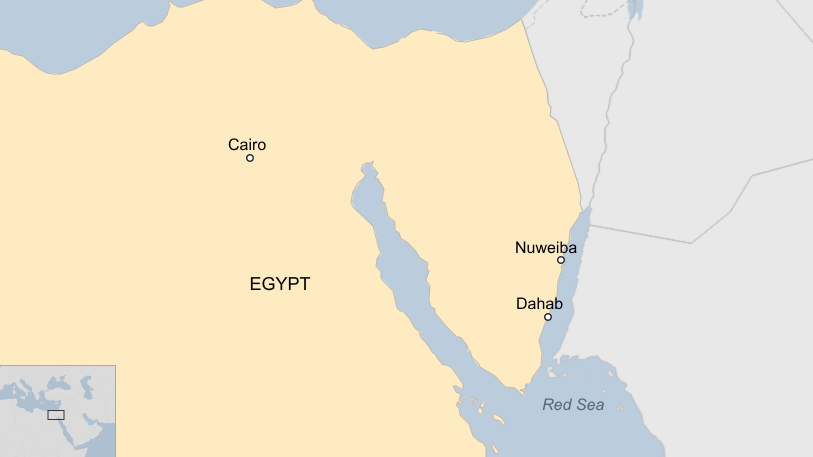
These smuggled bars often travel through neighboring countries—Egypt, Chad, and Libya—before reaching Dubai in the United Arab Emirates, a global hub for gold refining and trade. The EU’s ban also extends to mercury and cyanide exports, chemicals widely used in gold mining, although these are exempted for humanitarian and public‑health purposes.
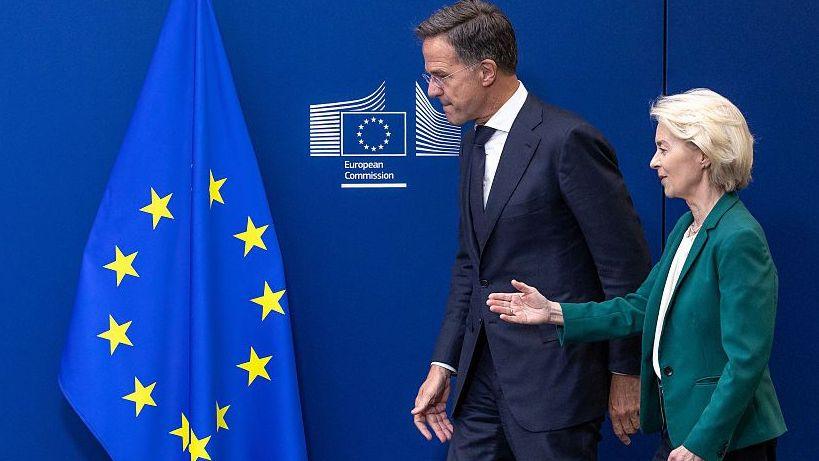
“Gold has become a key source of revenue sustaining the conflict in Sudan,” stated the EU Council. The restrictions are designed to reduce the resources available to those perpetuating the violence and increase pressure on the armed groups.
Under the new restrictions, EU individuals and companies are prohibited from purchasing, importing or transporting gold originating in Sudan. Sanctions alone may not stop the trade unless major international gold trading hubs and regional transit routes also tighten enforcement against illicit Sudanese gold.
International pressure continues to grow, as aid agencies report that more than 28 million people in Sudan are facing acute hunger. The ban is a step within a broader EU sanctions framework targeting individuals and entities accused of funding the conflict.