In brief
Critics argue that the Spanish government did not predict the sudden arrival of 72,000 migrants on the North‑African enclave of Ceuta, but the prime minister insists there was no warning. Post‑March protests grew as opposition parties claim a cover‑up, while Spain’s relationship with Morocco faces scrutiny after reports of Moroccan security forces turning a blind eye to the crossings. Despite a reported mass return of most migrants, the situation remains a political headache for Sánchez, who must balance condemnation of the crisis with diplomatic prudence.
Boarded Ceuta’s beaches and streets over the weekend, more than 72,000 migrants poured across the border from Morocco, overwhelming the Spanish enclave and sweeping the government into a heated debate over preparedness.
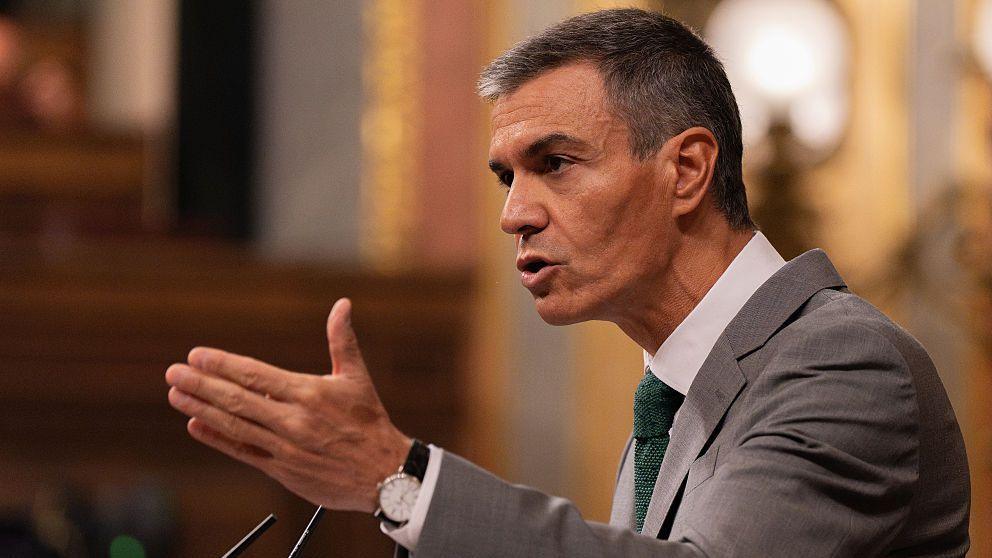
In an unexpected parliamentary statement, Sanchez said the government had not foreseen the influx and that the claim that it had ‘knew and did nothing’ was absurd. He also denied evidence that Morocco orchestrated or encouraged the surge.
The prime minister added that, while Spain had “close coordination” with Morocco, there was no indication the Rabat administration had been involved in the crossings.
Opposition Leader Feijóo slammed the administration for what he called a cover‑up and called for Sanchez’s resignation. The protests that followed, with tens of thousands marching in Madrid and other cities, reflected not just concern for the residents of Ceuta but also widespread frustration at what many see as government mis‑management.
A recent Spanish police report highlighted a degree of permissiveness among Moroccan gendarmes, suggesting that security forces did not actively prevent the crossing. Yet senior Spanish officials said the report does not pin blame on Rabat, and Moroccan authorities have denied any role in orchestrating the mass migration.
While most of the migrants were repatriated within 72 hours, a small number—about 5,000—still remain on Ceuta’s beaches, including up to 1,400 children. The crisis has forced Spain to consider new humanitarian and logistical arrangements for the enclave.
Internationally, Spain’s handling of the Ceuta situation has drawn criticism from some partners, such as Italy, which announced border restrictions for arrivals coming via Spain. In a statement to Parliament, Sanchez stressed that Ceuta is “not the border of Spain; it is Spain on the border of Europe.”
Sanchez pledged to keep close diplomatic ties with Morocco while also condemning what he called “unacceptable” statements from several Moroccan ministers about the status of Ceuta and its sister city, Melilla.
Key take‑away: The crisis has escalated into a political pressure point for President Sanchez, who must balance the need for swift action against the crisis with diplomatic sensitivity towards Morocco’s claims and a backdrop of domestic protests and international scrutiny.