In brief
On Monday, U.S. forces struck two Iranian rocket launchers on Larak Island, killing two and wounding two others. Iran responded by shooting missiles into U.S. bases in Jordan and a UAE airbase, while the UAE denied the attack but confirmed a drone shoot‑down. Both sides issued statements warning of severe retaliation. The strait remains a vital oil corridor, with Iran demanding traffic checks and imposing fees. The conflict underscores renewed U.S. sanctions and a naval blockade that threaten Iran’s economic stability.
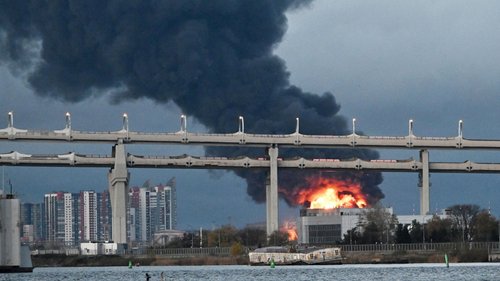
On Monday, United States forces conducted a precision strike on two Iranian rocket launchers on Larak Island in the Strait of Hormuz. The attack reportedly killed two Iranian personnel and injured two others, drawing a swift response from the Islamic Revolutionary Guard Corps (IRGC) that vowed “response and punishment.”
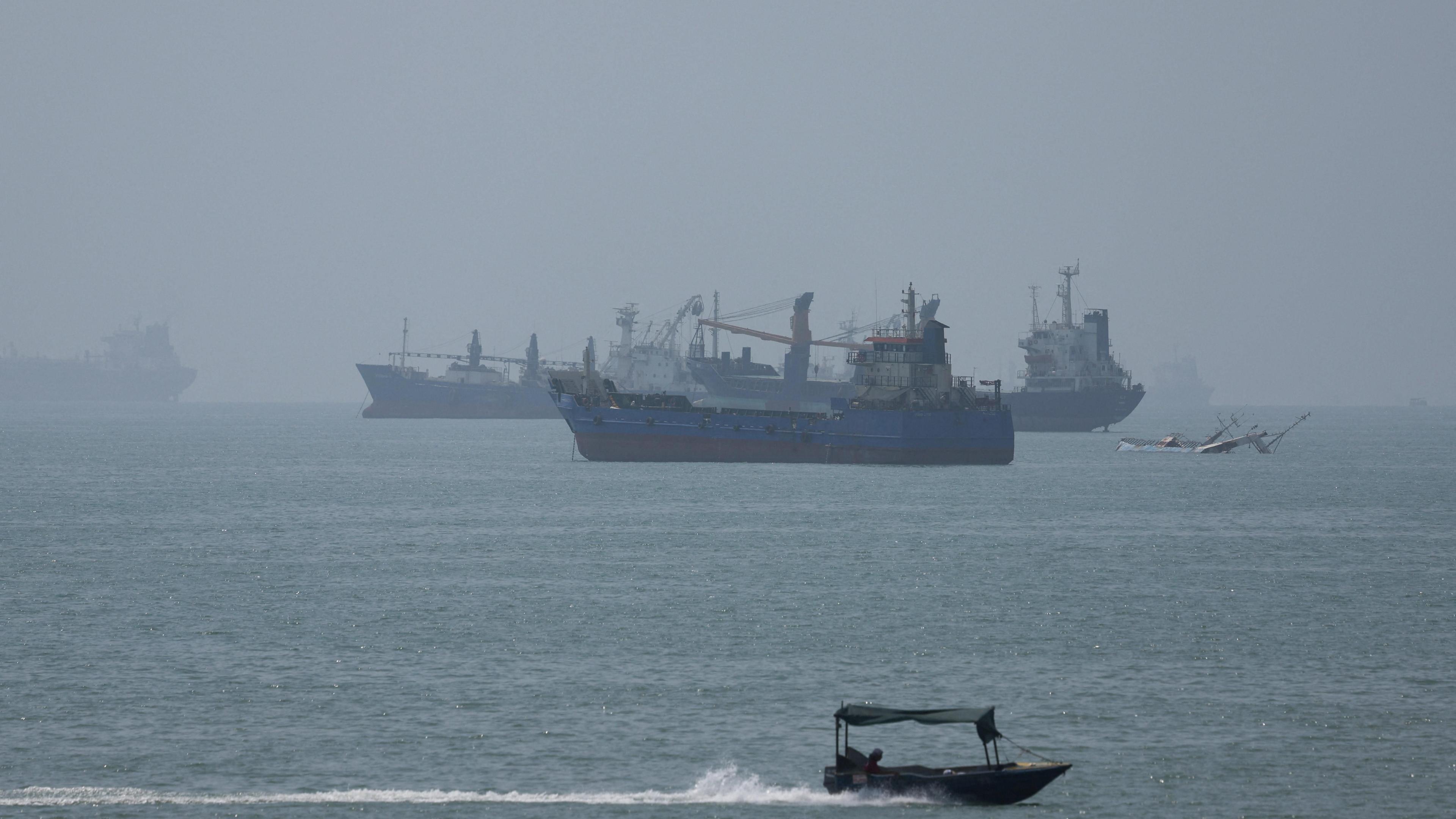
The U.S. Central Command said the strike was a “limited, precise action,” prompted by Iranian plans to launch rockets and deploy sea mines in the Strait of Hormuz, a key maritime corridor that carries about 20 % of global oil and liquefied natural gas shipments.
Hours later, Iranian state media reported that Iranian forces had fired ballistic missiles at U.S. bases King Hussein and al‑Azraq in Jordan, counter‑attacking in response to Larak. Jordan’s army confirmed it had intercepted eight missiles that struck the mission’s periphery, while the Iranian foreign ministry framed the strikes as “legitimate defence.”
Iran also claimed a drone strike on Al‑Minhad Air Base in the United Arab Emirates. The UAE Ministry of Defence denied the claim, labeling it “unfounded,” but admitted to shooting down a drone in the area. The U.S. denied claims that an Iranian supertanker had struck sea mines, labeling the campaign a disinformation attempt aimed at deterring commercial shipping.
Amid the exchange, President Masoud Pezeshkian issued a statement that Iran was not seeking war but would deliver a decisive response to “aggressors.” Trump’s team, meanwhile, posted AI‑generated videos on Truth Social depicting Iranian oil facilities in burning condition, further inflaming rhetoric.
The Strait of Hormuz remains closed to commercial traffic since early 2026, after a series of exchanges that began with a U.S. strike on the island in February. Iran now demands all vessels cross Larak under inspection and imposes a fee of $2 million for transit.
The United States has intensified its economic pressure and naval blockade, targeting Iranian shipping and oil exports. The recent incidents underscore the fragile balance of power in the Gulf, with potential ramifications for global energy markets and regional security.