After a civil conflict that erupted in April 2023, Sudan’s capital Khartoum now stands at the crossroads of recovery and ongoing violence. In March 2025, the military‑led government announced the lifting of a city‑wide curfew that had restricted movement for more than two years. This decision coincided with the end of a state of emergency that had been imposed when the army regained command from the paramilitary Rapid Support Forces (RSF).
Yet the gesture signals little of the unrest that still plagues the city. Reports indicate that clashes are continuing in the southern and western districts, and the war’s effects appear to be spilling beyond Sudan’s borders into Chad, where the U.S. senior adviser for Arab and African affairs has voiced “deep concern” over regional stability.
According to the International Organization for Migration, more than two million displaced inhabitants have returned to Khartoum since fighting ceased in March 2025. They arrive into a landscape marked by widespread looting and damaged infrastructure. Many households face repeated blackouts, caused by alleged RSF drone attacks on the national grid and insufficient repairs from the government.
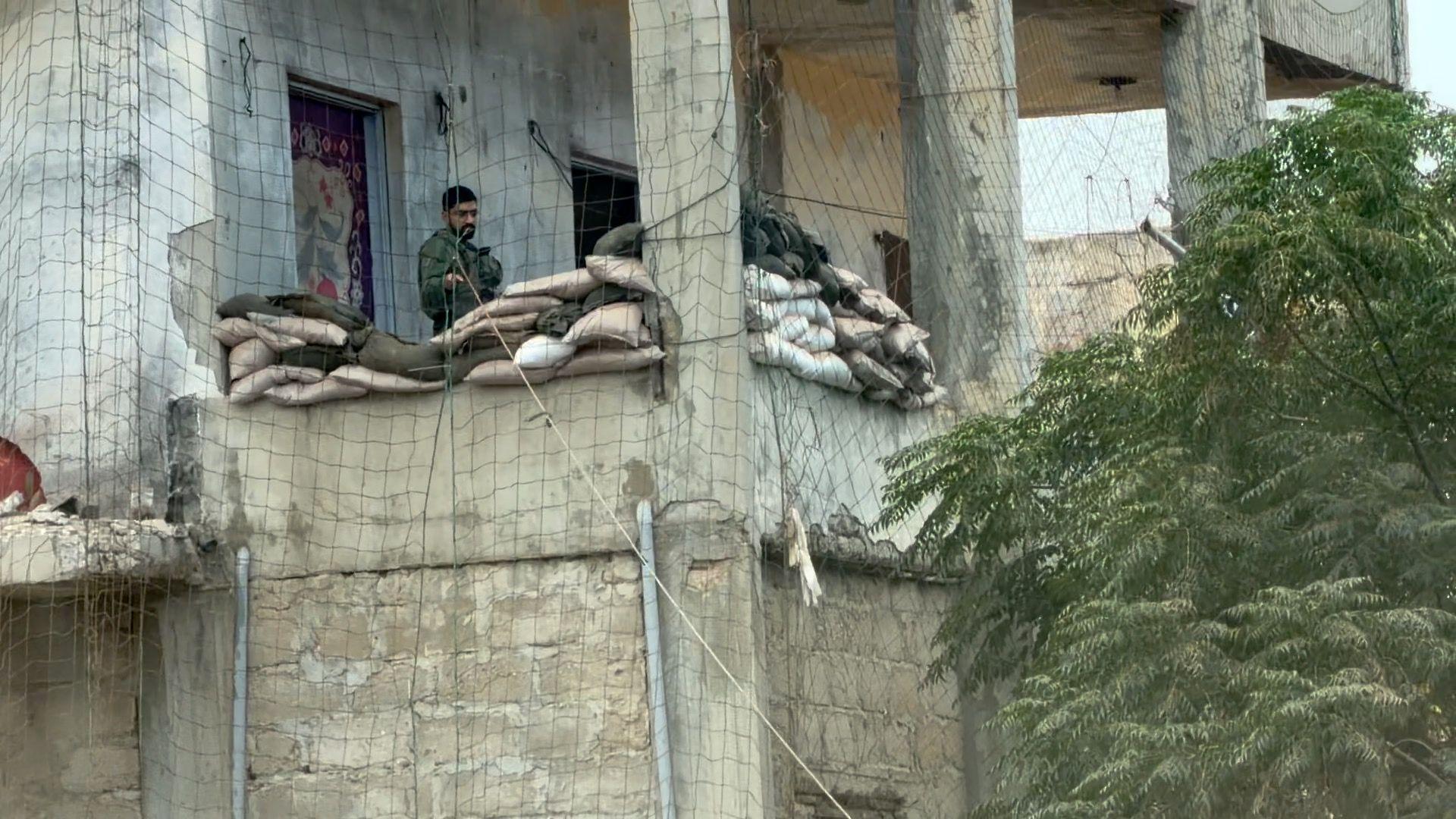
The Khartoum state government’s spokesperson, Altayeb Saadeldin, cited looted copper wires and fuel shortages as key contributors to power outages, while an RSF source denied the accusations and labelled them “army propaganda.” Even as the curfew exits, authorities continue to maintain a presence on the streets, suggesting they remain wary of RSF infiltration, slow‑acting patrols and strange night‑time travel restrictions.
International observers highlight the Army’s ongoing searches for sleeper cells and the threat of unlawful, cross‑border supply lines. Chad has accused Sudan of striking a military convoy inside its territory, a claim Sudan has rebuffed while accusing Chad of allowing RSF weapons to move through its airports. Both parties deny the allegations, although United Nations experts and investigative media point to possible truths.
The United States has drafted a resolution for the UN Security Council to extend a 2005 weapons embargo on Darfur across Sudan, limiting attacks from drones. Despite this, the National Army still rejects the proposal, arguing it would unfairly conflate its official forces with the RSF and impede its ability to counter insurgency.
With the return of civil life in Khartoum, the army has reopened the city's main airport to some flights and is urging businesses and embassies to return. Still, the recovery is uneven and fear of interception by armed factions persists. The war’s relentless pressure remains a stark reminder that normality is fragile and the path to lasting peace is a complicated, protracted journey.