In brief
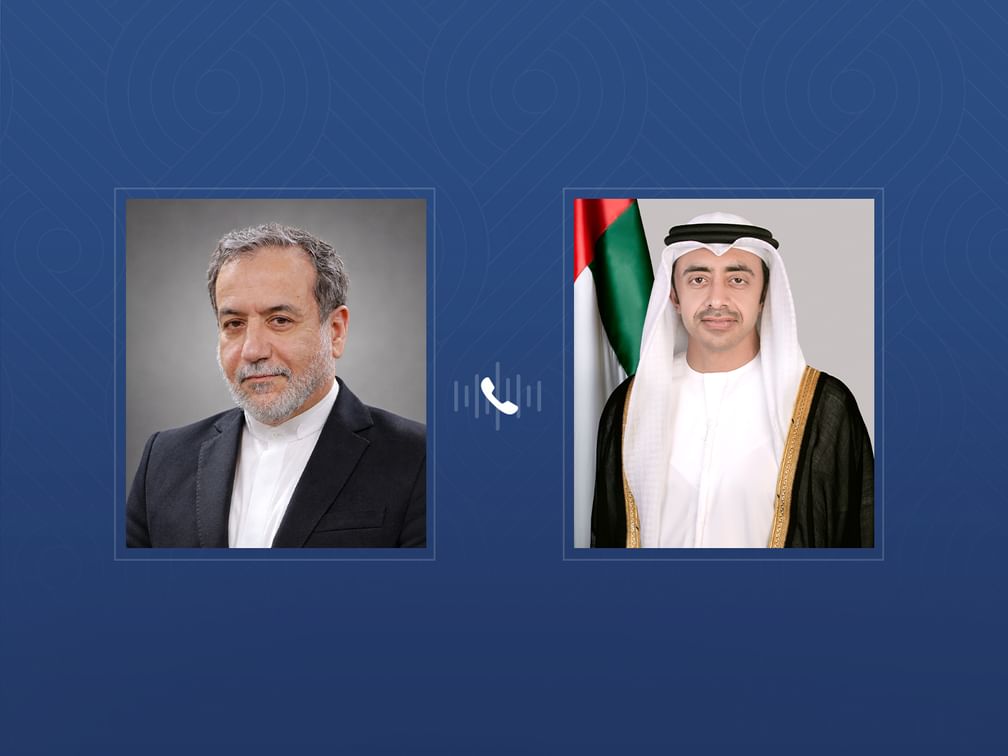
On November 5, 2026, Abu Dhabi‐based Sheikh Abdullah bin Zayed Al Nahyan confirmed a phone conversation with Iranian Foreign Minister Abbas Araghchi. The call centered on the broader Middle Eastern situation, with H.H. emphasizing the importance of de‑escalation and diplomatic progress to strengthen regional security. The brief report, issued by the United Arab Emirates’ official news agency WAM, provides the sole public details of the exchange.
On Thursday, November 5, 2026, a short phone conversation between H.H. Sheikh Abdullah bin Zayed Al Nahyan, the United Arab Emirates’ Deputy Prime Minister and Minister of Foreign Affairs, and Abbas Araghchi, Iran’s Minister of Foreign Affairs, was announced by the UAE’s official news agency, WAM.
Sheikh Abdullah, who holds the country's top diplomatic and executive posts, received the call from the capital of Iran in a setting that the agency described as a private discussion of the overall situation in the region. The brief statement—issued at 11:52 PM local time from Abu Dhabi—provided no further detail about the specific topics addressed.
Abbas Araghchi, the current Foreign Minister of the Islamic Republic of Iran, is the person who called Sheikh Abdullah. The WAM release emphasized that the two leaders spoke about the “latest regional developments” and the broader domestic and international context that shapes Middle Eastern politics.
During the exchange, the UAE leader underscored the importance of “de‑escalation” and advancing diplomatic efforts in a manner that “contributes to strengthening security and stability in the region.” The WAM coverage notes this as the central message of the call, highlighting a shared interest in building peace and reducing tensions among Gulf and Persian‑Sea neighbors.
WAM’s concise dispatch portrays the conversation as a “diplomatic outreach” aimed at easing pressure points within the region, positioning the UAE as a potential broker between divergent national interests. Although the official brief does not elaborate on the potential outcomes, it signals a willingness by both sides to engage in dialogue despite historical differences.
The statement has opened a small window into how the United Arab Emirates is coordinating with key regional actors at a time when several geopolitical threads—such as tensions along the Gulf coast, oil market volatility, and the continuing geopolitical rivalry between large powers—remain pronounced. The focus on de‑escalation reflects a broader pattern of UAE foreign policy that pursues stability through multilateral discussion, a stance that has been reiterated in prior speeches by Sheikh Abdullah.
There is no public record from either side outlining an agreement or concrete steps emerging from the call. The WAM release, which appears on its website and was also highlighted in a brief mention by the UrduPoint portal, offers no additional commentary beyond the UAE’s leadership of the diplomatic tone. As of now, the conversation’s content remains limited to the general statements about regional situation and the desire to reduce tensions, leaving many questions about the specifics of the dialogue unanswered.
In the absence of further details, observers note that the call reinforces the UAE’s role as an active interlocutor in a complex regional environment. Whether the conversation will translate into tangible initiatives or pave the way for joint statements remains to be seen, but the mere fact of a direct phone call is itself a notable cue that high‑level diplomatic communication is ongoing between the UAE and Iran.