In brief
The Obama Presidential Center, set to open next week, has drawn praise for its ambitious architecture and criticism for its environmental footprint. While the tower offers panoramic views and symbolic design, local residents worry about the loss of Jackson Park land, rising housing prices, and the long‑term effects on the South Side community.
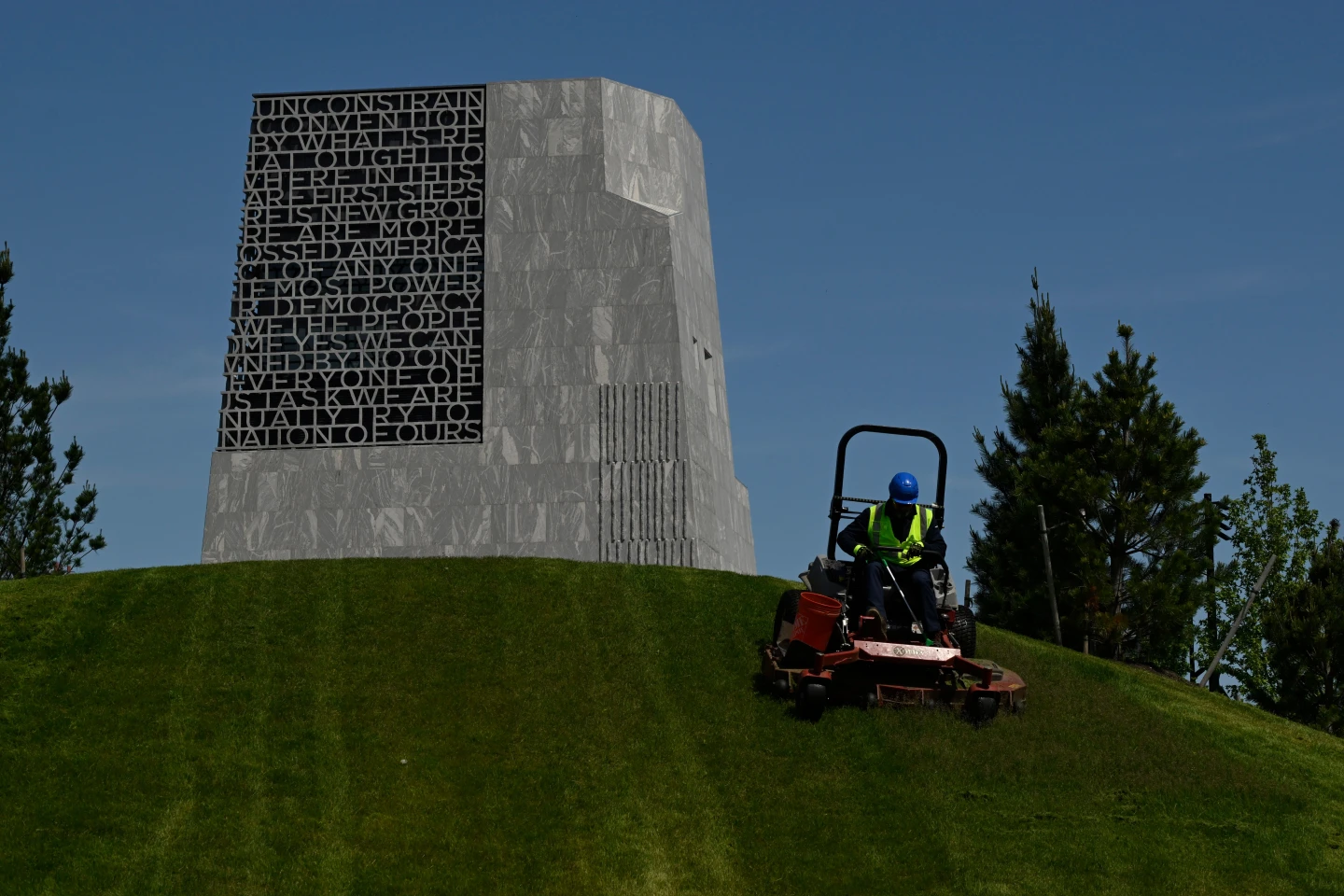
The Obama Presidential Center sits amid a leafy stretch of Chicago’s South Side, its 225‑foot granite tower rising like a sci‑fi monolith above the city’s historic lakefront park. The structure, still unfinished, is slated to open on Juneteenth, a decade after the site was approved.The building’s austere, windowless exterior has stirred controversy. Some Chicagoans see it as a jarring intrusion, likening it to a grain elevator, a ship from “Star Wars,” or a mausoleum. Others hail it as a bold addition that will become a new icon in the skyline.Early critics of the project were not just skeptical of the glass‑enclosed “Sky Room” and its sweeping city views. Their worries centered on the impact on the community, especially since the center’s construction required the removal of nearly 20 acres of Jackson Park, a 500‑acre green space that houses a bird sanctuary, playgrounds and a public library.Supporters point to the campus’s extensive community amenities—including a new field, basketball court, playground and gardens. The Foundation’s CEO, Valerie Jarrett, says the design is “intentionally inviting,” with a low‑profile façade that protects artifacts and offers an “unusual” perspective of the city.In an interview, former Obama adviser Mark Hamill joined the Foundation’s promotional campaign with a May the 4th Star Wars video, demonstrating the center’s intention to reach people worldwide.Architects Tod Williams and Billie Tsien stitched the tower’s design together with a stone façade and four concrete letters spelling out a projection of Barack Obama’s 2015 Selma‑to‑Montgomery speech: “You are America.” The tower’s silhouette is meant to radiate solidarity.Yet the criticism has not faded. A group led by Brenda Nelms, who has lived in the area since the 1970s, argues the tower doesn’t fit in at all. Residents of surrounding neighborhoods fear a ripple effect of displacement: higher housing costs and a break in the community’s cultural fabric. Freedom of the environment has also been raised – on a walk the animal lover Robin Kaufman noted her inability to enjoy the wildflowers in the now‑distorted bird sanctuary.Kenwood‑Oakland activist Shannon Bennett has dubbed the center a Trojan horse – a con of transformation that will change the area for a new, more affluent population.Despite the debate, the foundation counters that the center brings a powerful symbol of Obama’s legacy to the community. Adam Rubin of the Chicago Architecture Center notes it has a sense of place, and the final outcome will depend on how the public utilizes the museum.As the building nears completion, the city must balance its architectural heritage with the needs of its residents, deciding whether a new monument outweighs the neighboring park and historical identity.