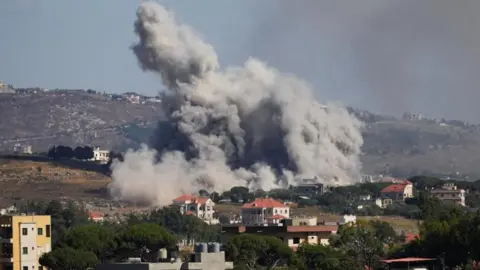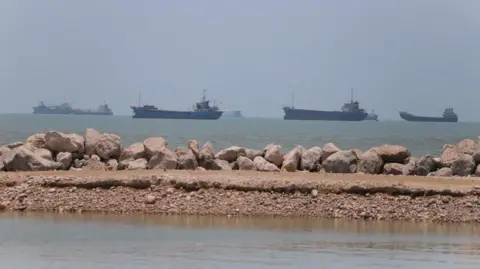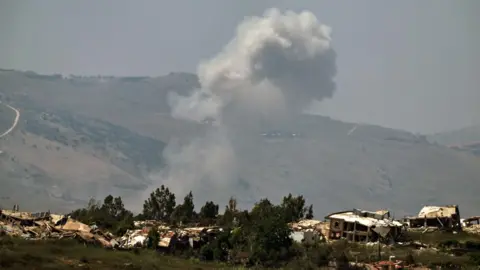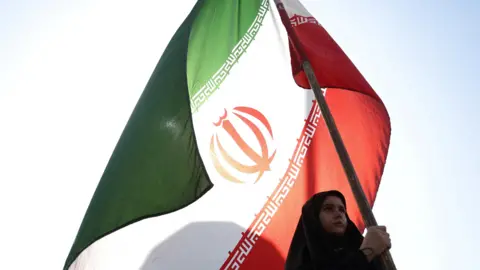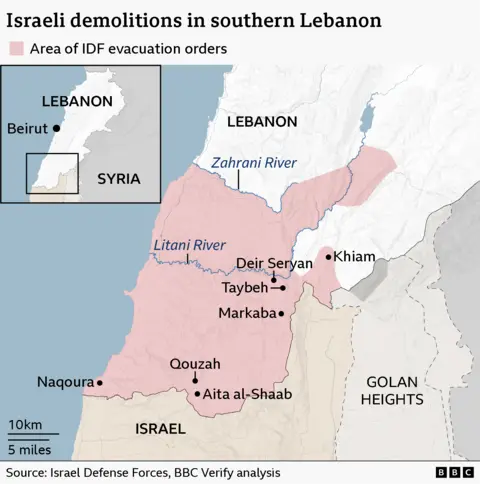
Satellite images and verified videos have brought to light the ongoing demolitions of towns and villages in southern Lebanon carried out by Israel, sparking significant global concern. According to BBC Verify's analysis, more than 1,400 buildings have been destroyed since March 2, indicating that the true scale of destruction may be significantly higher. This surge of demolitions follows an order from Israeli Defense Minister Israel Katz on March 22 to expedite the destruction of Lebanese properties near the Israeli border, citing intentions to mirror tactics previously employed in Gaza. International law experts have raised alarms that these actions could amount to war crimes, as such demolitions are generally prohibited unless deemed absolutely necessary for military objectives.
The Israel Defense Forces (IDF) assert that their operations adhere to the Law of Armed Conflict, claiming they only destroy property when military necessity is clear. However, they also allege that Hezbollah has entrenched military assets in civilian zones. The severity of the destruction has led to comments from humanitarian agencies and legal experts who argue that the measures taken go beyond acceptable bounds of military necessity.
As the destruction unfolds, entire regions, once known for their picturesque landscapes and communal structures, have been reduced to gray rubble, illustrating a profound humanitarian crisis. The displacement of over 1.2 million people from Lebanon underscores this dire situation, raising urgent questions about the long-term implications for the region's stability and civilian safety.
The Israel Defense Forces (IDF) assert that their operations adhere to the Law of Armed Conflict, claiming they only destroy property when military necessity is clear. However, they also allege that Hezbollah has entrenched military assets in civilian zones. The severity of the destruction has led to comments from humanitarian agencies and legal experts who argue that the measures taken go beyond acceptable bounds of military necessity.
As the destruction unfolds, entire regions, once known for their picturesque landscapes and communal structures, have been reduced to gray rubble, illustrating a profound humanitarian crisis. The displacement of over 1.2 million people from Lebanon underscores this dire situation, raising urgent questions about the long-term implications for the region's stability and civilian safety.