In brief
As Route 66 marks its milestone 100th anniversary, the historic road encapsulates the spirit of adventure, freedom, and change in America. From its origins as a lifeline during the Dust Bowl and its economic significance to Native American communities, to its famous roadside attractions and cuisine, Route 66 remains a vital thread in the fabric of American history.
ALBUQUERQUE, N.M. — There are faster ways to travel from Chicago to Los Angeles, but none carry the historic and cultural significance of Route 66. Described by John Steinbeck as the 'Mother Road,' it served as a beacon of hope for farmers fleeing the Dust Bowl, a source of economic uplift for Native American communities, a refuge for Black travelers during segregation, and an iconic road for music enthusiasts.
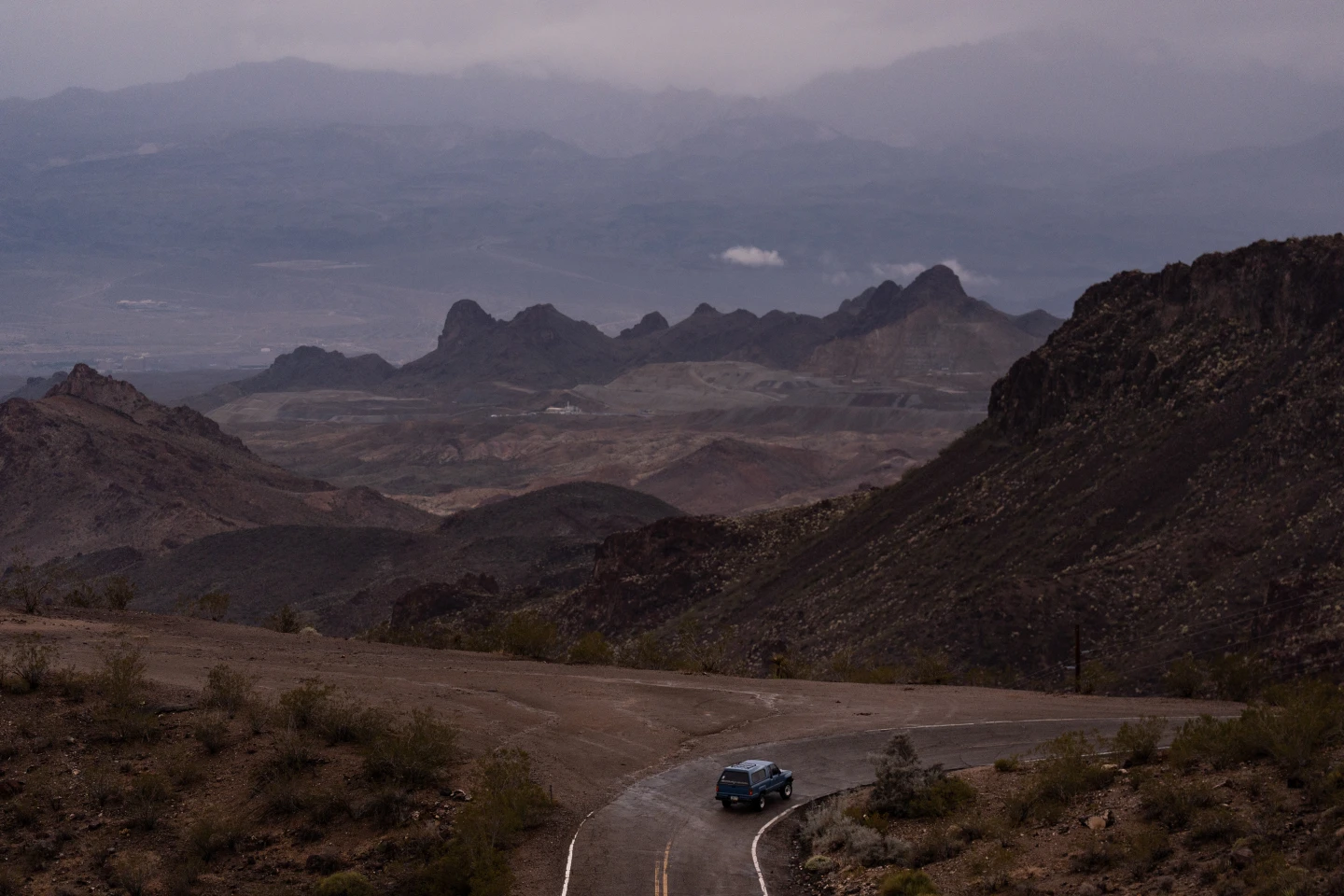
This year marks the 100th anniversary of Route 66. Though it has lost prominence as a major highway, people across the globe continue to flock to it for a quintessential American road trip, complete with neon lights, quirky motels, and delightful local cuisine.
Every town along the way has its unique history and magic, says Sebastiaan de Boorder, who revitalized The Aztec Motel in Seligman, Arizona. It’s an essential part of American culture and history, with its influence and character being monumental.
Route 66, spanning roughly 2,400 miles, was officially designated in 1926, fusing Native American trails with old roads to connect the industrial Midwest to the Pacific Coast. Businessman Cyrus Avery, credited as the Father of Route 66, envisioned it as a means to forge economic links across rural America.
Over the decades, Route 66 has evolved into a symbol of freedom. It became a pathway for migrants escaping the Great Depression during the Dust Bowl, a key logistic route during World War II, and a cherished vacation destination in the post-war boom.
The highway flourished in the 1940s and 1950s as cars became more accessible, and the allure of the open road captivated the American public. Today, Route 66 is not just a road but an embodiment of American dreams, adventure, and community stories.
However, the road’s history is also complex and layered. For Native American tribes, it provided a source of income but also inflicted scars due to development and cultural appropriation. More than half of Route 66 passes through Indian Country, and the legacy of those past interactions continues to shape community identities. During the era of Jim Crow, Black travelers relied on guidebooks like the Green Book for safe lodging, highlighting the segregation still present in American society.
As President Dwight Eisenhower’s interstate highway reforms rendered Route 66 a decommissioned federal highway in 1985, many towns along the route faced decline. However, local preservationists have worked tirelessly to maintain the highway’s charm, with over 90% of it still drivable through California.
Today, travelers can find remnants of nostalgia—historical signs, retro diners, and landmarks like Cadillac Ranch—underscoring the unique experience that Route 66 offers to adventurers and history enthusiasts alike. It serves as a reminder that the allure of the road remains vibrant, inviting new generations to uncover the stories etched into its path.