Antonio Bustamante has kept a watercolor of labor leader César Chavez for over 35 years, displaying it prominently in his law office in Yuma, Arizona. Deeply inspired by Chavez as a young man, Bustamante worked alongside him, organizing workers and providing security during pivotal moments in the labor movement.
However, recent allegations of sexual abuse against Chavez have forced Bustamante and many others to grapple with the stark contrast between the man they idolized and the troubling accusations that have emerged. I’m trying to figure out how emotionally and intellectually I’ll be able to understand my perception of him as an extremely good man compared to these things that are said he did, Bustamante expressed, his voice heavy with emotion.
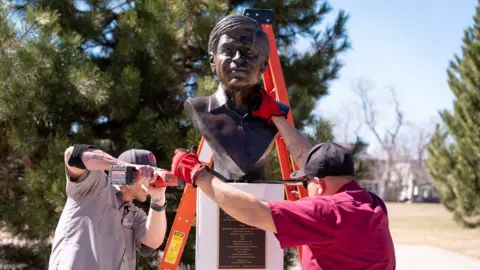
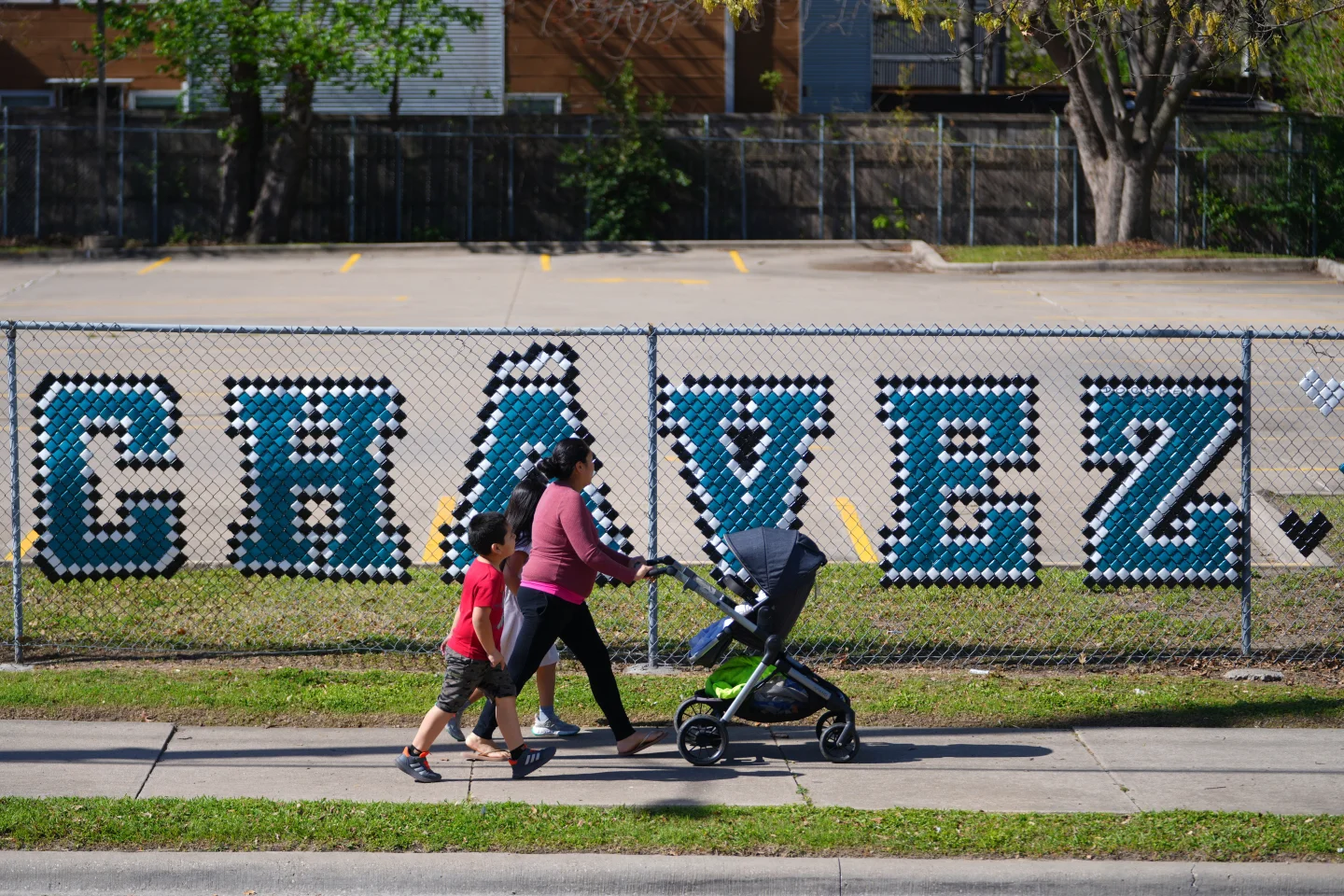
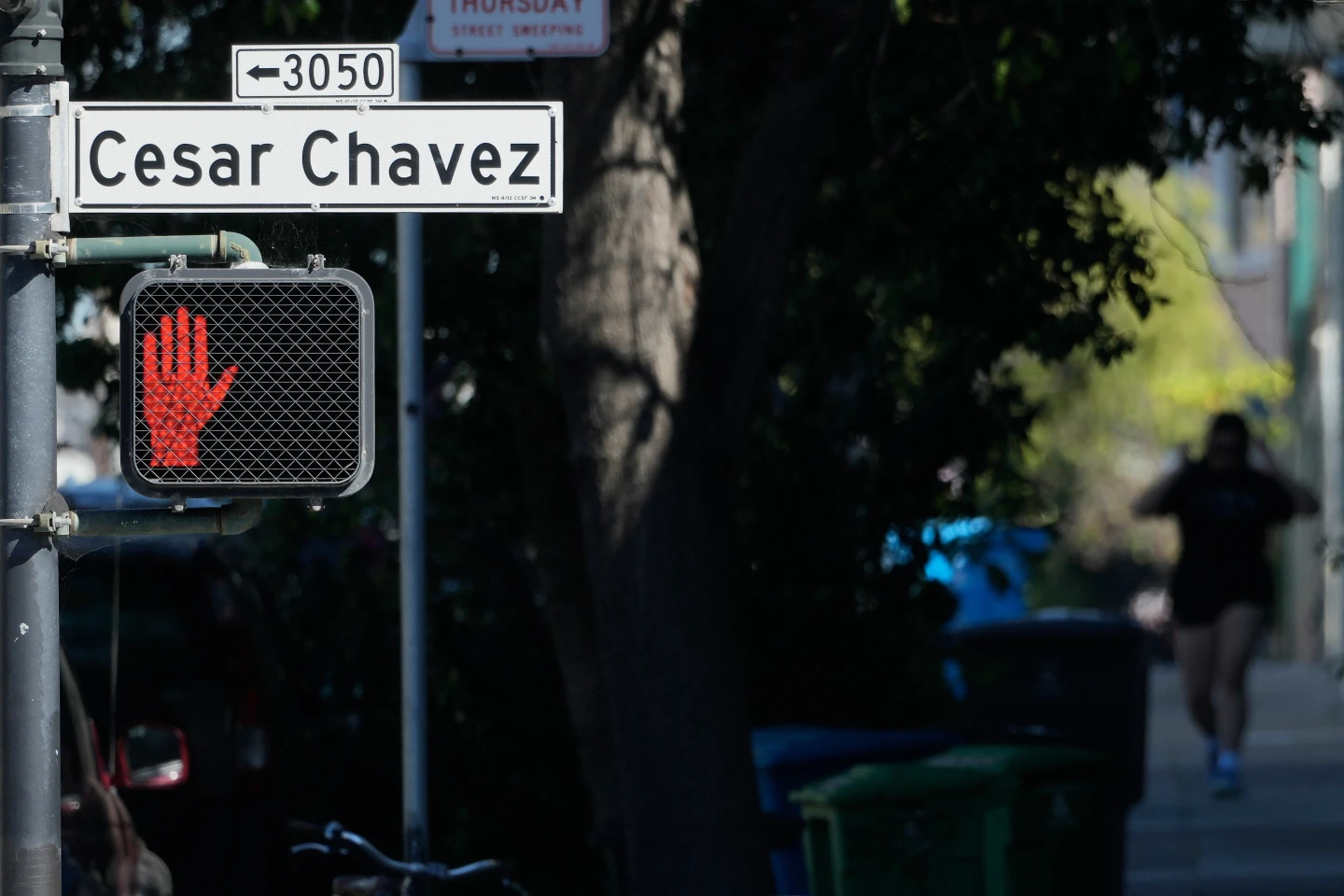
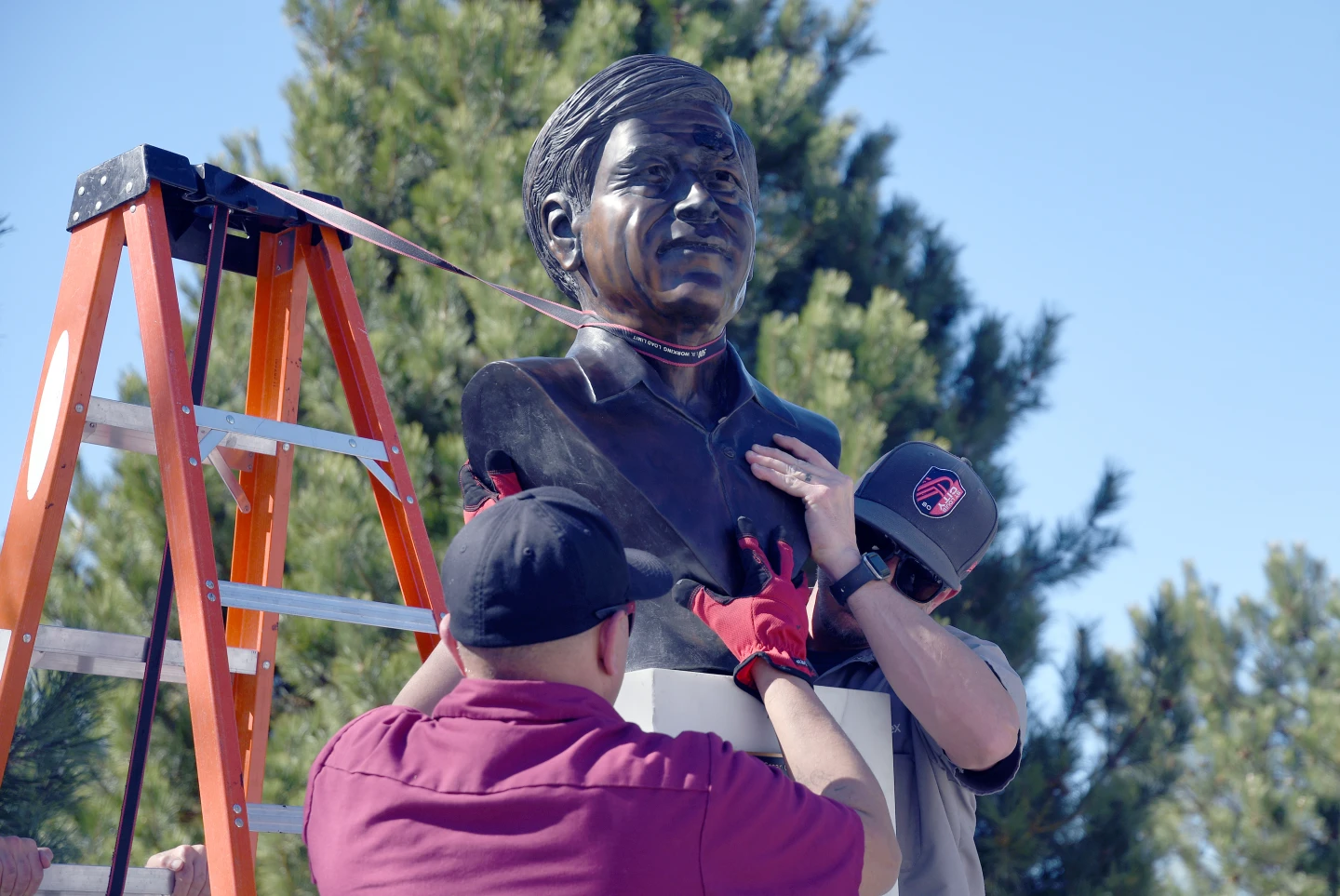
Chavez's impact on labor rights is undeniable; alongside Dolores Huerta, who is also named among the victims of his alleged misconduct, he co-founded the United Farm Workers union and pioneered significant actions like hunger strikes and grape boycotts to advocate for better conditions for farmworkers. Yet, as communities across the nation react to the allegations, there is a growing movement to reconsider how Chavez is honored. Statues and street names linked to his legacy are being scrutinized and in some cases, removed.
Reckoning with a Legacy
Bustamante learned about the allegations through an old friend, leading him to think about the collective devastation such news would bring to the community members who admired Chavez, recalling his profound influence on Mexican Americans in the 1970s. For many, denouncing the man behind such a revered movement feels akin to renouncing a core tenet of their identity.
The discussions prompted by the allegations are complex. Leaders like Teresa Romero, president of the United Farm Workers, recognize the duality of Chavez's legacy, affirming that while he was a celebrated figure in organizing and advocacy, the reported abuses cannot be ignored. We have in one hand César Chavez, the man who committed horrible acts that we’re not going to justify. On the other hand, we have César Chavez, the organizer, she articulated.
As the conversation evolves, advocates emphasize that the farmworker movement has always been rooted in collective effort rather than idolizing a single leader. According to Sehila Mota Casper of Latinos in Heritage Conservation, The rights and protections that came from it belongs to the people that built it. It wasn’t just one individual. This sentiment reinforces the need to honor Chavez's contributions without allowing them to eclipse the roles of others involved in the movement.
Dismantling a Man, Preserving History
The swift public action following the allegations demonstrates society's willingness to engage in uncomfortable but necessary conversations about legacy and accountability. Various celebrations of Chávez's work, including César Chávez Day on March 31, are under threat as political discussions around the legacy of his life unfold. Even as there is a drive to remove his name from commemorations, advocates assert that the achievements he fought for endure and continue to inspire activism today.
As Bustamante reflects on the asterisk that now seems inevitable next to Chavez's name, he contemplates what honoring him means in the shadow of these revelations. Does that take away the greatness of what his accomplishments were, the meaning of them? No, it doesn’t, he said. But can we look past that to honor him? That’s the tough part.