Brazil’s Presidential Battle: The Dramatic Tension of the 2026 Election
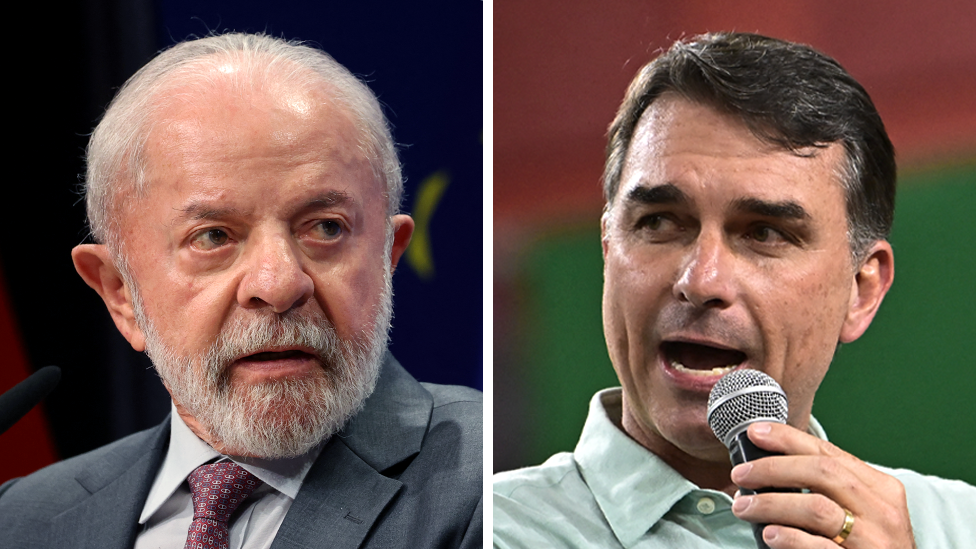
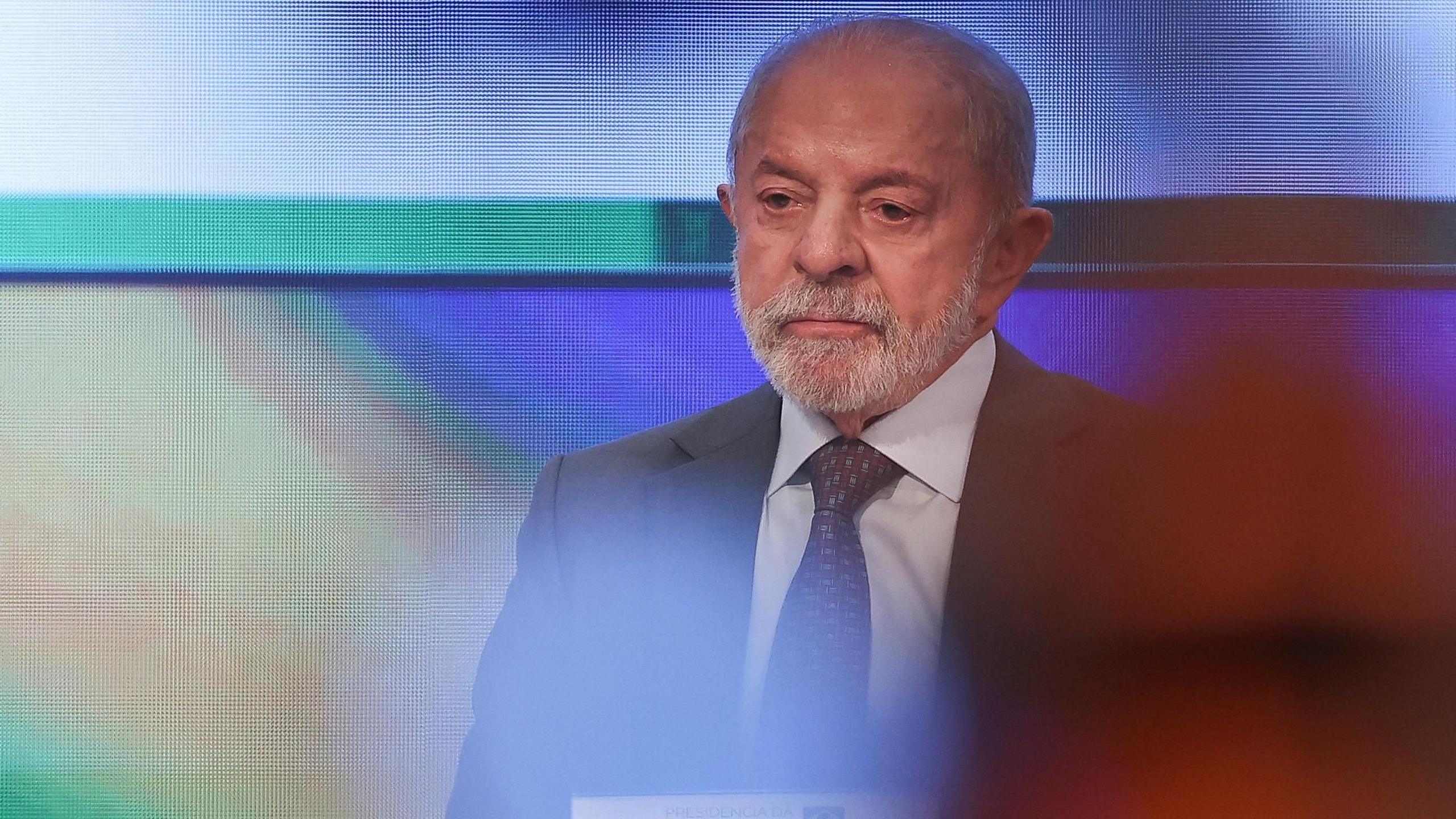
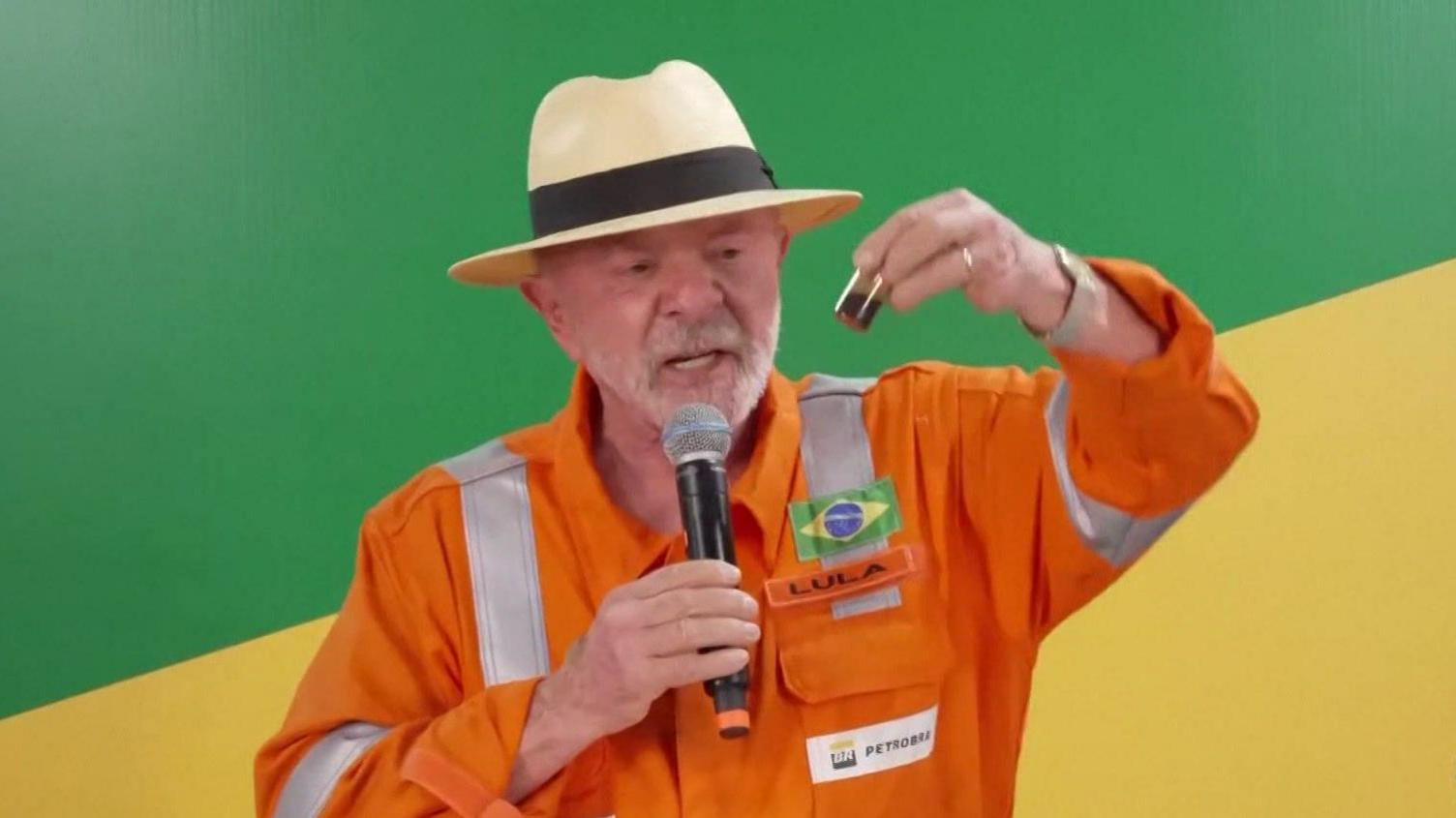
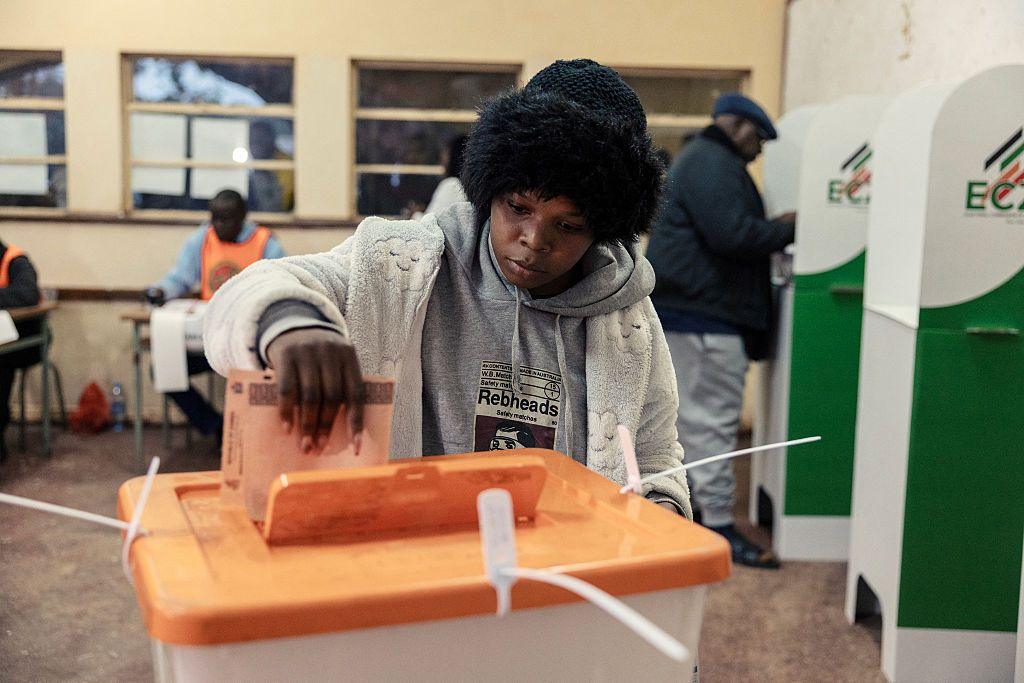
On Sunday, 5 October, Brazil held its first‑round presidential election, turning the nation into a bustling arena of political passion. The vote count was a tight contest between the seasoned former president Luiz Inácio Lula da Silva, who was vying for a fourth non‑consecutive term at 80, and the young right‑wing challenger Flávio Bolsonaro, 45, who entered the race for the first time.
Lula’s campaign was buoyed by nostalgia for his earlier successes in lifting Brazil out of debt and reducing inequality. In contrast, Flávio Bolsonaro, the son of former president Jair Bolsonaro, promised a continuation of his father’s policies while pushing a fresh image that appealed to a younger demographic.
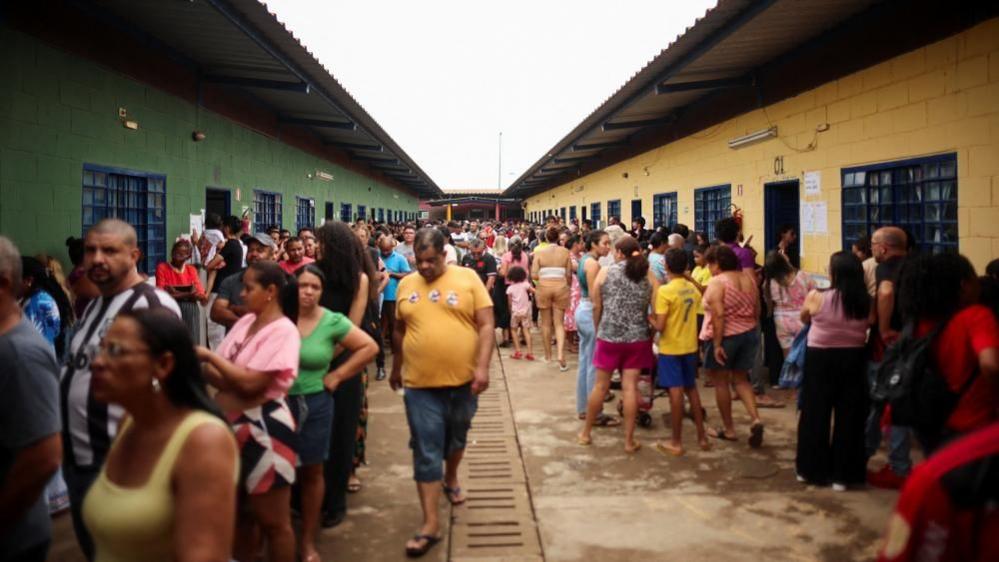
Voting figures showed an unprecedented turnout, with millions stepping into tallied booths across a continent that spans from the Amazon to the bustling streets of São Paulo. The results were too close to call, triggering a runoff scheduled for 25 October. As the battleground sat on the brink, the nation and the world watched a democratic process that could reshape Brazil’s future.
Media coverage highlighted how social media spurred heated discussions, while analysts debated the long‑term implications of either candidate securing the presidency. The stakes were high: Lula’s return promised a revisit of his populist agenda, whereas a Bolsonaro victory could entrench a more conservative, business‑friendly governance style.
Keep following the story and related analysis on BBC Latin America for the latest on Brazil’s political saga.