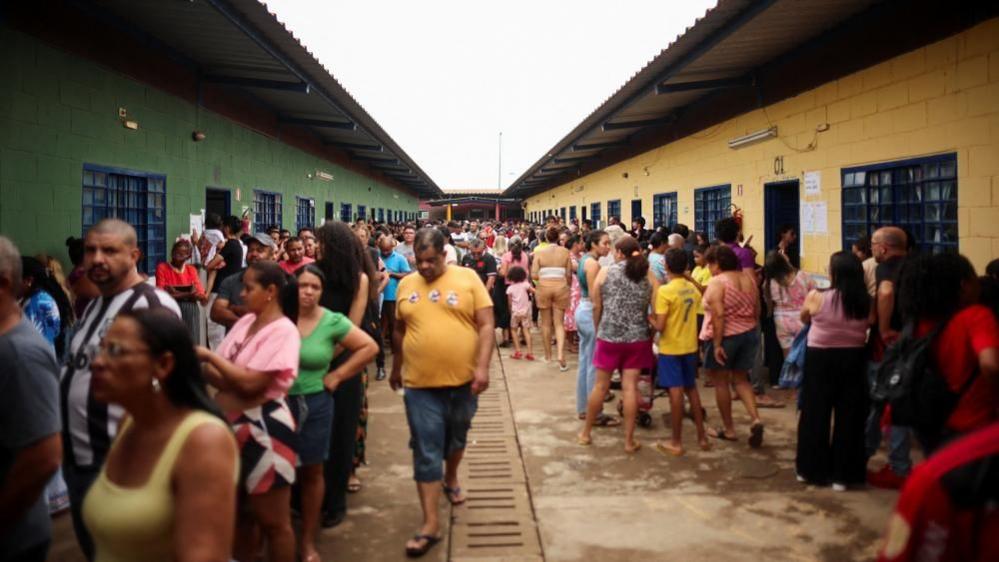
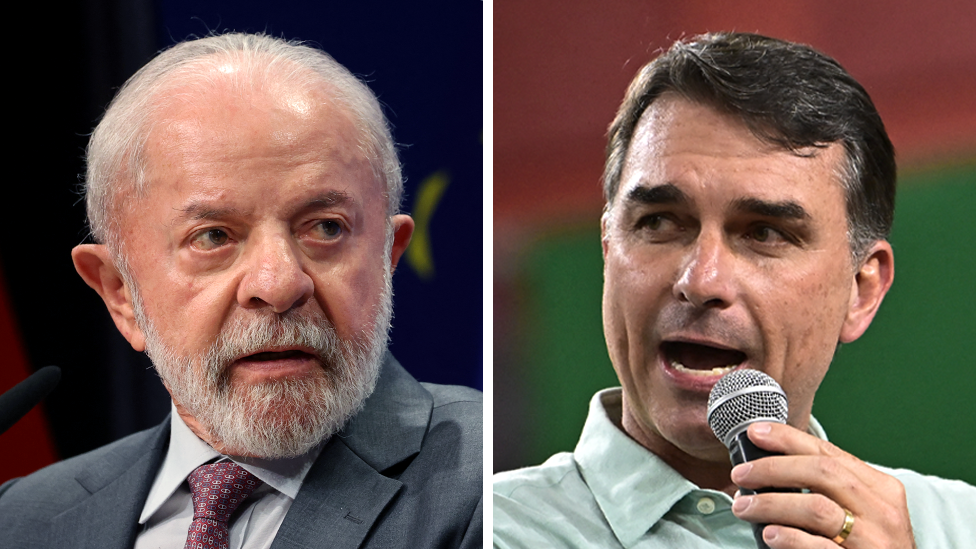
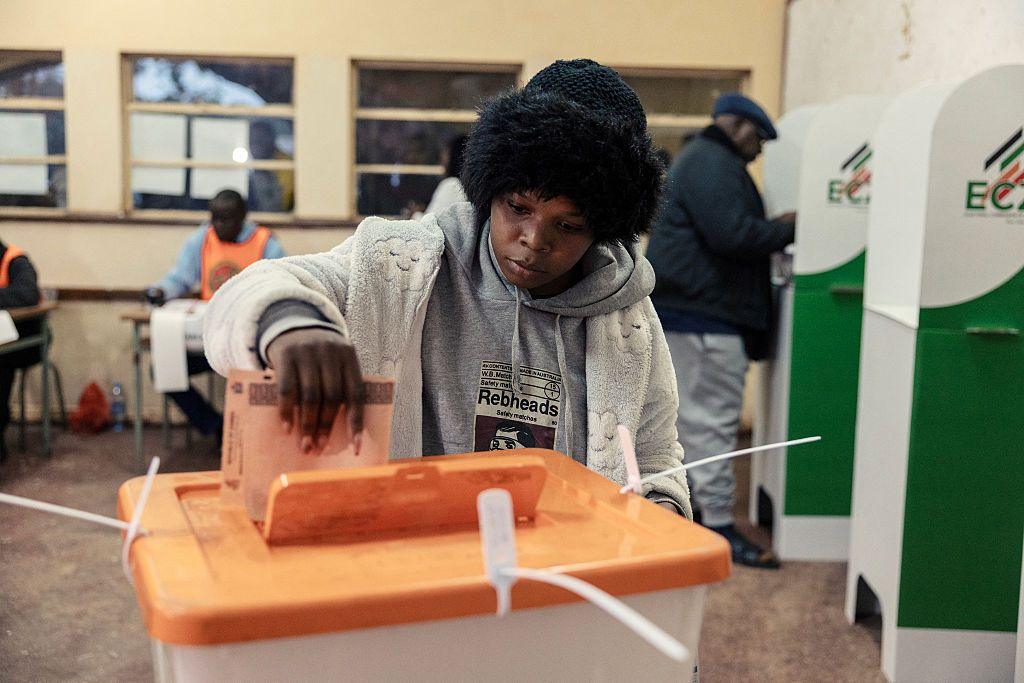
Brazil’s first‑round presidential election drew a record turnout of millions of voters on Sunday. The contest, a battle between veteran leader Luiz Inácio Lula da Silva and right‑wing newcomer Flávio Bolsonaro, was decided early, with Lula securing a plurality of the vote.
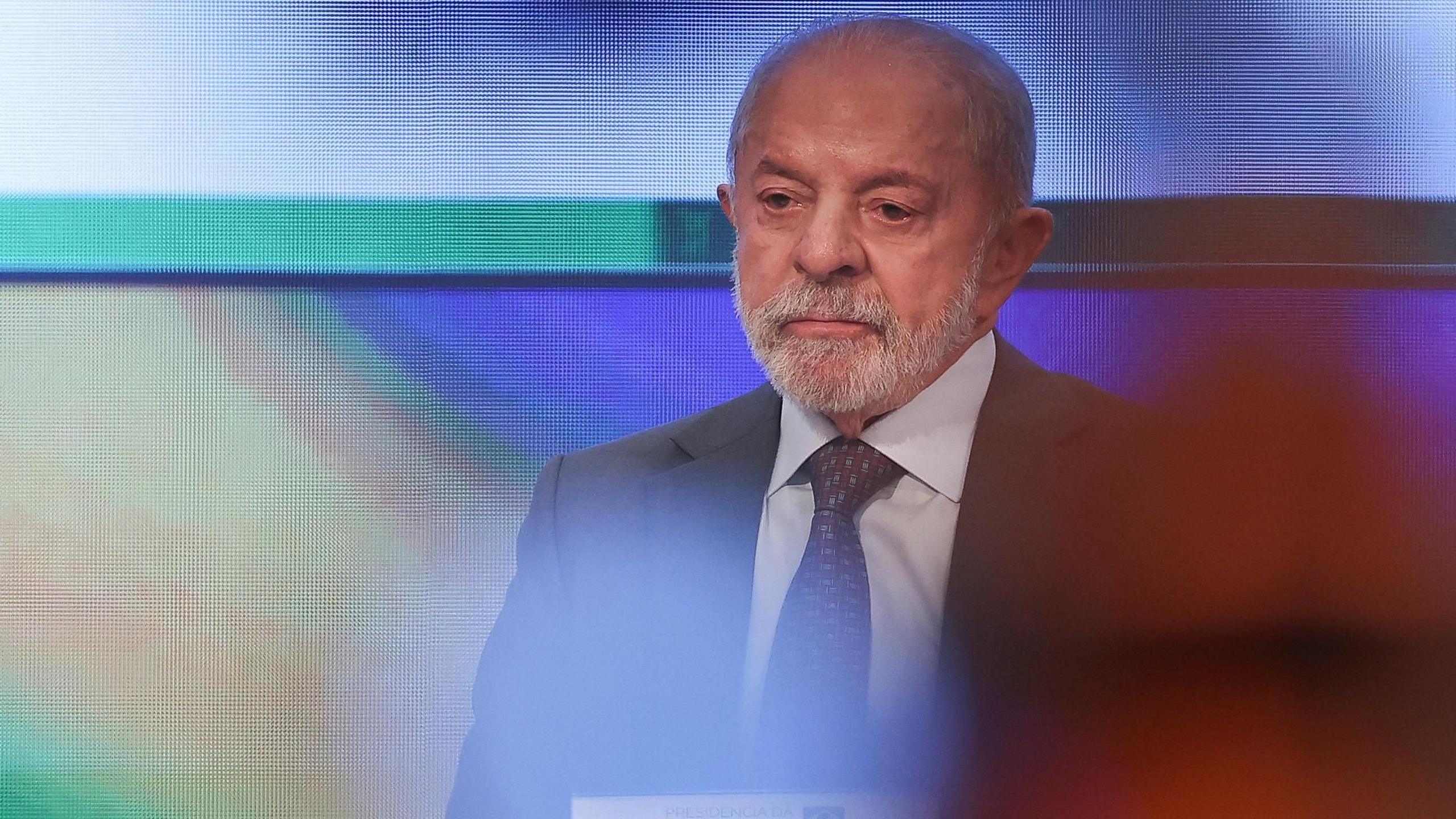
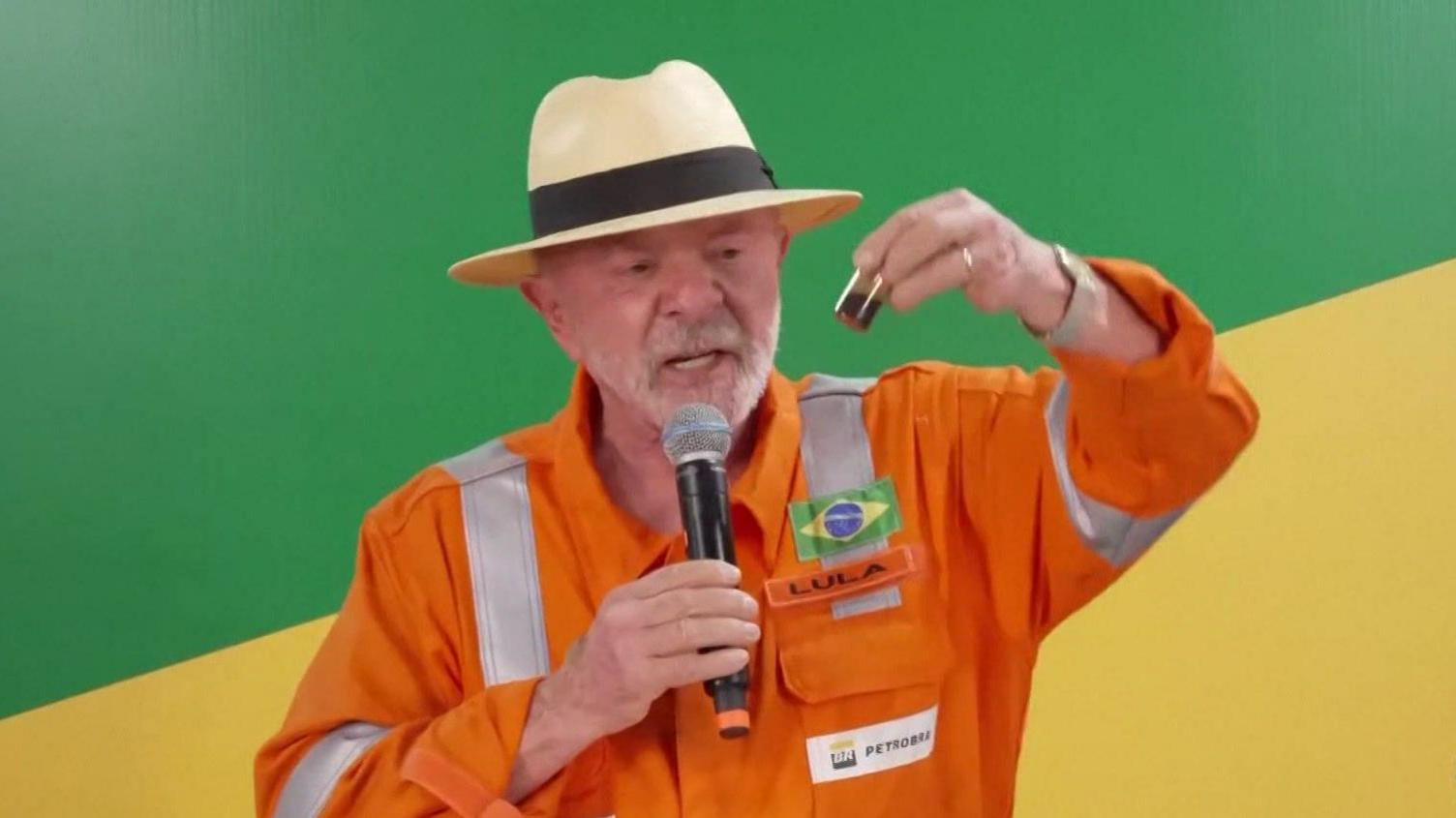
Lula da Silva – 80 – is campaigning for a fourth non‑consecutive term, following his previous presidencies in the 1990s and 2000s. He has positioned himself as the party’s key opposition force to the current administration’s policy direction.
Flávio Bolsonaro – 45 – is running in his first presidential race. He is the son of former president Jair Bolsonaro, who governed between 2019 and 2022. Flávio’s campaign promotes a continuation of his father’s nationalist platform.
The results trigger a run‑off on 25 October, as promoted in Brazil’s political guidelines when no candidate achieves an outright majority. Analysts warn that the second round could reshuffle Brazil’s policy priorities, especially on climate change, economic reform, and social welfare.
BBC correspondent Ione Wells highlights the broader implications: if Lula clinches the second round, Brazil could shift towards progressive reforms; if Bolsonaro wins, the country may see a renewed focus on right‑wing nationalism and an altered approach to international relations.
For those following the story, updates will be posted in the next few days as the country heads into a decisive round of voting. Stay tuned to OnPoint for in‑depth analysis and real‑time coverage of Brazil’s political future.