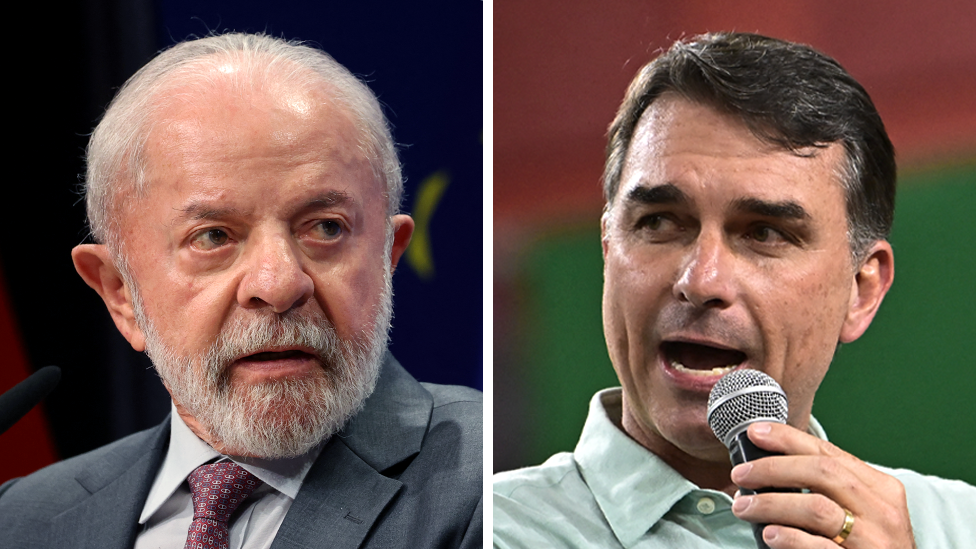
Lula Faces Flávio Bolsonaro in Brazil’s High-Stakes Presidential Race
Brazil’s voters will head to the polls this Sunday for a decisive showdown between former president Luiz Inácio Lula da Silva and the son of former president Jair Bolsonaro, Flávio Bolsonaro.
The incumbent Lula, who left office in 2019 with record approval ratings and a reputation for lifting millions out of poverty, is once again the public face of the country’s left‑wing Workers’ Party. He is positioned to serve a third non‑consecutive term if elected.
Flávio Bolsonaro, a 45‑year‑old senator since 2019, runs for the right‑wing Liberal Party. He pitches himself as a quieter, hard‑on‑crime alternative to his father, courting Bolsonaro’s base while promising to cut regulations and ease burdens on farmers.
According to BBC Brasil’s poll tracker, both candidates hover around the 40% mark, with Lula slightly ahead. The other ten candidates trail at 4% or less, so a runoff between the two is highly likely unless one secures a majority in the first round.
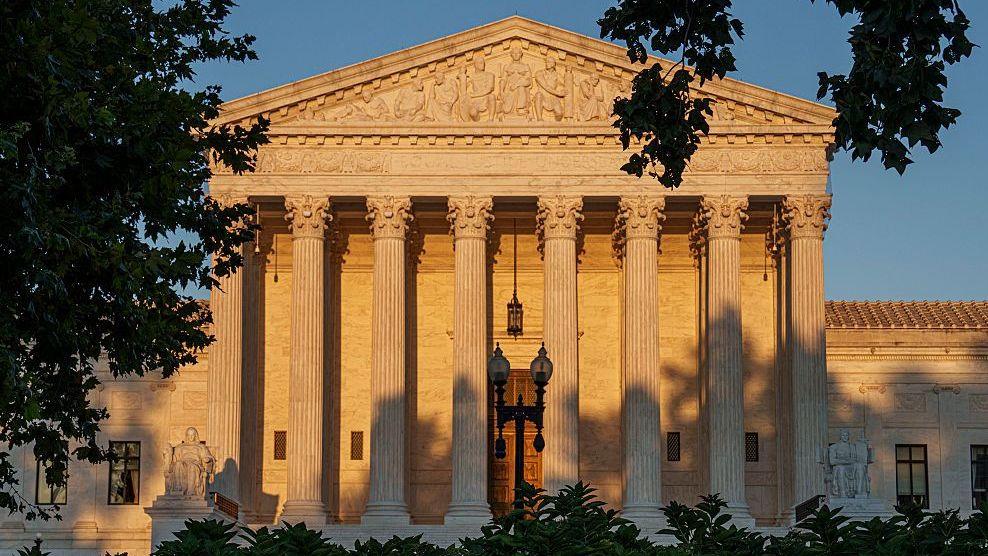
The election is framed by several controversies. A high‑profile deepfake of Jair Bolsonaro endorsing his son’s campaign surfaced during Flávio’s launch, and a Supreme Court justice linked to Bolsonaro has recently faced corruption allegations connected to the banker Daniel Vorcaro, who is also under investigation for funding a biopic on Jair Bolsonaro.
Voters’ concerns have shifted from crime and security in recent weeks toward corruption. The Vorcaro scandal, involving large sums of money and ties to political figures across the spectrum, has propelled corruption to the top of the agenda, eclipsing earlier priorities such as the nation’s fight against deforestation in the Amazon.
Lula stresses Brazil’s sovereignty and his commitment to phased-out fossil fuels, arguing that oil revenue is essential for financing a clean‑energy transition. He cites a near‑record drop in Amazon deforestation during the first half of 2026 as proof of policy effectiveness.
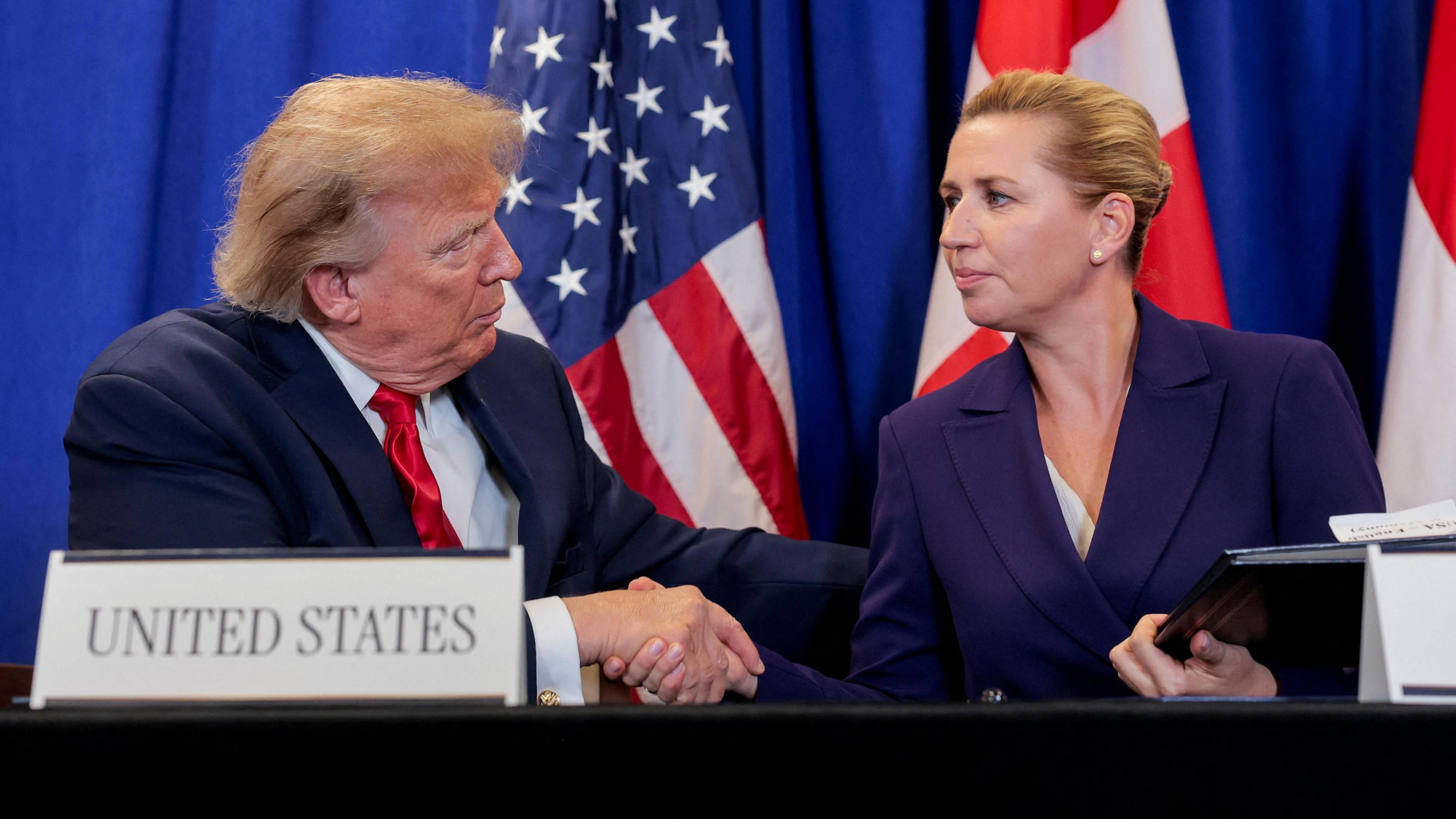
Bolsonaro’s platform focuses on tough‑on‑crime measures, including longer sentences and relaxed gun laws, and he has campaigned with evangelical groups and the agricultural sector. He also promises to join the US‑led “Shield of the Americas” anti‑crime alliance if elected and has maintained close ties to former US President Donald Trump’s administration.
With about 160 million eligible voters and compulsory turnout for literate adults aged 18‑70, the Brazilian electorate is poised to decide the country’s direction. While polls suggest a runoff, the last‑minute shocks from corruption probes and the power of deepfakes keep the outcome uncertain until the final count.