Botched Lethal Injection: What Happened to Christa Pike and What Comes Next
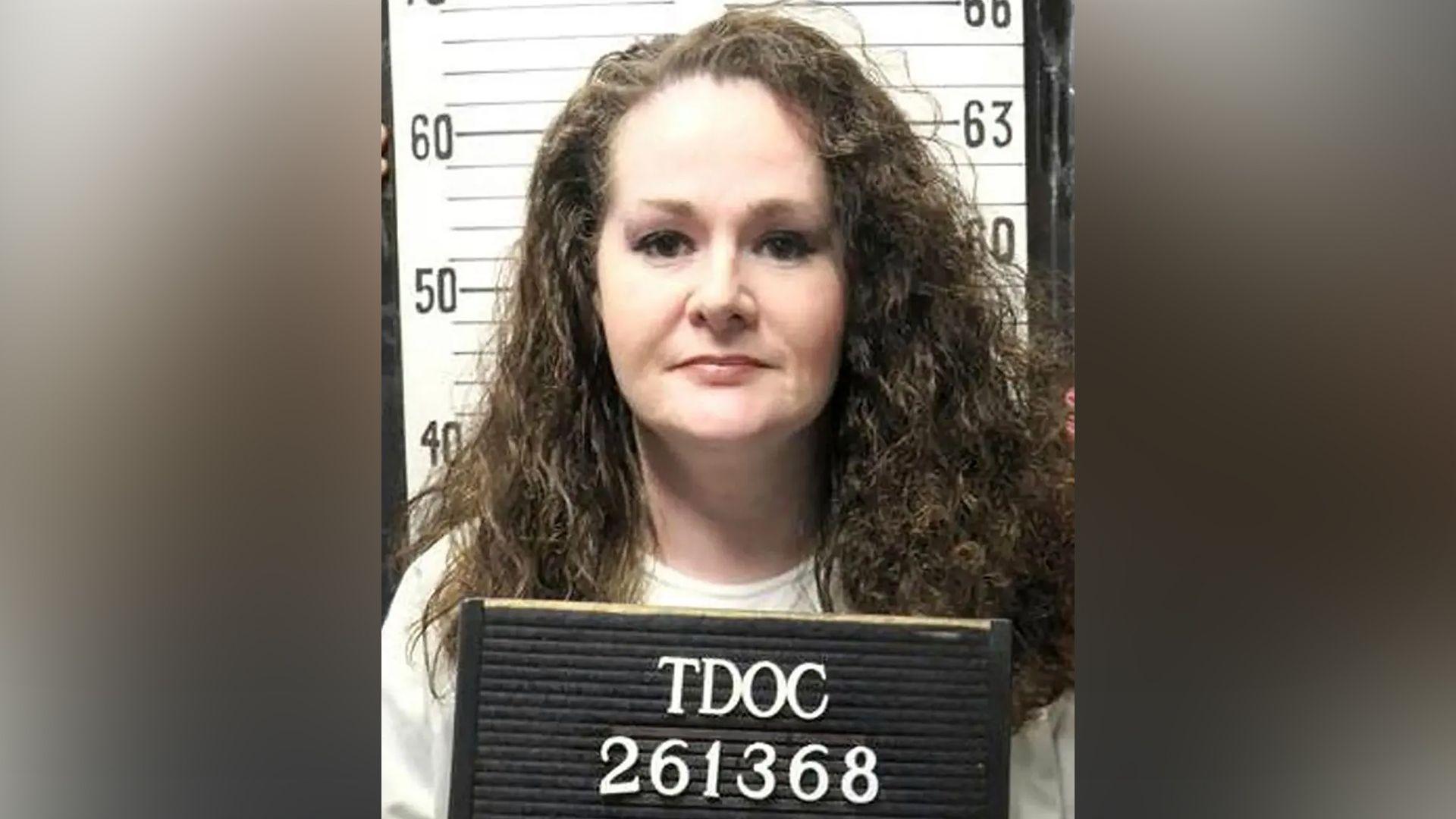
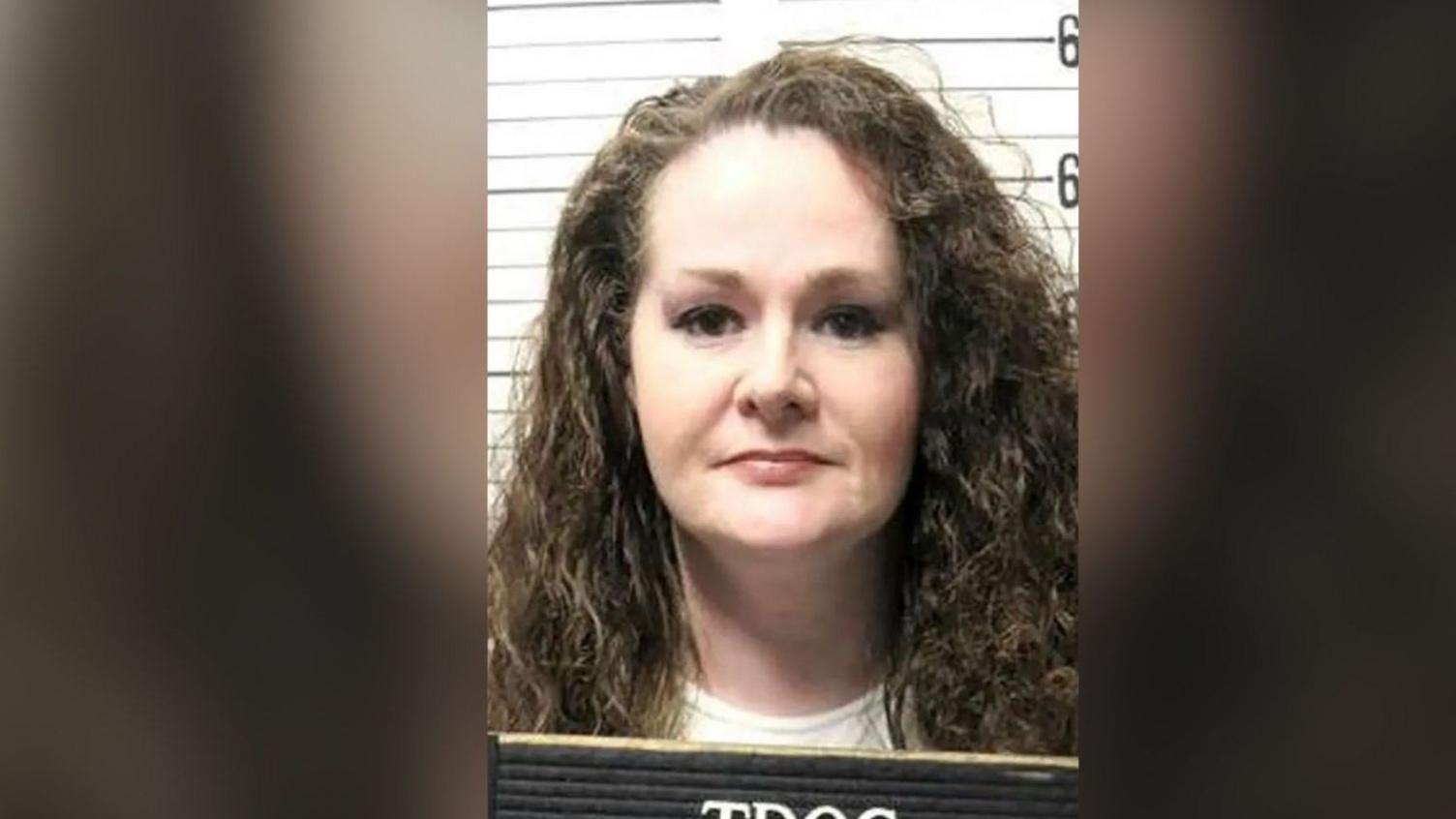
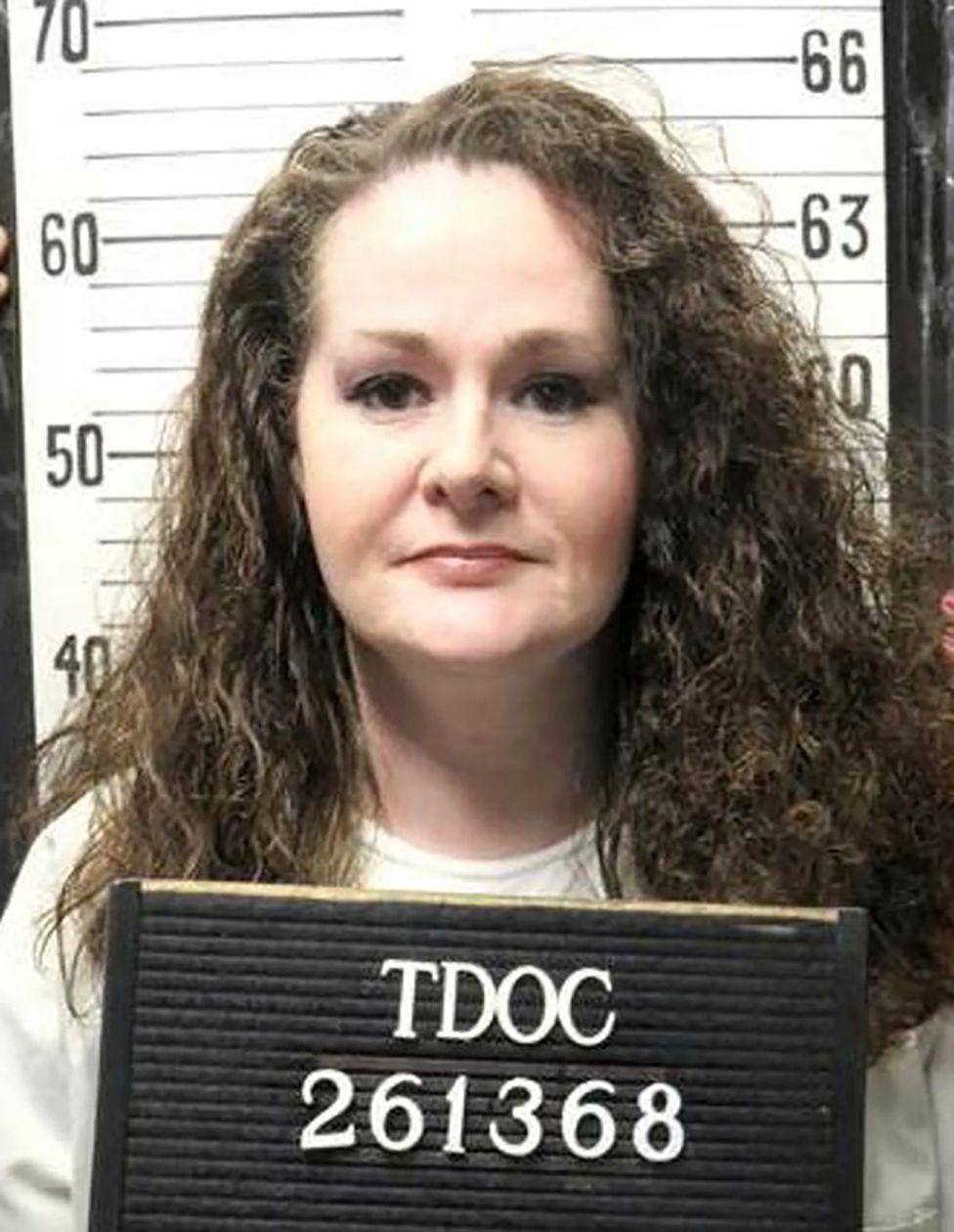
On 1 October 2026, Tennessee authorities attempted to execute death‑row inmate Christa Pike by lethal injection, but the drug pentobarbital failed to halt her heartbeat. Pike survived after two injections, sparking a firestorm of debate over the safety and ethics of the death penalty.
The Failed Attempt
Pike, 50, was sentenced to death in 1996 for the murder of 19‑year‑old Colleen Slemmer, an attack carried out with her then‑boyfriend Tadaryl Shipp. The execution was scheduled for Wednesday evening, just hours before the Supreme Court allowed the use of the drug.
The protocol called for two syringes of pentobarbital. Pike’s lawyers reported the injections stopped her heartbeat, yet she was still breathing, raising immediate questions about the drug’s effectiveness.
Medical and Legal Questions
The Tennessee Department of Correction defended its method, saying the protocol forbids any additional steps beyond what was administered.
Experts such as Dr. Joel Zivot of Emory University suggest the blood level of pentobarbital never reached a lethal threshold, allowing Pike to survive. Zivot warned of possible brain injury due to delayed resuscitation.
Governor Bill Lee ordered a third‑party review and declined to authorize a second execution attempt, citing uncertainty about the procedure’s outcome.
The Public Backlash
Opponents of the death penalty, including Reprieve chief executive Maya Foa, condemned the incident as evidence of the state’s “hidden violence” and called for a comprehensive review of capital punishment methods.
Meanwhile, Michaela Martinez, mother of the slain Slemmer, described the unfolding night as “a mess” and urged for transparency and respect for all parties involved.
Pentobarbital and the Future of Lethal Injections
Pentobarbital is a barbiturate that can sedate and ultimately stop the heart in high doses. The Biden administration banned its use in federal executions, but state‑level protocols, such as Tennessee’s, remain unaffected.
The drug’s availability has become increasingly challenging, with manufacturers refusing to supply it for executions and raising concerns that aging or degraded doses may be less effective.
Has This Happened Before?
This isn’t Tennessee’s first botched execution in 2026—Tony Carruthers’ 1994 murder conviction was postponed earlier in the year after staff couldn’t locate a viable vein.
Nationally, lethal injection has the highest rate of “botched” executions, with over a third of U.S. executions in 2022 deemed problematic or highly questionable.
The incident underscores a persistent crisis: as drug supply dwindles and execution protocols become outdated, the risk of suffering or incomplete deaths rises, fueling calls for an end to capital punishment or at least a thorough overhaul of lethal injection procedures.