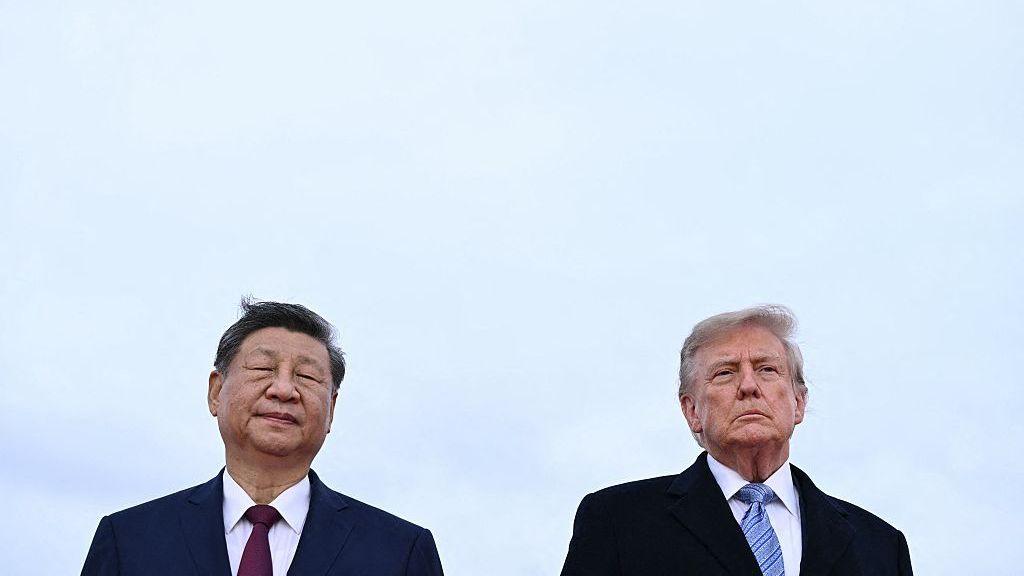
On 27 September 2026, President Donald Trump publicly rejected a proposal from Iran to reopen the Strait of Hormuz, a strategically vital waterway that carries roughly 20 % of the world’s oil and gas transits.
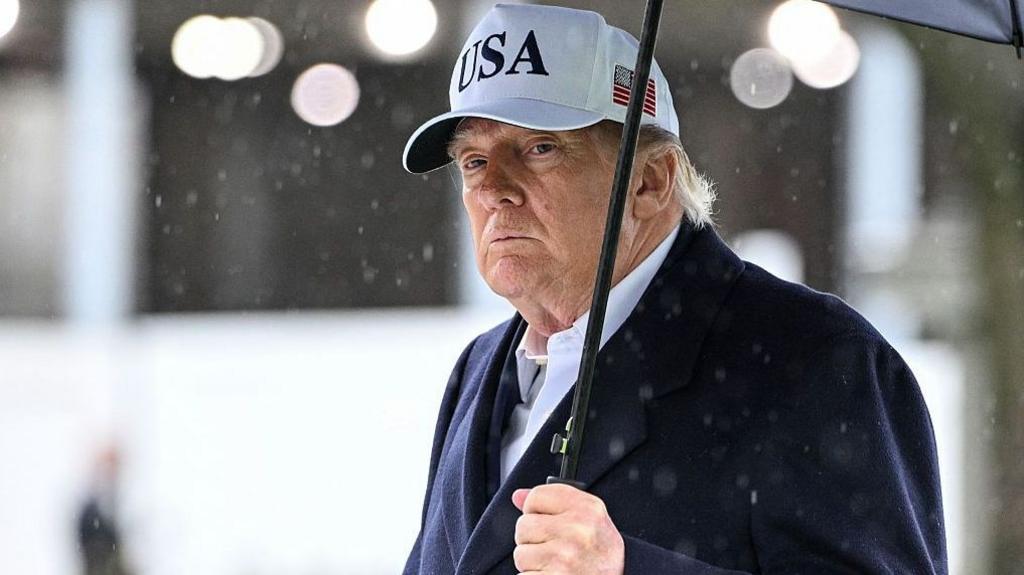
In a brief statement to reporters, Trump called the offer “unacceptable” and asserted that Washington had “total control” of the strait, arguing that keeping it open would inflate global oil prices and burden consumers.
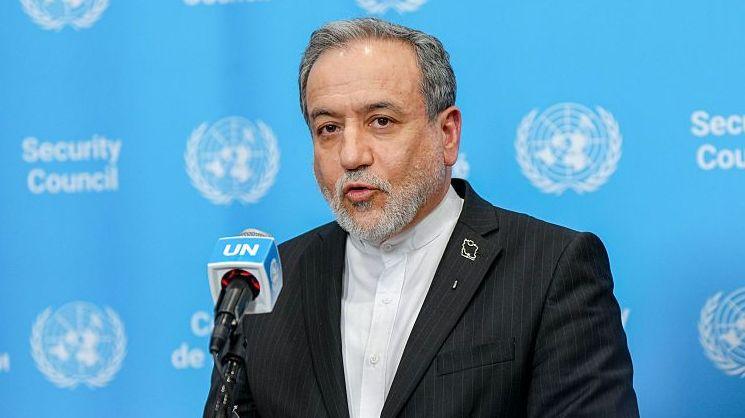
Iran’s Foreign Minister Abbas Araghchi posted on Telegram that Tehran would wait for a definitive U.S. reply, reminding officials of the memorandum of understanding signed in June. He noted the U.S. had previously made contradictory statements about the deal.
During the same week, President Masoud Pezeshkian travelled to New York for the UN General Assembly, where he warned the U.S. to cease attempts to overthrow Iran’s government and insisted that Iran had the right to negotiate in steps to end the impasse. He also addressed concerns about Supreme Leader Mojtaba Khamenei’s health following a U.S. strike that killed his father.
Oman, acting as a mediator, urged all parties to maintain open dialogue and cooperate with its officials to safeguard navigation in the waterway. Oman's foreign minister called for backing from the U.N. to preserve free passage.
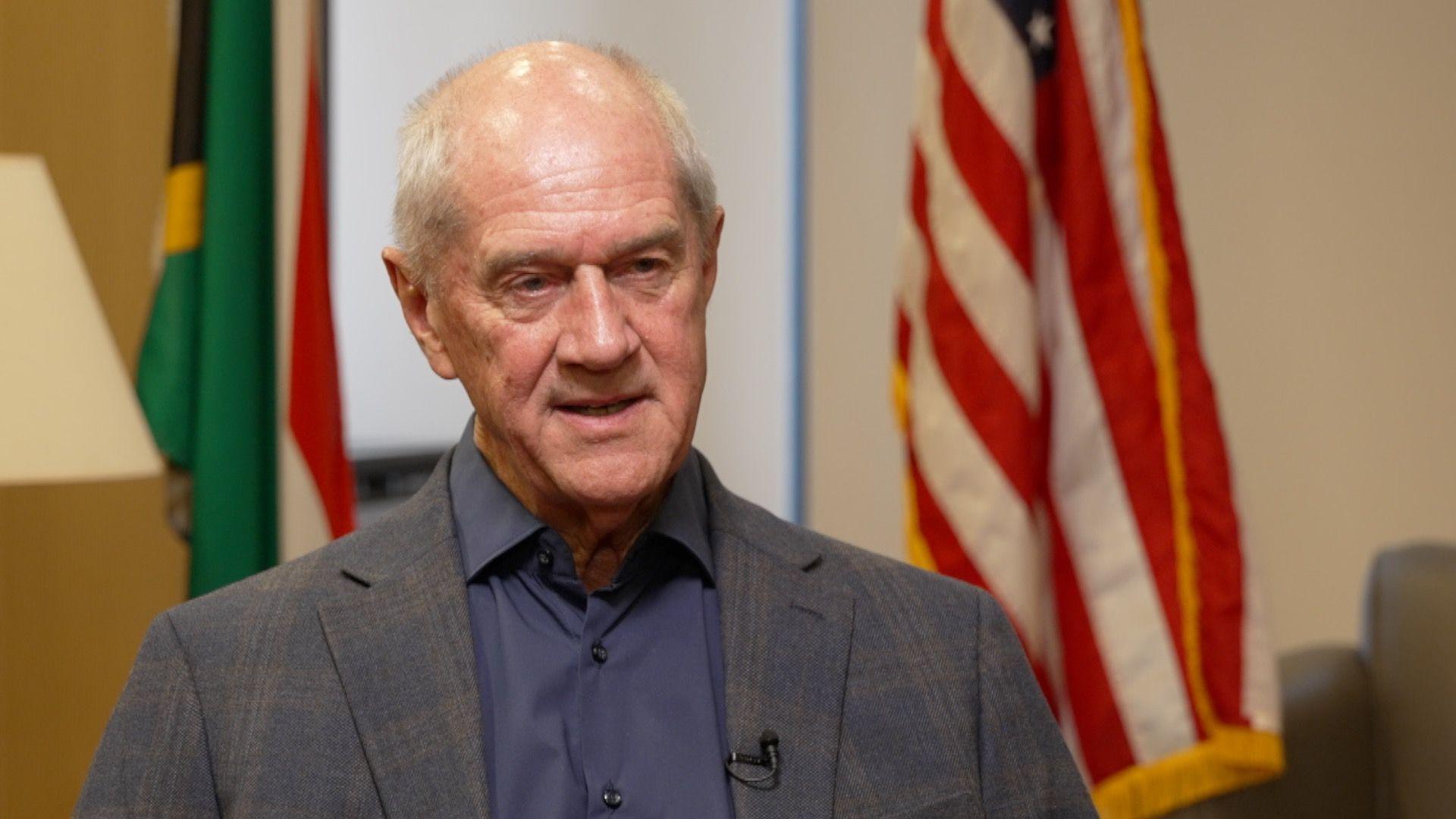
U.S. ambassador to NATO Matthew Whitaker defended Trump’s decision, labeling Iran’s offer as “half‑measures” that aimed to cast a good image. Treasury Secretary Scott Bessent warned that the economic blockade—dubbed Operation Economic Outcast—would hurt Iran, citing halted flights by Turkey, Oman and the UAE and bank restrictions in those countries.
While the U.S. enforces new sanctions, analysts note that China, the largest buyer of Iranian oil, has largely ignored past U.S. pressure, continuing to maintain trade ties and thus dampening the anticipated impact of the blockade.