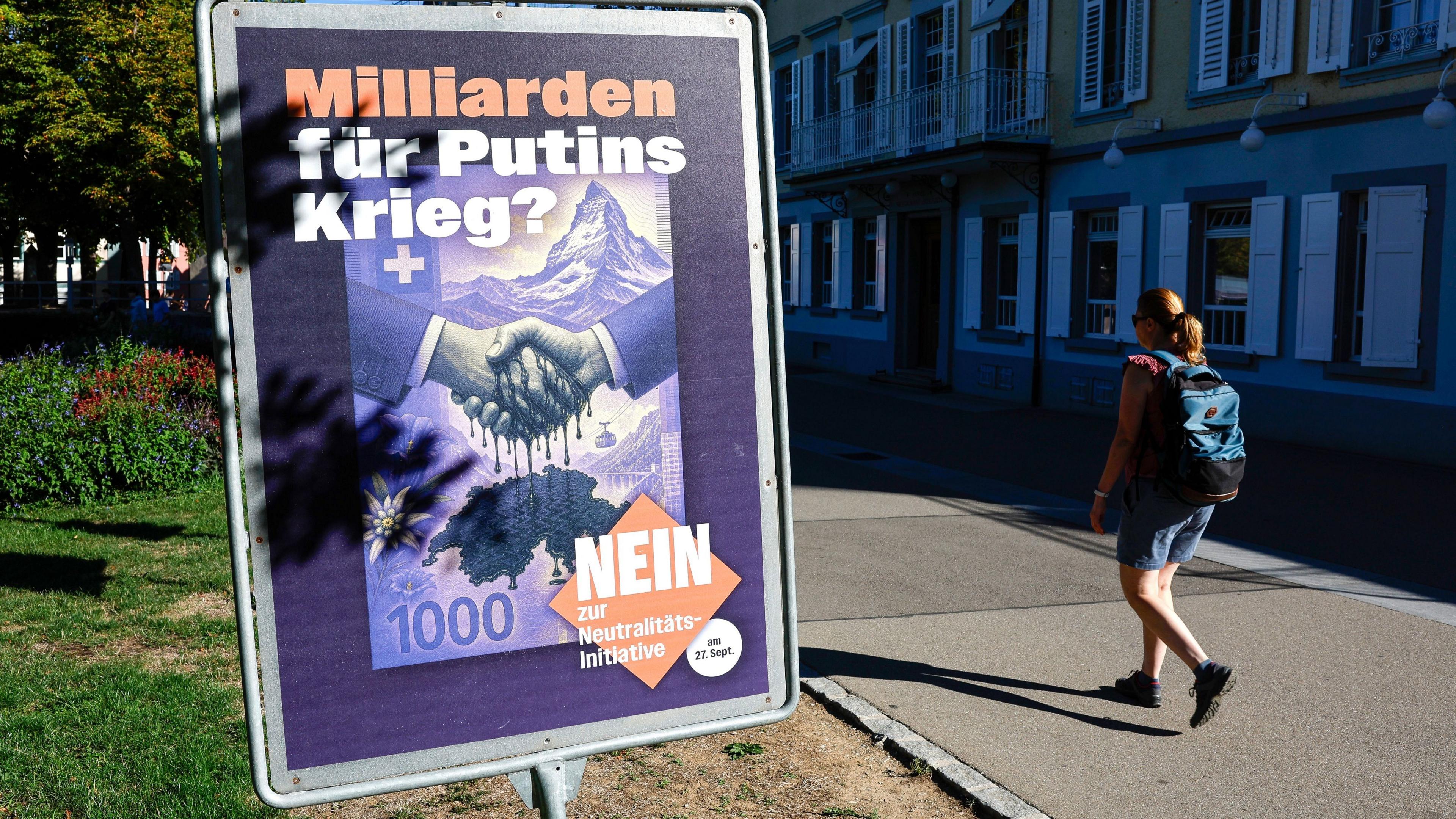
Swiss Voters Reject Stricter Neutrality

In a landslide defeat, more than 70% of voters rejected a proposal that would have tightened Switzerland’s long‑standing policy of diplomatic neutrality, according to official referendum results.
The Measure and Its Implications
If adopted, the amendment would have required the country to seek United Nations approval before imposing sanctions and would have barred closer cooperation with NATO. The proposal would also have prevented Switzerland from evaluating sanctions without external permission, limiting its diplomatic flexibility.
Public Opinion and Political Debate
The initiative was backed by Moscow and the right‑wing Swiss People’s Party, but was opposed by the federal government and all other major parties. The result shows Swiss voters are not rejecting neutrality itself, but rather their stance on sanctions against Russia.
Official Response
Foreign Minister Ignazio Cassis emphasised that neutrality is applied with flexibility, allowing Switzerland to respond to violations of international rules. He commented that neutrality does not mean indifference and that the country will not ignore actions that threaten the rules that enable peace.
Historical Context
Switzerland was recognized as having "eternal neutrality" at the 1815 Congress of Vienna and legally defined by the Hague Convention of 1907, which banned supplying weapons to warring states. The nation has remained neutral through both World Wars, though it has faced criticism for policies such as turning away Jewish refugees and withholding looted gold, for which it later apologized.
Switzerland’s system of direct democracy means key policy decisions are frequently left to the electorate through referenda, as demonstrated by this recent vote.