ICC Arrest Warrant Fails to Stop Netanyahu’s Trip to Washington
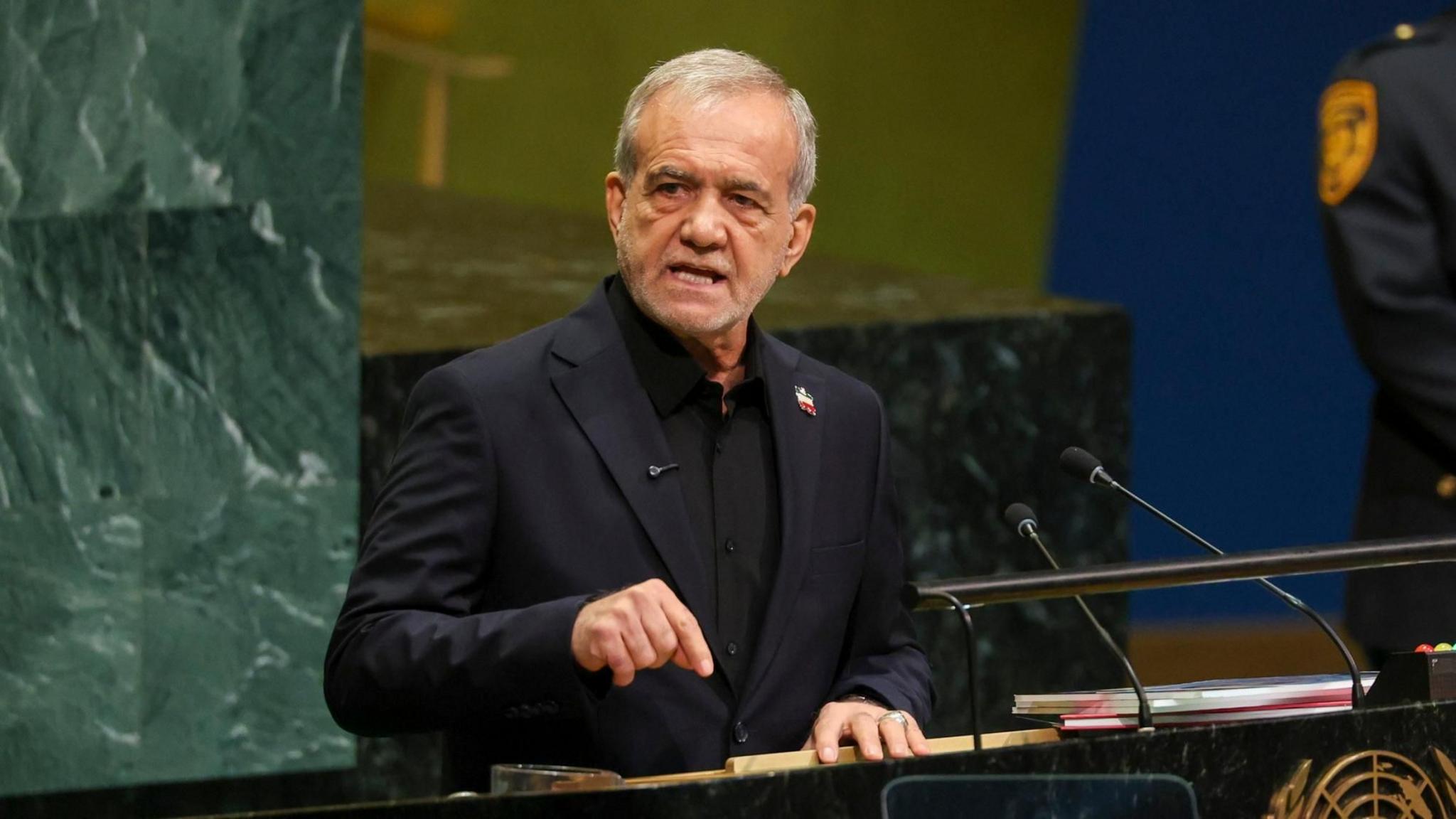
On 24 September, Israeli Prime Minister Benjamin Netanyahu delivered a strongly worded speech at the United Nations General Assembly in New York. He defended his government’s military operations against Iran, in Gaza and elsewhere in the Middle East. The address came despite an international arrest warrant issued by the International Criminal Court (ICC) for alleged war‑crimes.
The ICC’s mandate, covering Israel’s actions in the occupied Palestinian territories, sits in tension with state sovereignty. Because it relies on cooperation from national courts, an arrest warrant is often political rather than enforceable in the United States, where extradition procedures only apply once a formal request is submitted by the ICC.
Netanyahu’s flight to Washington, which is routinely covered by diplomatic immunity, was therefore not hindered. U.S. officials, while acknowledging the ICC’s concerns, indicated that the Israeli leader’s agenda was primarily political – to rally support for Israel’s campaign and to counter calls for a cease‑fire in Gaza.
Analysts point out that the United Nations is not a judicial body and can only invite or condemn diplomats; it cannot enforce the ICC’s warrant. The situation highlights the limits of international criminal law when competing with geopolitical alliances and the realities of state‑state diplomacy.
The incident marks a rare case where a head of state’s international travel is unimpeded, underscoring the ICC’s current challenges in exercising jurisdiction over powerful actors.