Polls close in Brazil as Lula and Flávio Bolsonaro remain neck and neck

Chile.
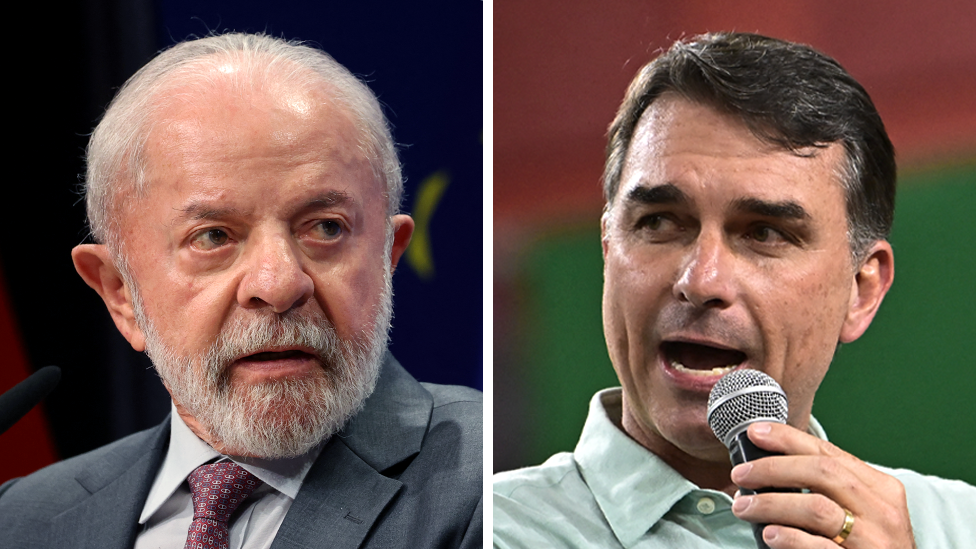
In the country’s first‑round presidential contest, the gap between incumbent President Luiz Inácio Lula da Silva and his challenger Flávio Bolsonaro has narrowed to just two percentage points, making a run‑off likely if neither candidate gains a majority.
The 80‑year‑old Lula warned that the electorate must choose “democracy or barbarism” after he cast his ballot. Bolsonaro, 45, pledged to “free the people” and appealed to voters who favour a more conservative agenda.
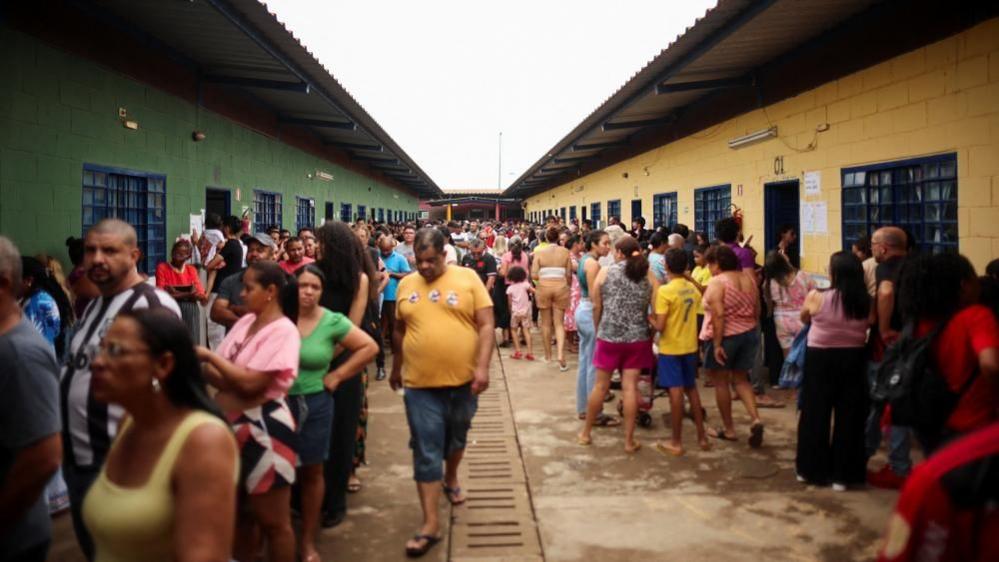
The Superior Electoral Court said more than 158.7 million Brazilians, including a million overseas voters, were eligible to vote. Electoral officials expect the official results to be displayed within hours, thanks to the country’s electronic voting system.
If the election goes to a second round on 25 October, the outcome will shape Senate seats for the next four years; 54 of the 81 Senate seats will be up for election.
The Senate’s current strongest bloc is Bolsonaro’s Liberal Party, closely followed by the Social Democratic Party, which is part of President Lula’s coalition. A Lula victory would shift the coalition balance and could upset Washington’s trade and security initiatives, while a Bolsonaro win would extend a right‑wing wave across Latin America linked to former U.S. President Donald Trump.
Overseas results hint at a split electorate
Early reports from overseas jurisdictions show Lula leading in China (56.6%), South Korea, New Zealand and Saudi Arabia, while Bolsonaro takes a decisive win in Israel (74.4%) and Japan (71.6%).
The election also reflects lingering tension from last year’s crisis, where former president Jair Bolsonaro was convicted of attempting a coup and is currently under house arrest. His son Flávio, who runs in this election, continues to receive support from the former president’s supporters.
Official tallies will appear soon, but analysts predict a highly contested result that could either validate Lula’s left‑wing agenda or usher in a decisive right‑wing strategy across Latin America.