US Imposes Ban on Canadian Alcohol and Dairy as Trade Conflict Intensifies
The United States has officially imposed bans on Canadian imports of alcohol, dairy and motorcycles, a retaliatory step in a growing trade standoff between the two neighbour economies.
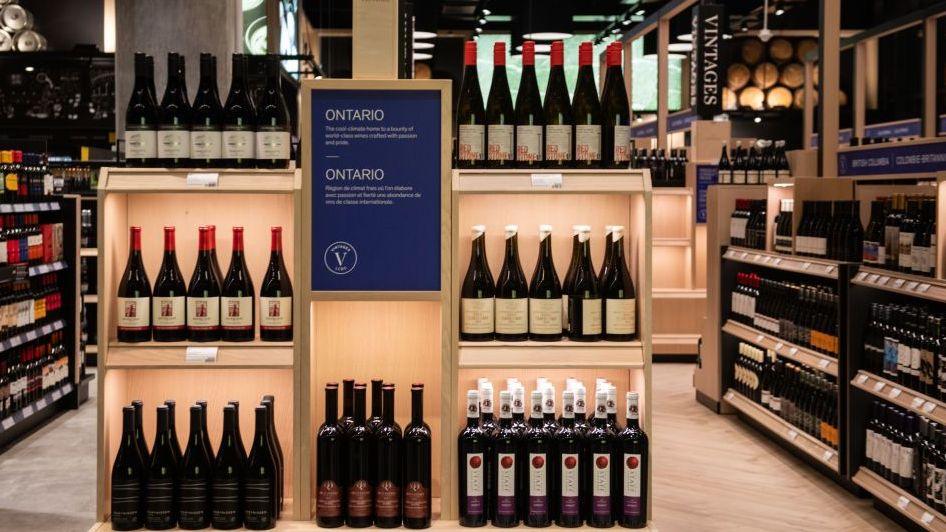
President Donald Trump’s administration announced the bans on September 8, citing ongoing discrimination by Canada in areas such as dairy, automotive and alcohol markets. The decision affects almost 90% of Canadian liquor exports—estimated at close to C$1 billion (US$710 million) this year—alongside protein‑powder whey products and roughly 5,000 motorcycles, worth about C$120 million.
Canadian Prime Minister Mark Carney has dismissed the impact as “modest,” and trade specialists predict that although the measures hurt some targeted sectors, they are largely symbolic. The ban comes after Canada itself levied tariffs ranging from 15% to 50% on more than 700 U.S. products, with an additional 25% on certain steel and aluminium goods.
Spirits Canada, the industry body representing producers, warned that the consequences “could be significant” for the domestic wine and spirits sector and linked to the decision at Spirits Canada’s statement. Economists note that the uptick in tariffs will likely raise consumer prices and increase uncertainty for businesses that rely on cross‑border trade.
U.S. trade representative Jamieson Greer told CNBC that President Trump is “comfortable” with the current relationship with Canada, though he added that trade talks remain stalled and urgent action is not required on the U.S. side.
The escalating tariffs underscore the fragile nature of North American trade as both sides continue to employ protective measures, heightened by Trump’s relentless pursuit of higher border duties to bolster the United States’ economic agenda.