AI talks take centre stage
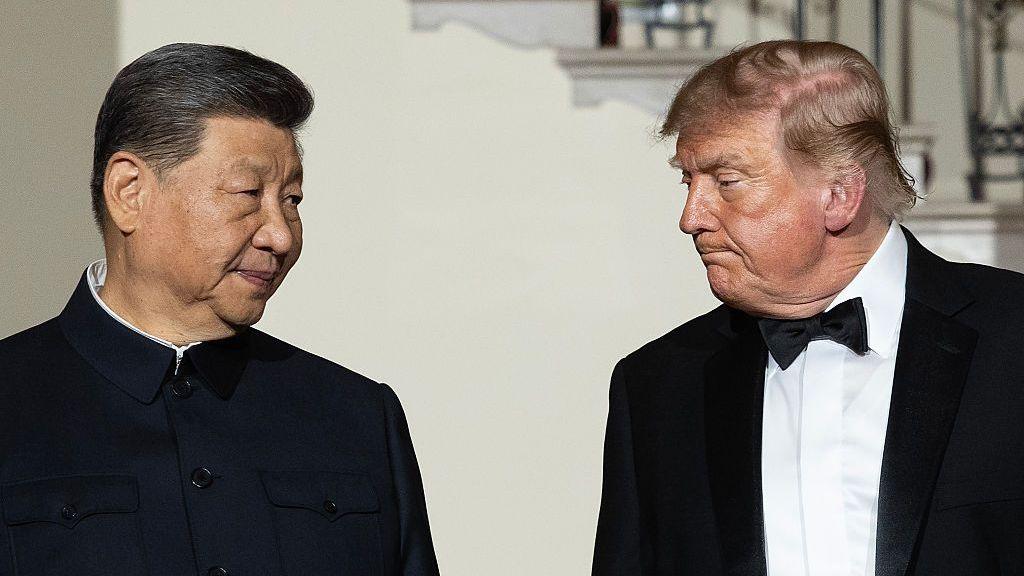
After months of rivalry, Beijing and Washington agreed to hold a dedicated dialogue about artificial intelligence. The two sides set a timetable for further meetings at the end of November and promised to create a communication line that would flag unintended escalations during AI related incidents.
Short‑term trade truce
The leaders extended a brief two‑month reprieve from the wholesale tariffs that had lifted last May. The agreement eased duties on about $30 bn of goods, from toy batteries to Christmas decorations, and included a pledge for the U.S. to buy ten million metric tons of coal in 2027‑28. Beijing, however, said it would not open the iron gates to American companies until the requisite licensing procedures are completed.
Absence of Taiwan on U.S. agenda
While Chinese officials pushed the issue of Taiwan independence, Washington made no public mention of the island. U.S. officials recalled that Trump had asked Xi whether the U.S. would back Taiwan in a conflict. The silence, observers say, signals the precarious barometer of power‑balance negotiations.
Investment and travel rhetoric
China announced it will allow more foreign financial firms, including U.S. banks, insurers and asset managers, to apply for business licences. Chinese regulators warned that all approvals remain subject to national security and domestic regulation, keeping the door partially closed. How much that will foster cross‑border capital inflows remains unclear.
Across the three corners of technology, trade, and territorial dispute, the summit made more conversation and less choice – a familiar pattern for high‑stakes diplomacy.