Donald Trump’s $5,000 Pledge: A Legal and Fiscal Challenge
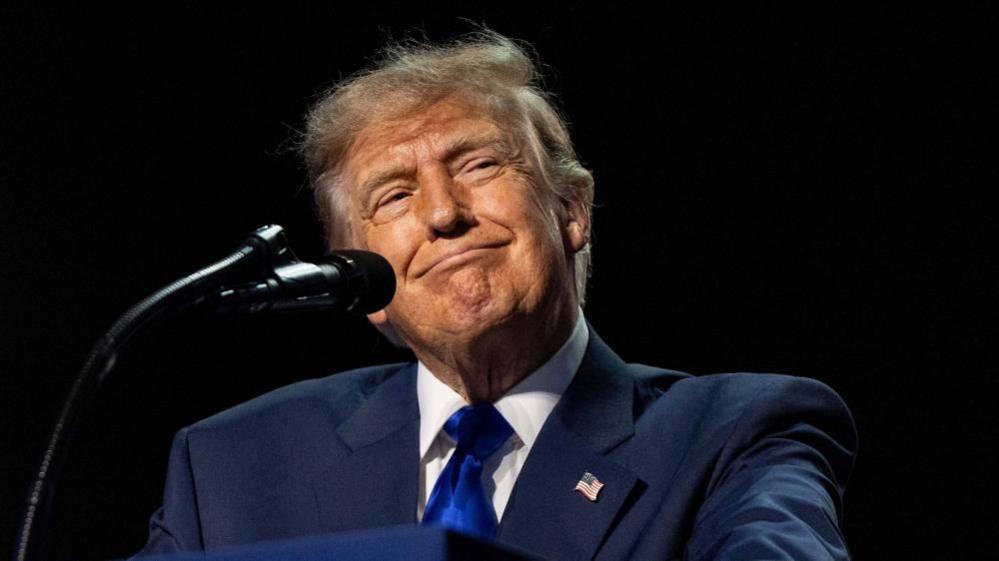
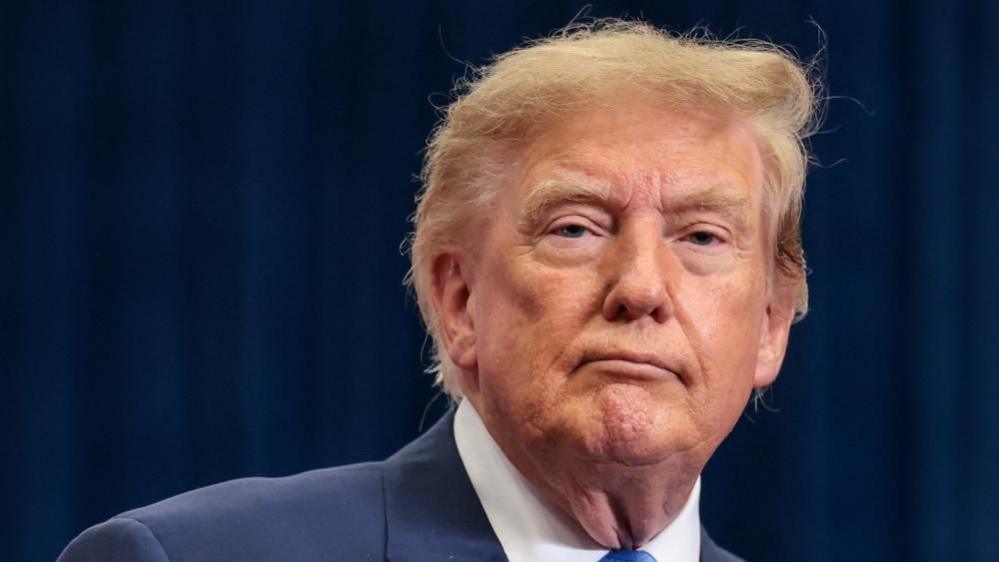
On the eve of the 2026 U.S. midterm elections, former President Donald Trump announced a pledge that would give every American $5,000 if Republican candidates won seats in the House of Representatives. The promise—equating to roughly £3,700 in British currency—would generate an unprecedented $1.3 trillion outflow by the government, a figure that has drawn swift criticism from across the political spectrum.
While the offer was presented as a bold incentive for the electorate, no details were given on how the funds would be raised or distributed. In an interview, Trump’s spokesman hinted at the use of “private funds” but offered no specifics. This lack of transparency has fueled concern among lawmakers, prompting a flurry of inquiries into the constitutional permissibility of such a pledge.
Democratic officials have branded the proposal as an “empty promise,” contending that it either violates the Constitution’s prohibition against using public funds for campaign purpose or could amount to a bribery of voters. In a statement released by the Senate Democratic caucus, the group emphasized the potential legal ramifications of tinkering with the allocation of federal money for political ends.
Legal scholars have dissected the Trump pledge under several angles:
- Bureaucratic Limits: Presidential spending is governed by the Federal Grants and Contracts Act, which requires a clear legislative override or a statutory appropriation for any expenditure that benefits the public. Without a budget line, the pledge may lack statutory footing.
- Campaign Finance Laws: The Federal Election Campaign Act (FECA) forbids the use of public funds to influence elections, raising the risk of violating anti-bribery statutes.
- Emergency Powers: Some argue that the executive’s emergency powers could be invoked to justify extraordinary spending, but such a justification would still need a WHOOPS contingency.
- Prior Cases: Historically, presidents have avoided cash promises, favoring public service initiatives. The lack of a precedent may leave the pledge legally untenable.
While Trump’s campaign team insists the pledge is part of a broader “build‑back‑better” platform, critics question whether this ambitious financial gambit is more about electoral influence than policy. Political analysts note the potential impact on the public’s perception of the election, as well as on the long‑term fiscal implications if a significant portion of the $5,000 disbursements were to materialize.
The legal community remains divided; some attorneys say the President may have limited discretion under the guise of “limited authority” while others declare the pledge outright illegal. The eventual fate of the promise will likely settle in courts, but until then, the pledge remains a controversial and unverified assertion.