Iran Referenced to UN Security Council over Nuclear Compliance
In a landmark move, the International Atomic Energy Agency (IAEA) has formally referred Iran to the United Nations Security Council, citing a failure to meet obligations under the nuclear non‑proliferation treaty. The resolution, adopted by the board of governors in Vienna, warns that Iran's nuclear stockpile and opacity around nuclear sites are unacceptable realities for the global community.
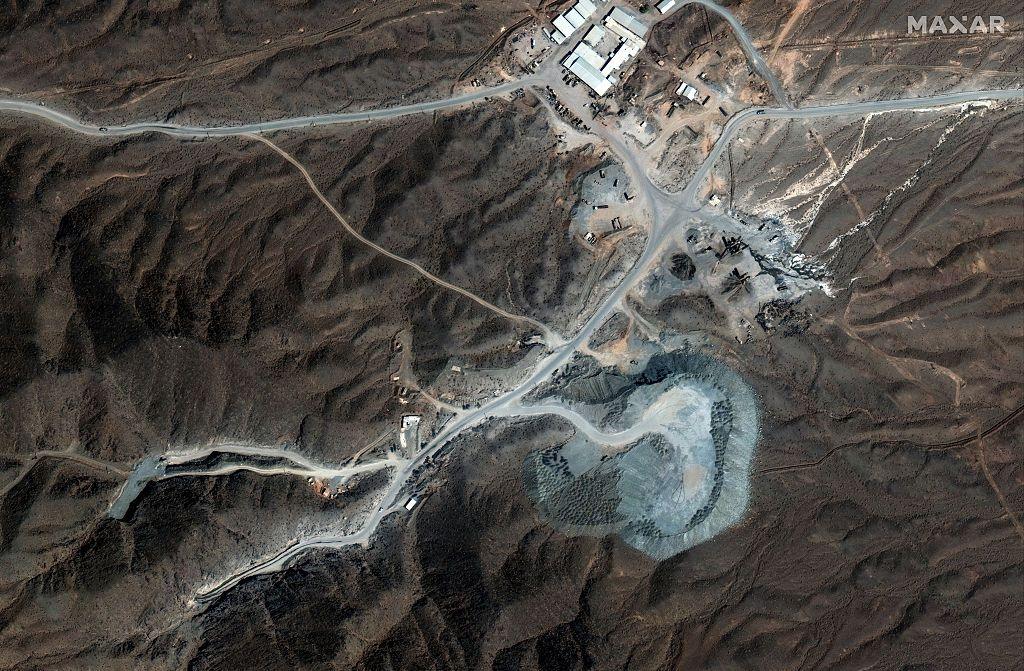
Key elements of the IAEA review cited missing data on Iran’s uranium inventory, particularly its reserve of 60 % enriched material that could be swiftly upgraded to weapon‑grade 90 % purity, and a blanket refusal to grant inspectors access to facilities in Natanz and Fordo. Tehran’s defense echoed these points, framing the lack of inspections as a direct consequence of U.S. and Israeli air strikes that have repeatedly punctured Iran’s nuclear hubs.
Complicating matters, the Security Council’s 23‑member resolution received 23 votes in favour, while China, Russia and Niger voted against. With both China and Russia holding veto power, the likelihood of fresh sanctions or enforcement measures remains limited, though the resolution places the pressure back on the international community to respond before further destabilisation.
The United Kingdom, France, Germany, and the United States have spearheaded the IAEA push, voicing concerns that Iran’s nuclear programme transcends its stated "peaceful" purpose. The United States, Israel and several European nations maintain that Tehran’s strategic posture already demands heightened scrutiny amidst a tense regional conflict that escalated on 28 February.
Iran insists that any reciprocal inspection access must be part of a broader peace settlement that ends the current war. The Iranian deputy foreign minister, Kazem Gharibabadi, criticised the UN move as a "pretext" born from the disruption of verification processes by pre‑emptive attacks.
If the United Nations moves forward with further action, the experience of the last week’s 12‑day bombing campaign shows that the international response will account for the logistical and diplomatic ramifications of confronting Iran over its nuclear ambitions.