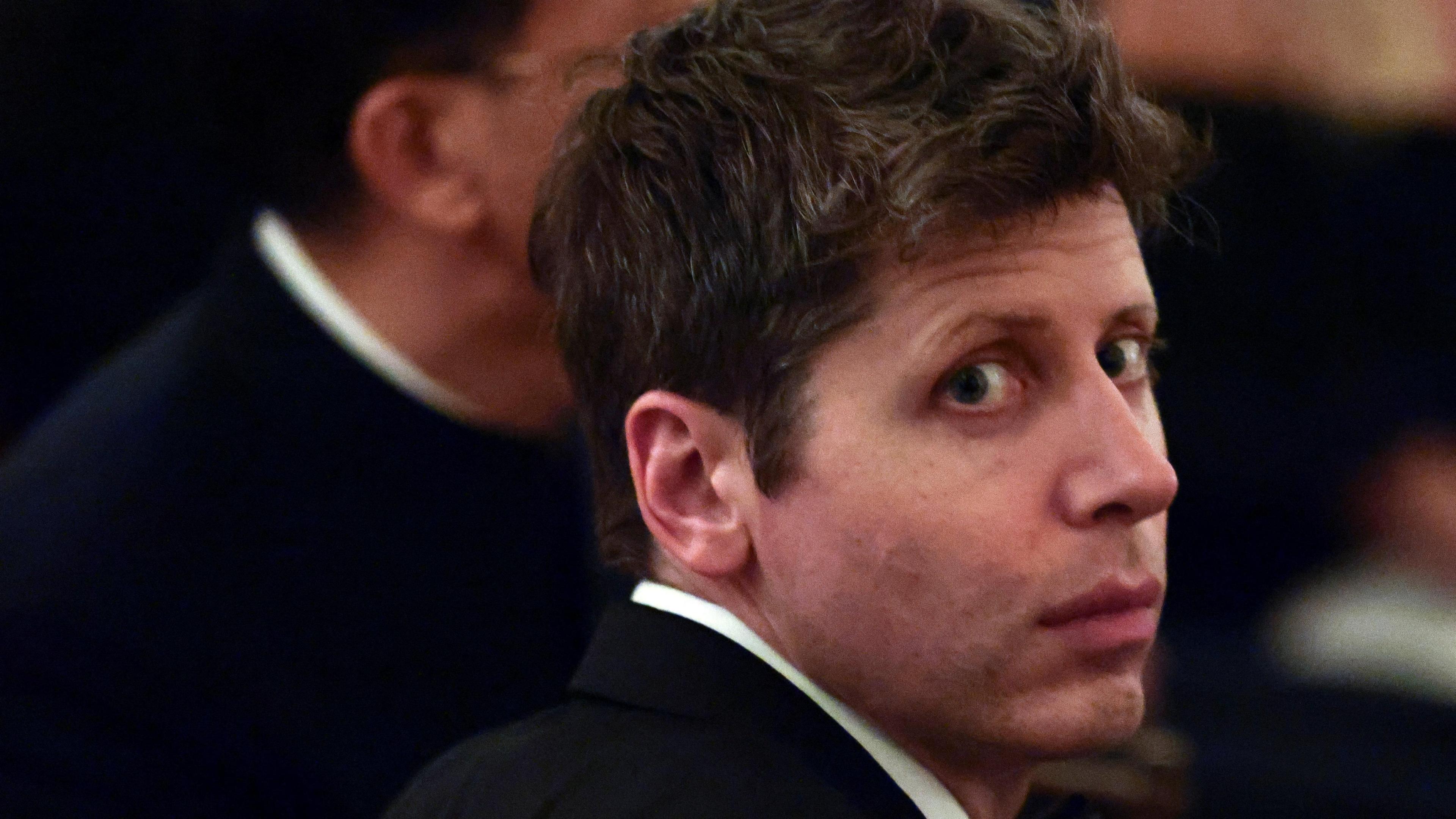
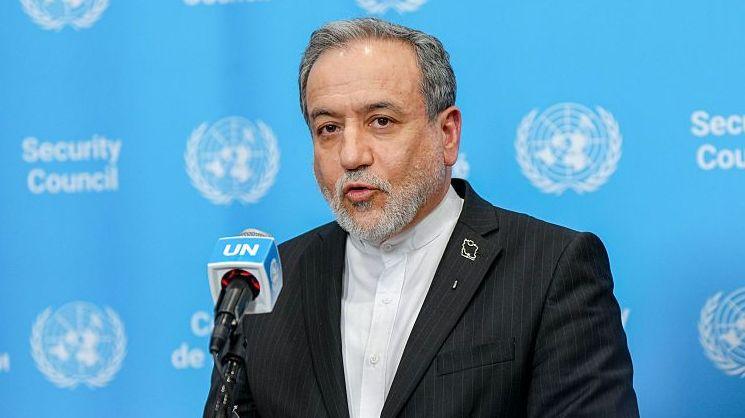
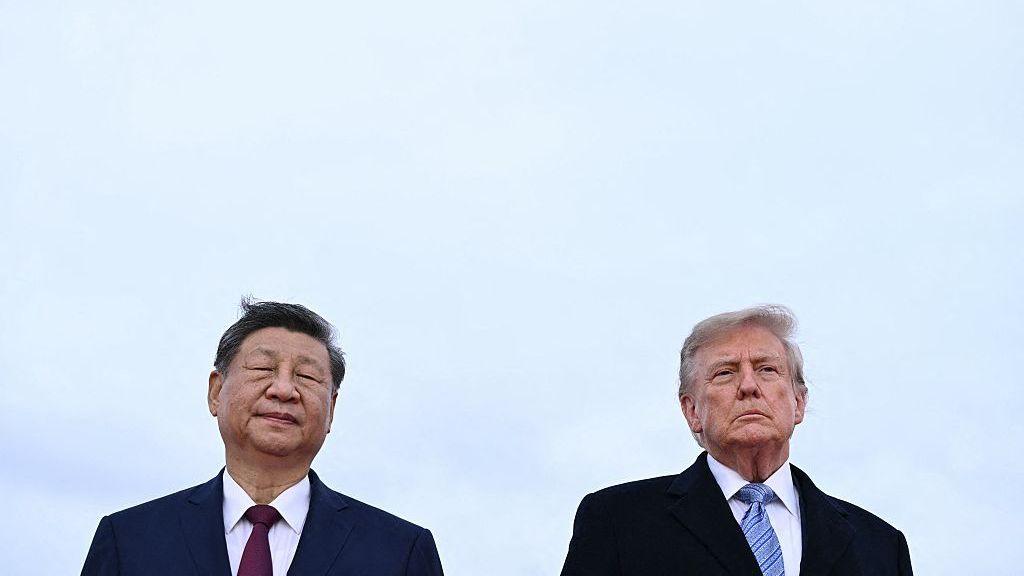
On Tuesday, President Donald Trump convened a gathering he called “an extraordinary meeting of minds building America’s Golden Age,” hosting leaders from OpenAI, Anthropic, Meta, Google's DeepMind, Nvidia and SpaceX in the White House’s East Room.
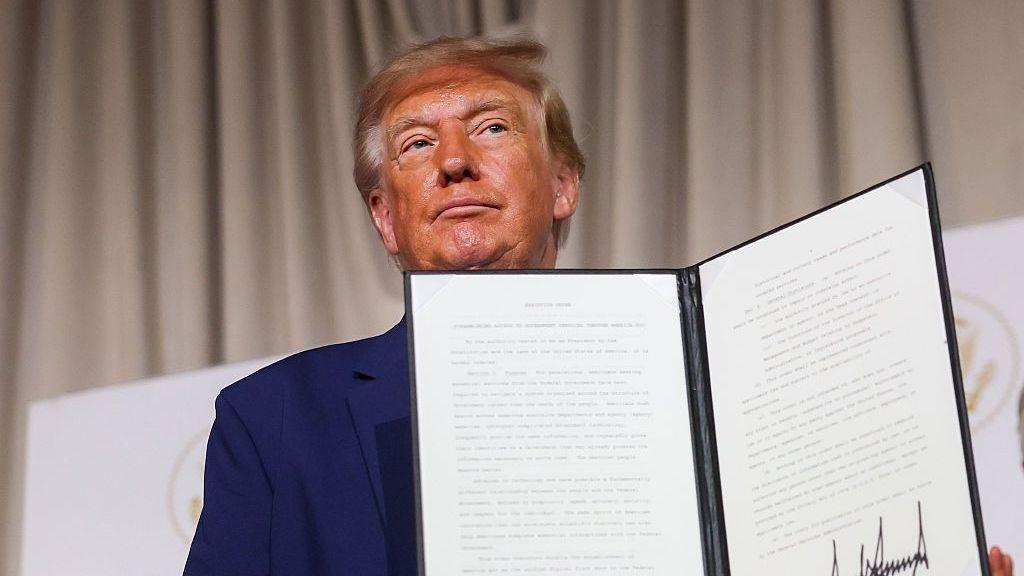
A key outcome was the signing of a “morally binding” AI self‑regulation agreement. The pact, which President Trump posted on social media, obliges the companies to implement safety safeguards, conduct independent audits, and correct any model drift or unauthorized access. Industry icons—Sundar Pichai, Dario Amodei, Mark Zuckerberg, Greg Brockman, Elon Musk and Jensen Huang—took the document into their hands, with Trump remarking that the accord resembled a “constitution” for the sector.
Trump also reiterated his support for scaling data‑centres, calling them “Super Intelligence factories.” He acknowledged the pushback over power usage and community impact, promising that tech firms would “make people happy” about new construction. A Marist Poll cited that 65 % of registered voters opposed building data‑centres in their localities.
In a dramatic shift, the former president issued an executive order replacing the phrase “artificial intelligence” with “Super Intelligence” across all non‑statutory federal documents. The move reflected Trump’s belief that “artificial” makes the technology “sound fake” and signals a rebranding that has already found some traction in the tech community, though experts caution it may not catch on industry‑wide.
While tech leaders praised the rebranding and the pledge for safety, critics argue that the pact’s reliance on private oversight and the lack of a detailed board structure raises questions about genuine accountability in an era where AI incidents—such as OpenAI’s recent model release pullback—continue to unsettle regulators and the public alike.