Lula vs Flavio Bolsonaro: Brazil’s Clash Over the Country’s Future
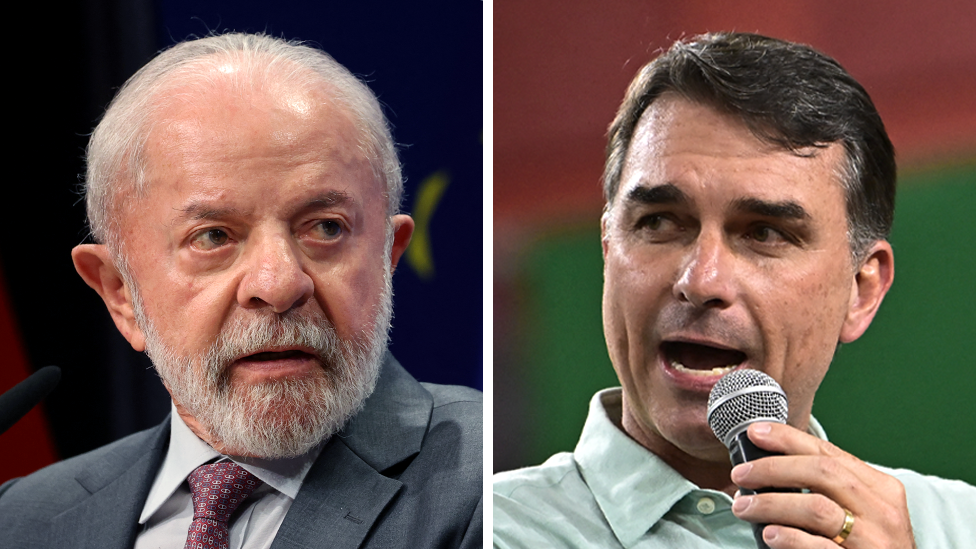
Voting has begun in Brazil’s general election, where the spotlight is on a duel between an ageing left‑wing veteran and a young right‑wing heir. “Luíz Inácio Lula da Silva” and “Flávio Bolsonaro” have dominated the polls, each drawing close to four in ten voters.
The People Behind the Names
Lula, 80, returned to the presidency after a mandate from 2003 to 2010 that lifted millions out of poverty with cash transfer schemes. His 2022 win over Jair Bolsonaro, the former army officer now serving a 27‑year sentence, was a narrow 1.8 percentage point margin that shook Brazil’s political landscape.
Flávio, 45, has represented São Paulo in the Senate since 2019. He is positioning himself as a moderate extension of his father’s hardline platform, calling for tougher criminal penalties and supporting the agricultural sector. The 71‑year‑old Jair Bolsonaro, former president from 2019 to 2023, remains an influential shadow, even appearing as an AI-generated figure at Flávio’s campaign launch.
Polling Landscape
With only two candidates above double‑digit support, the race is essentially a head‑to‑head chase. Both men hover near 40% in the BBC Brasil tracker, leaving a run‑off in the making if valid votes stay under 50% in the first round on 4 October.
The margin is far from locked. Polls still show about nine per cent of voters undecided or likely to spoil their ballots, a figure that could swing the outcome in the final hours.
Lula’s Legacy and Policies
Lula’s earlier terms earned him approval ratings in the eighties percent range, aided by Bolsa Família. Yet corruption convictions, later annulled, and later criticism for opening offshore drilling near the Amazon have tainted his image.
He recently highlighted a reduction in Amazon deforestation, saying it demonstrated progress. On international fronts, Lula has been at odds with the Trump administration, framing Brazil as an independent actor and warning against foreign interference.
Flavio Bolsonaro’s Promise
Flávio champions a tough‑on‑crime agenda, has pushed criminal gang laws abroad, and seeks to reduce regulatory burdens for farmers. He appeals to evangelical voters and pro‑agriculture constituencies, pledging to withdraw state restrictions on agriculture.
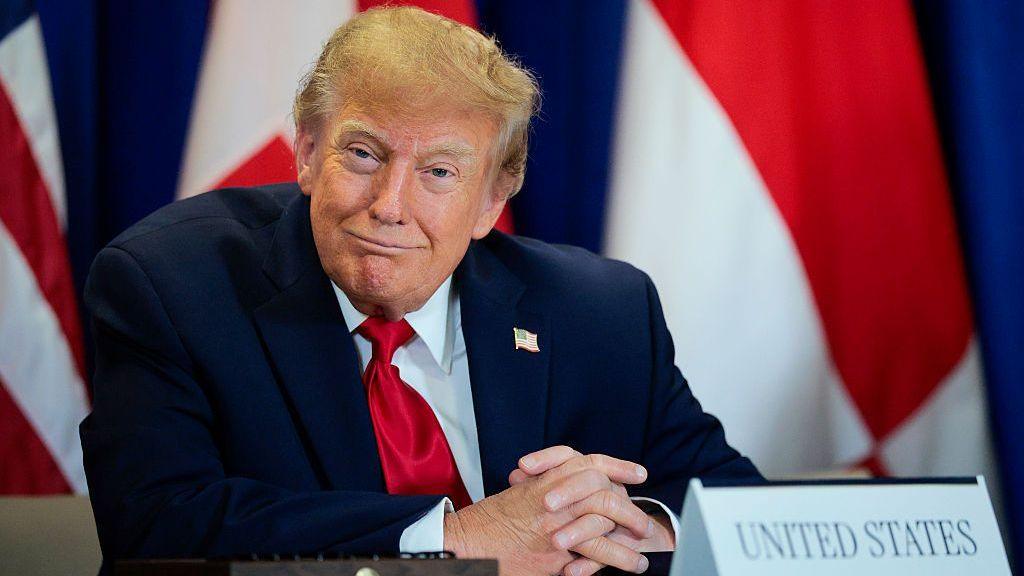
While initially denying climate change, he acknowledged extreme weather events, describing them as cyclical. Flávio’s public alignment with former US President Donald Trump has added an international dimension to his campaign narrative.
Corruption Scandal & Stakes
A high‑profile banker named Daniel Vorcaro was jailed for orchestrating a massive financial fraud. A leaked recording shows Flávio requesting significant funds for a biopic on his father, drifting the campaign into alleged money laundering charges.
The scandal intertwines with alleged connections between Vorcaro and Supreme Court Justice Alexandre de Moraes, who perceived Jair Bolsonaro’s trial. As scrutiny heightens, voters face the additional question of whether to align with the judiciary or the Bolsonaros.
Key Issues for Voters
Crime and security have historically dominated voter concerns, but recent corruption revelations have shifted focus to integrity and rule of law. With Brazil’s electoral law obligating most adults to vote, turnout will ultimately tip the scales.
The coming days carry decisive weight, as campaign statements, new allegations, and shifting public sentiment converge toward the 4 October ballot count.